Mumbai, 2015
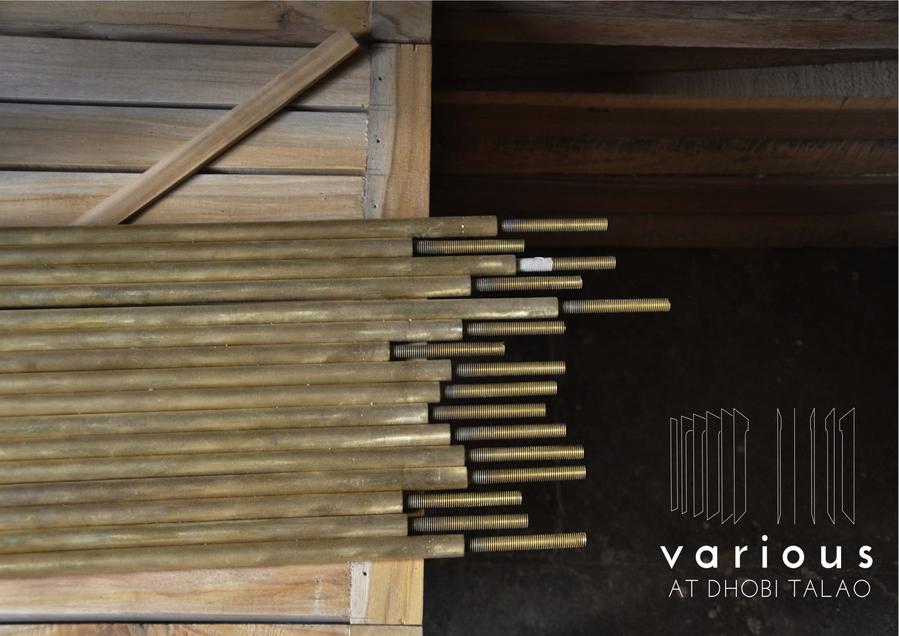
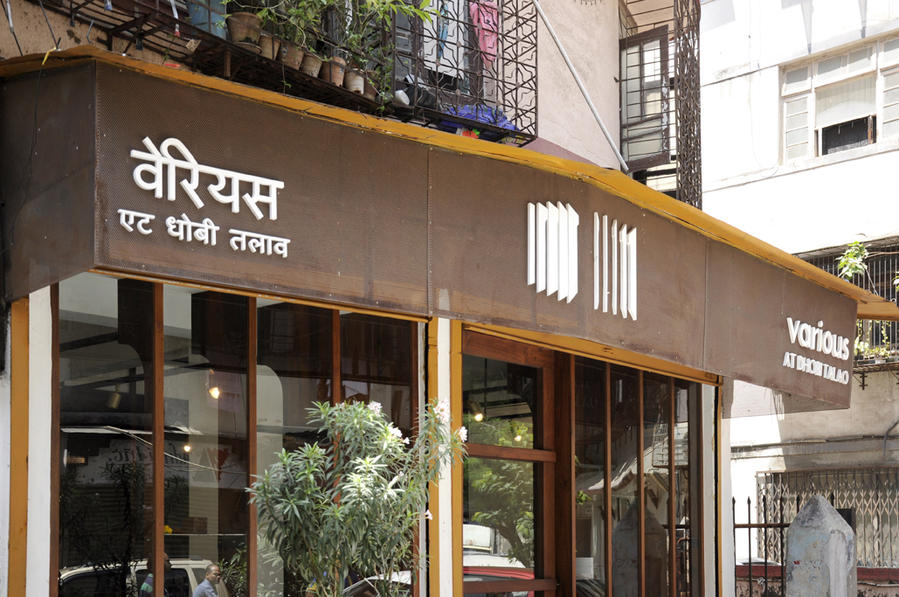
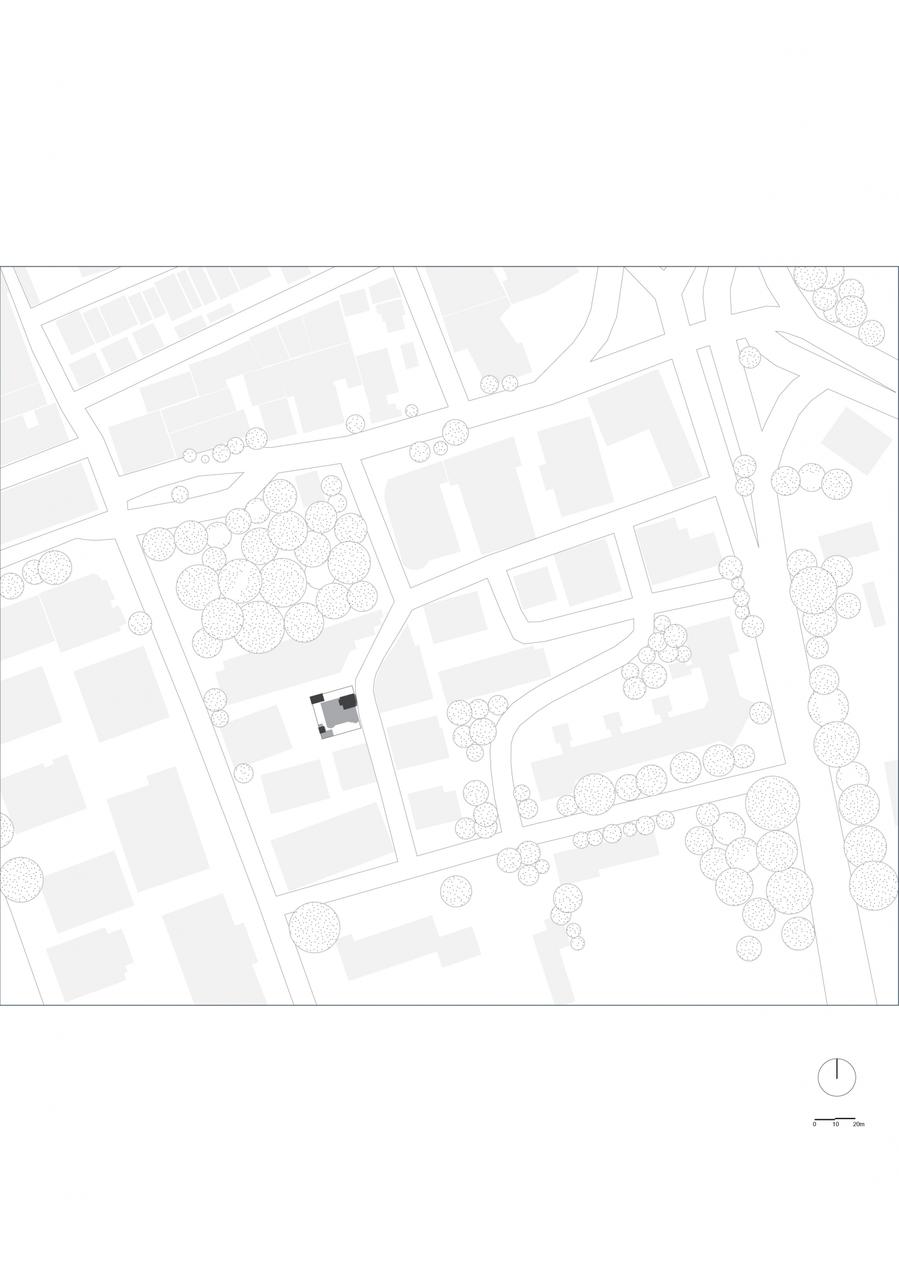
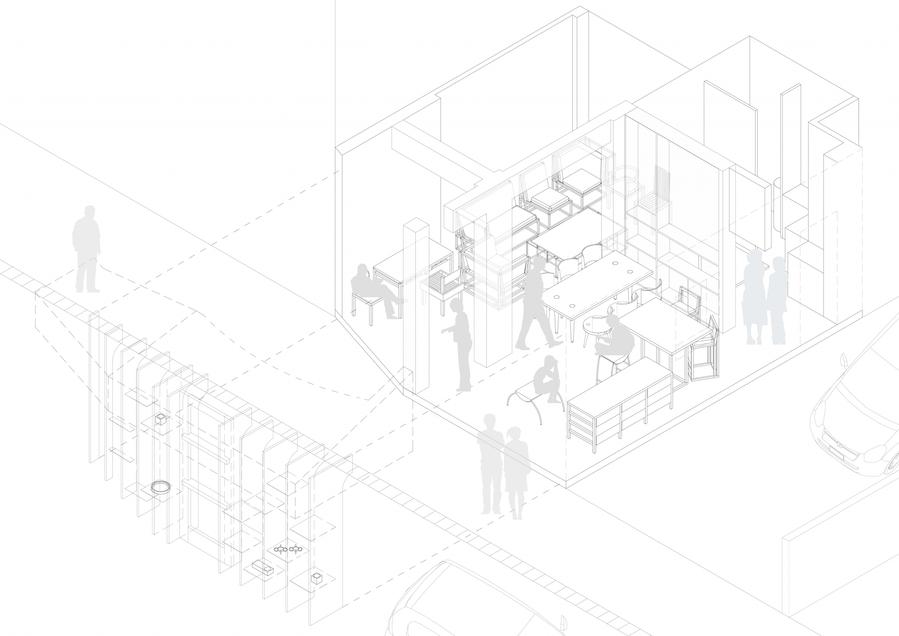
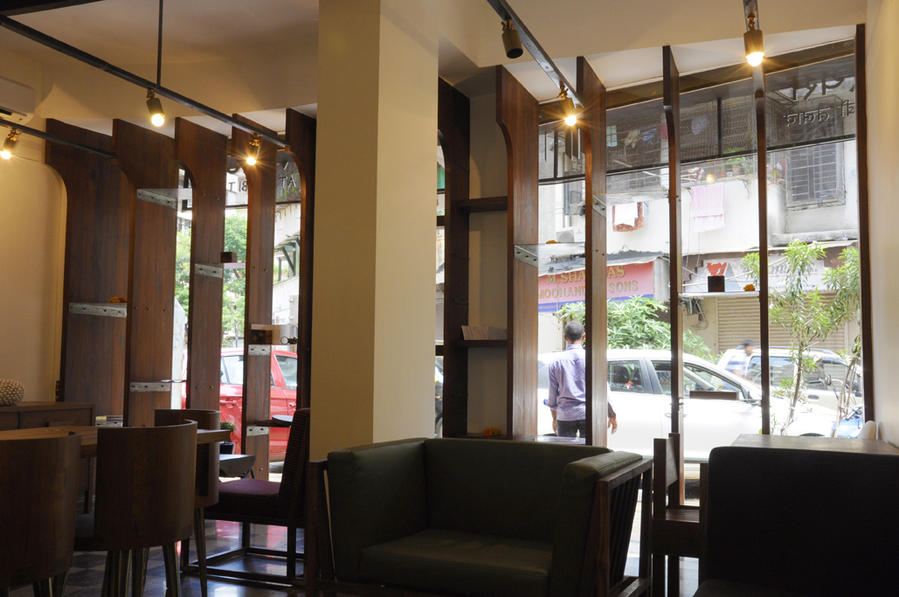
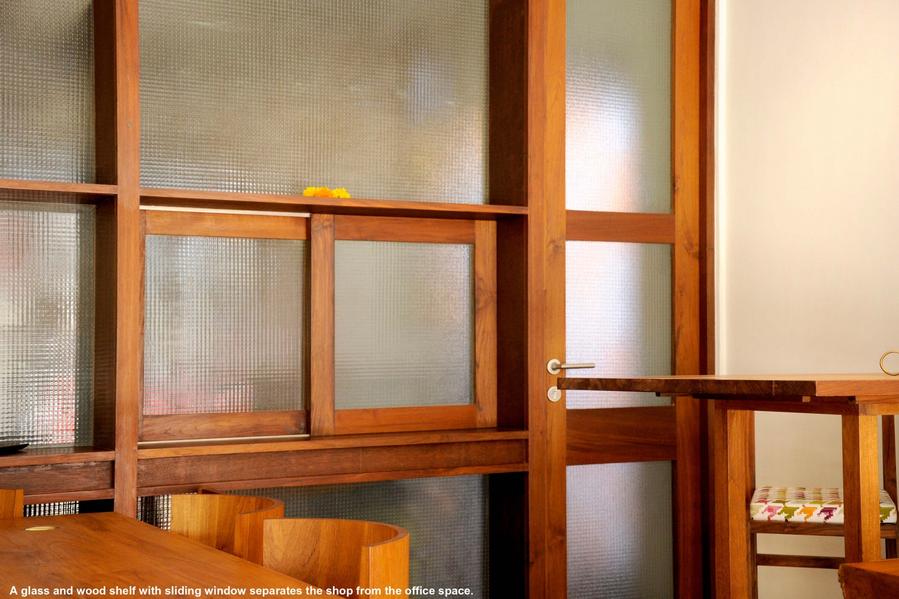
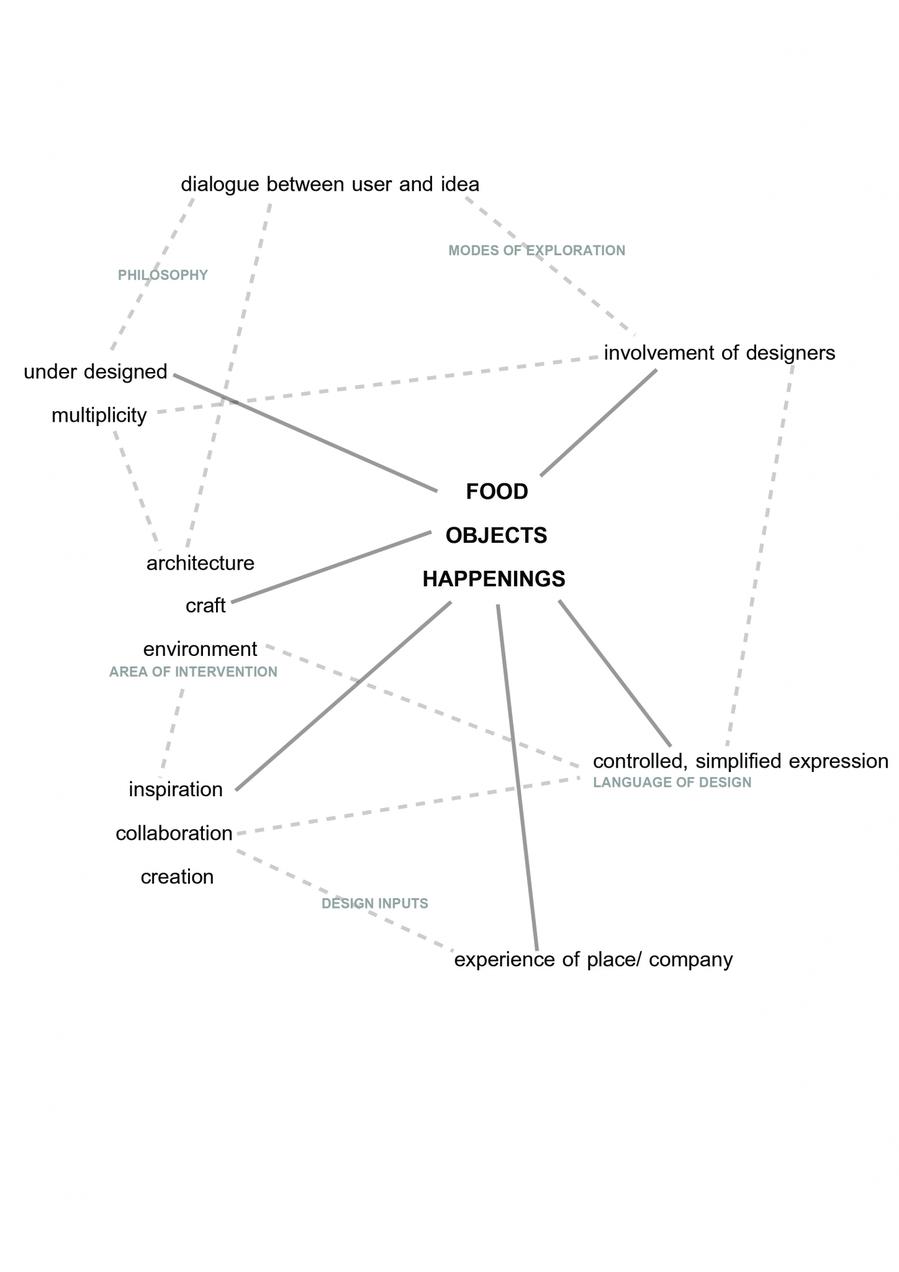
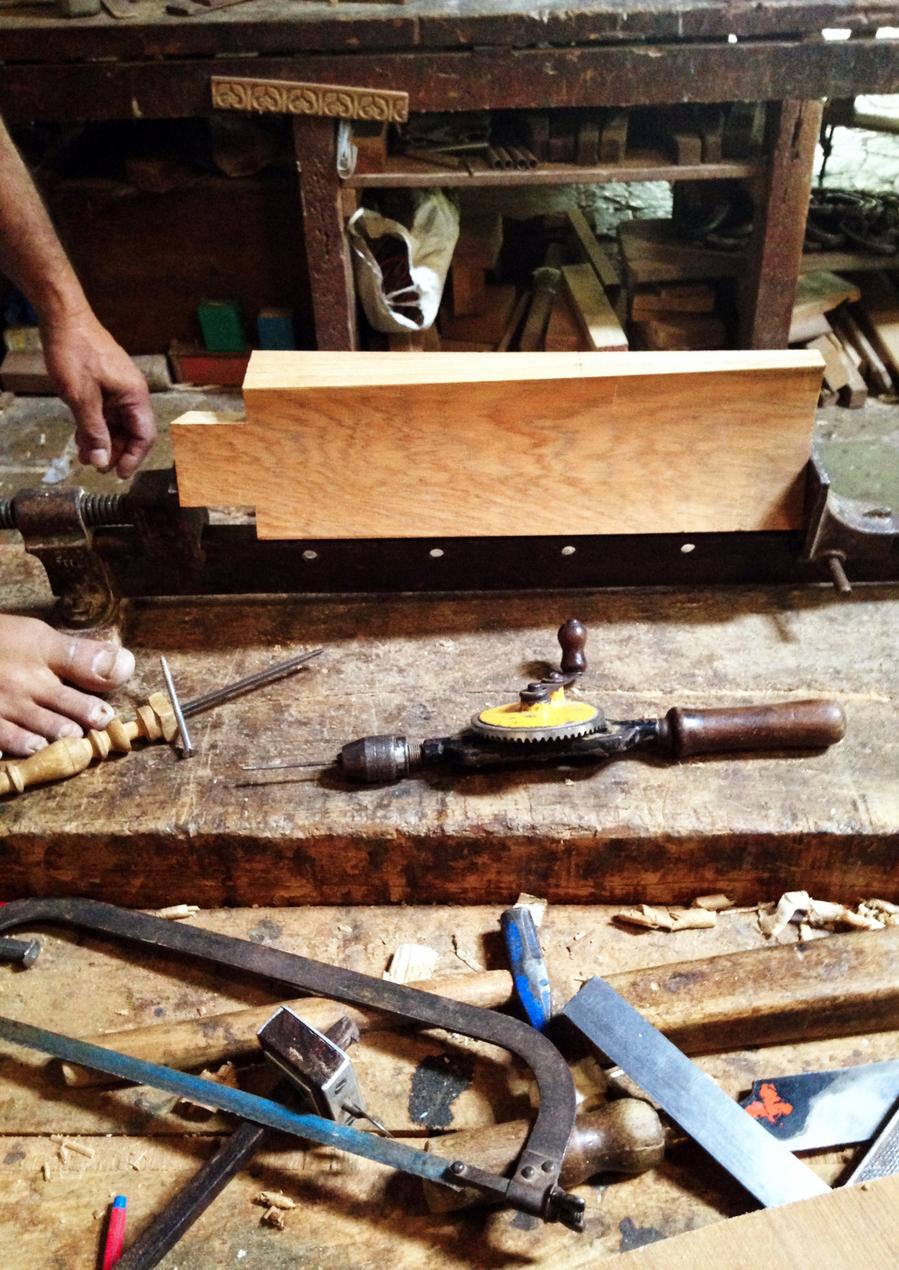
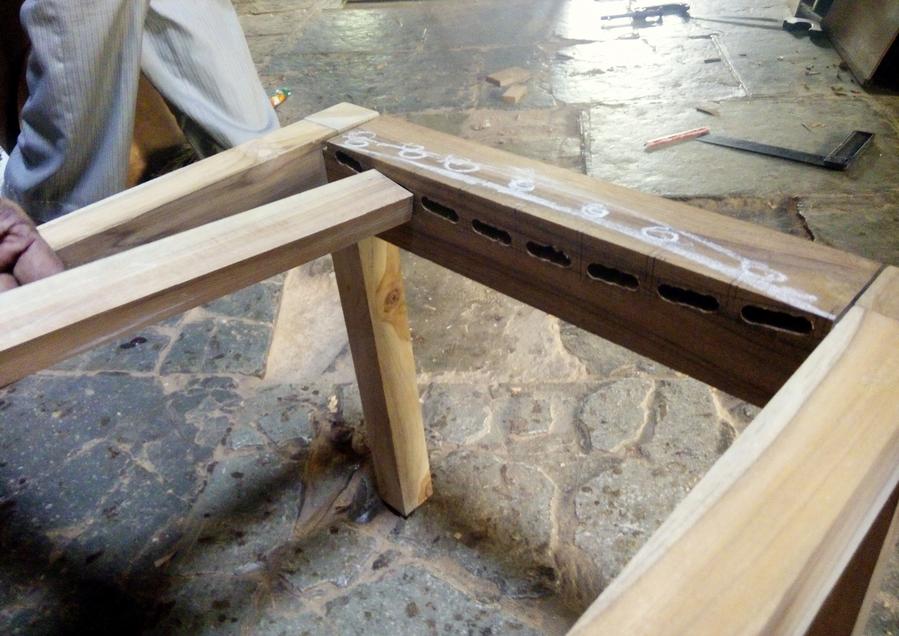
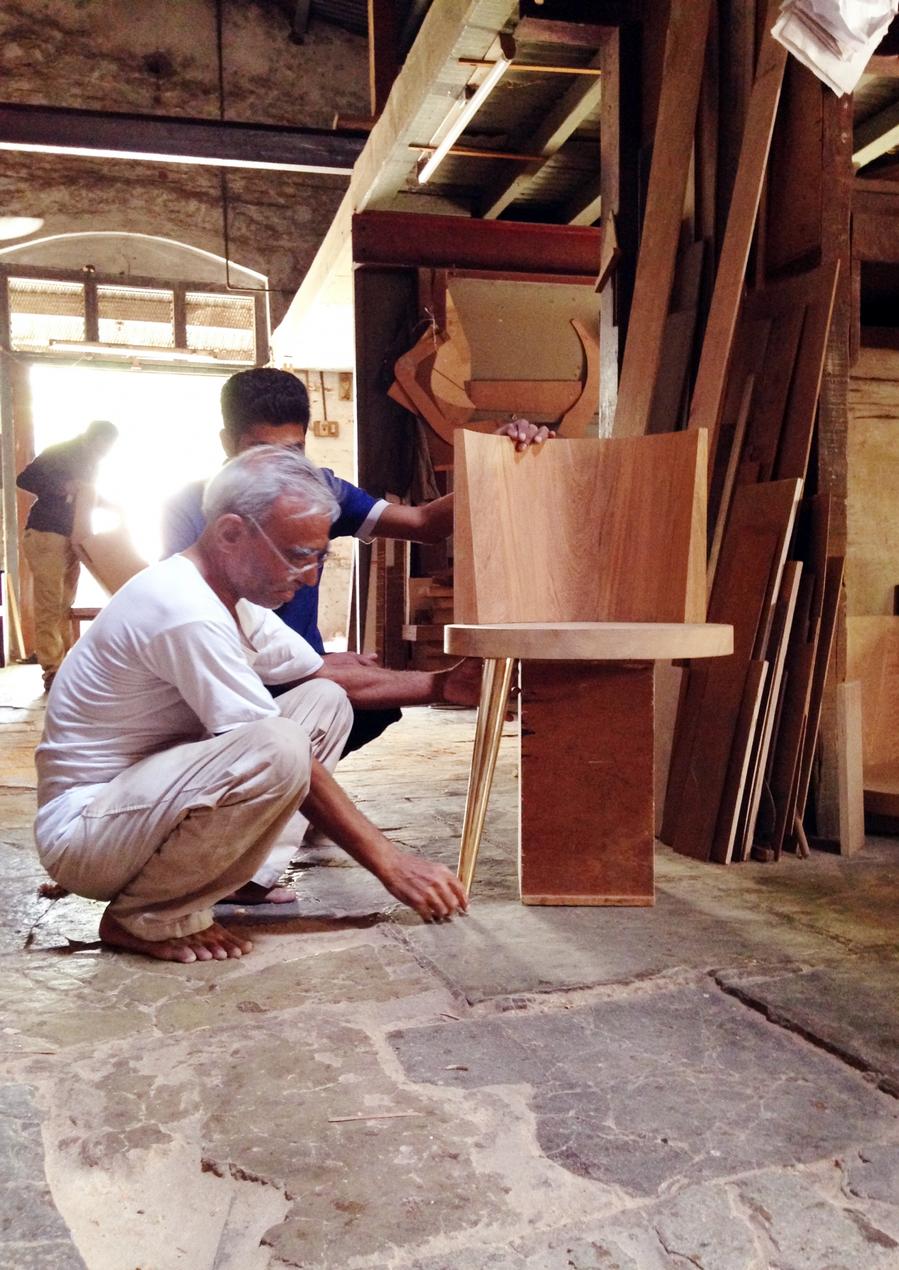
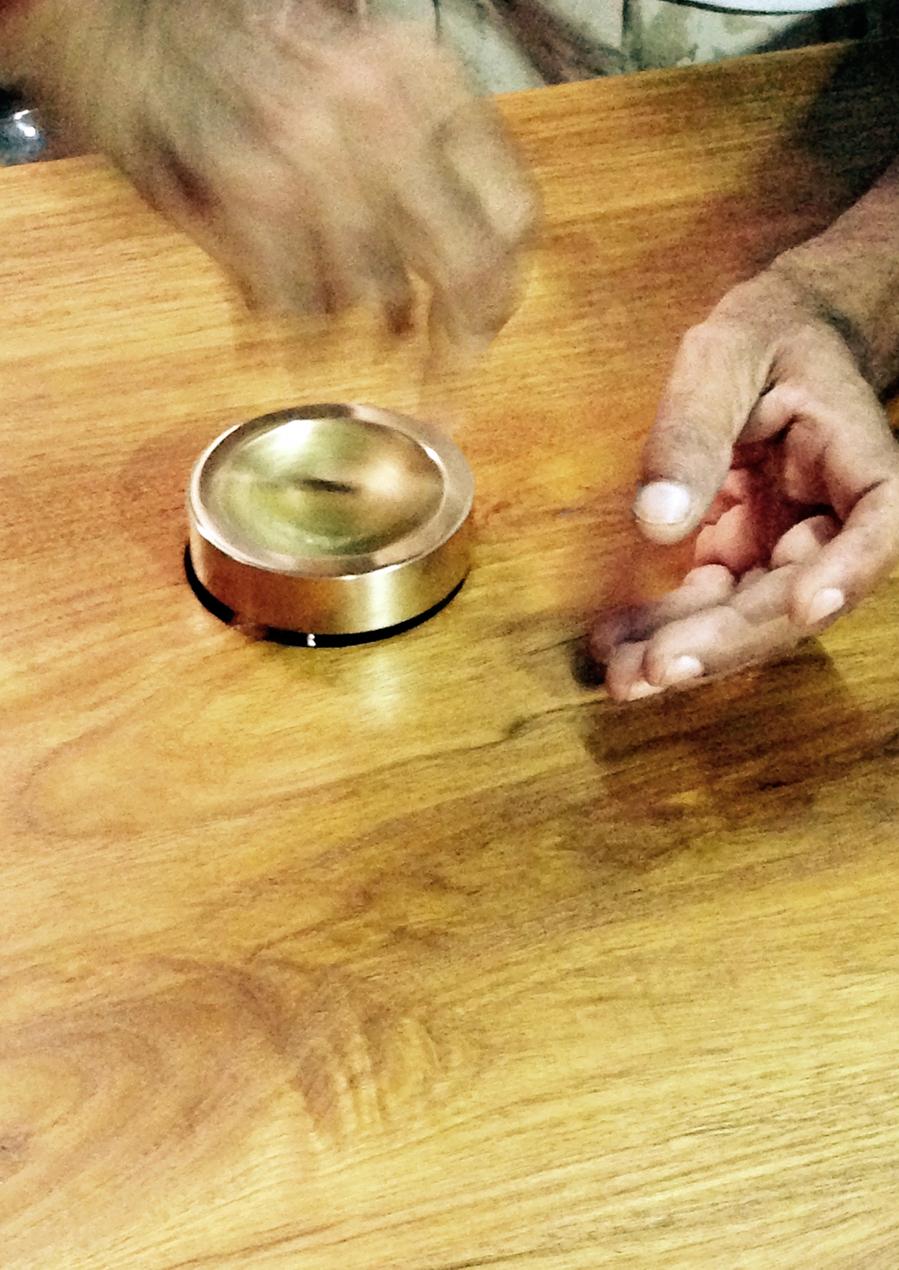
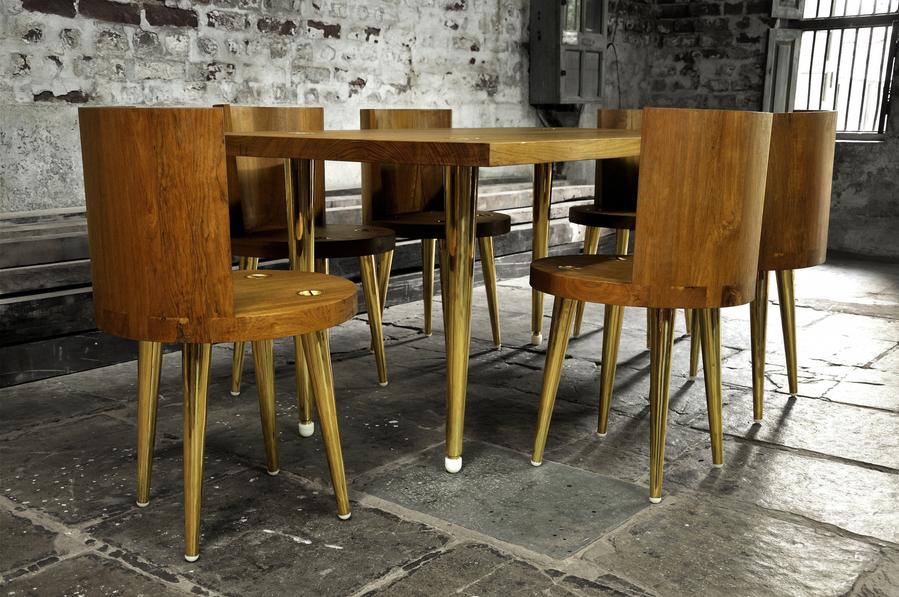
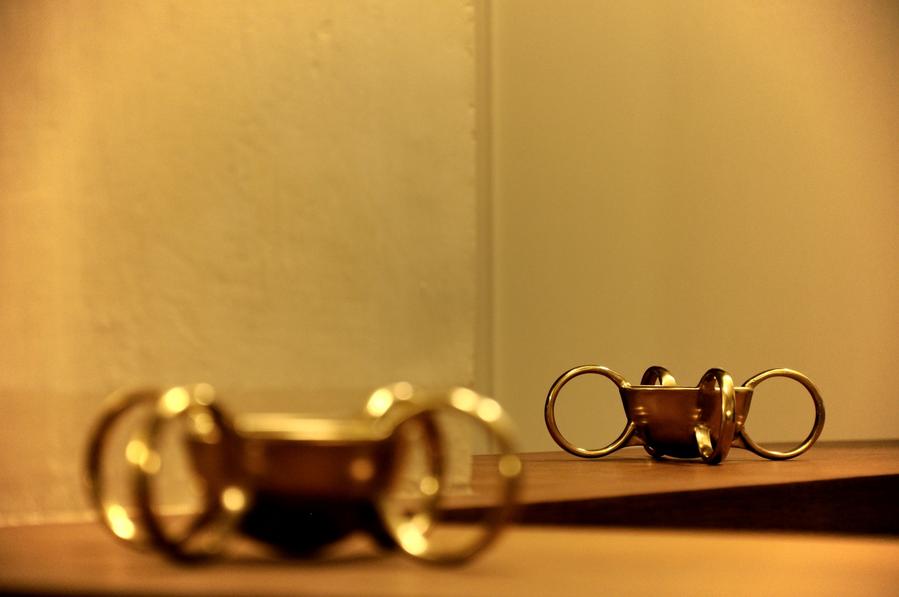
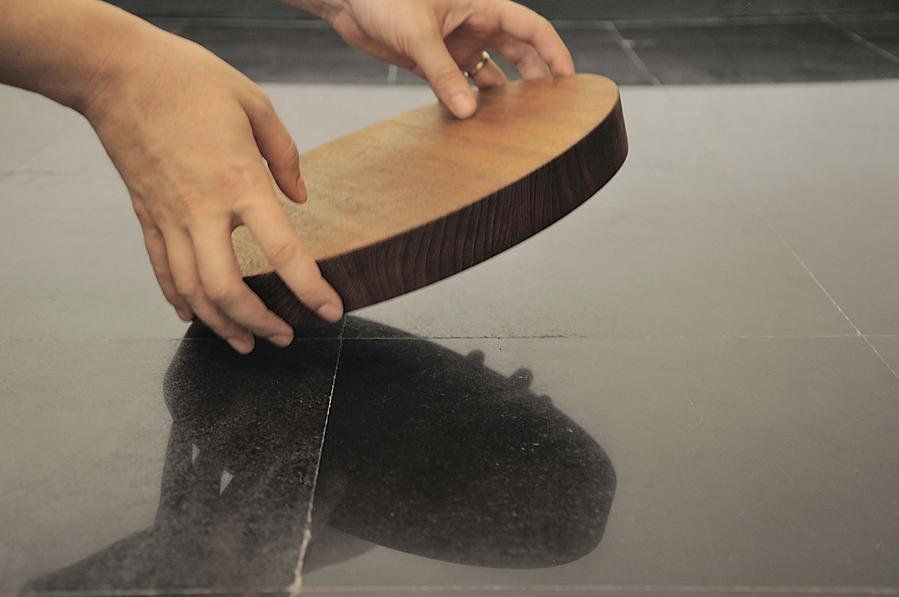
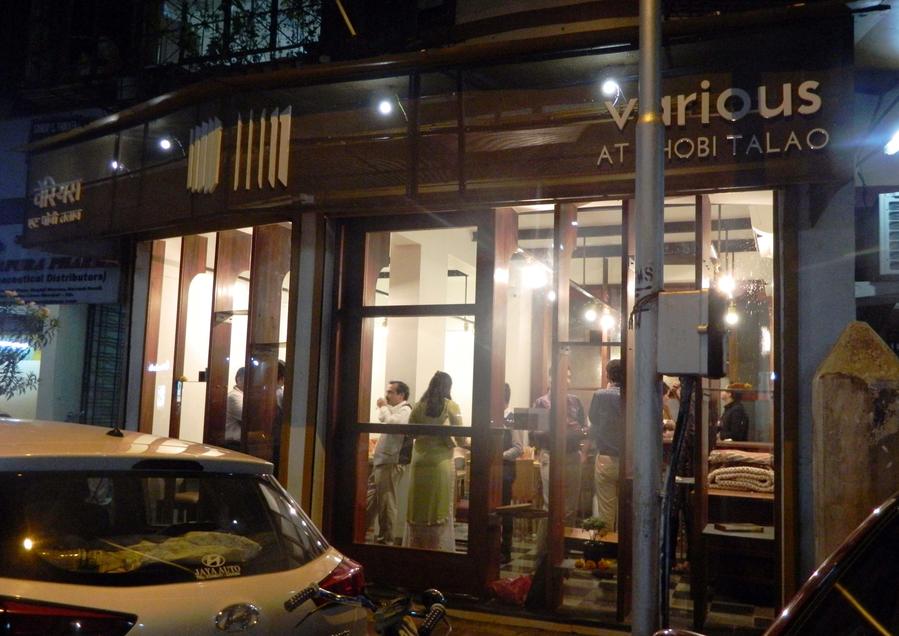
we designed the interior and a line of furniture for a new mumbai storefront, various at dhobi talao, which assembles a collection of carefully detailed works of furniture, objects, and sensitively fashioned foods & uses projects at the intersection of art and architectural practice to generate a dialogue about design process and modes of making.
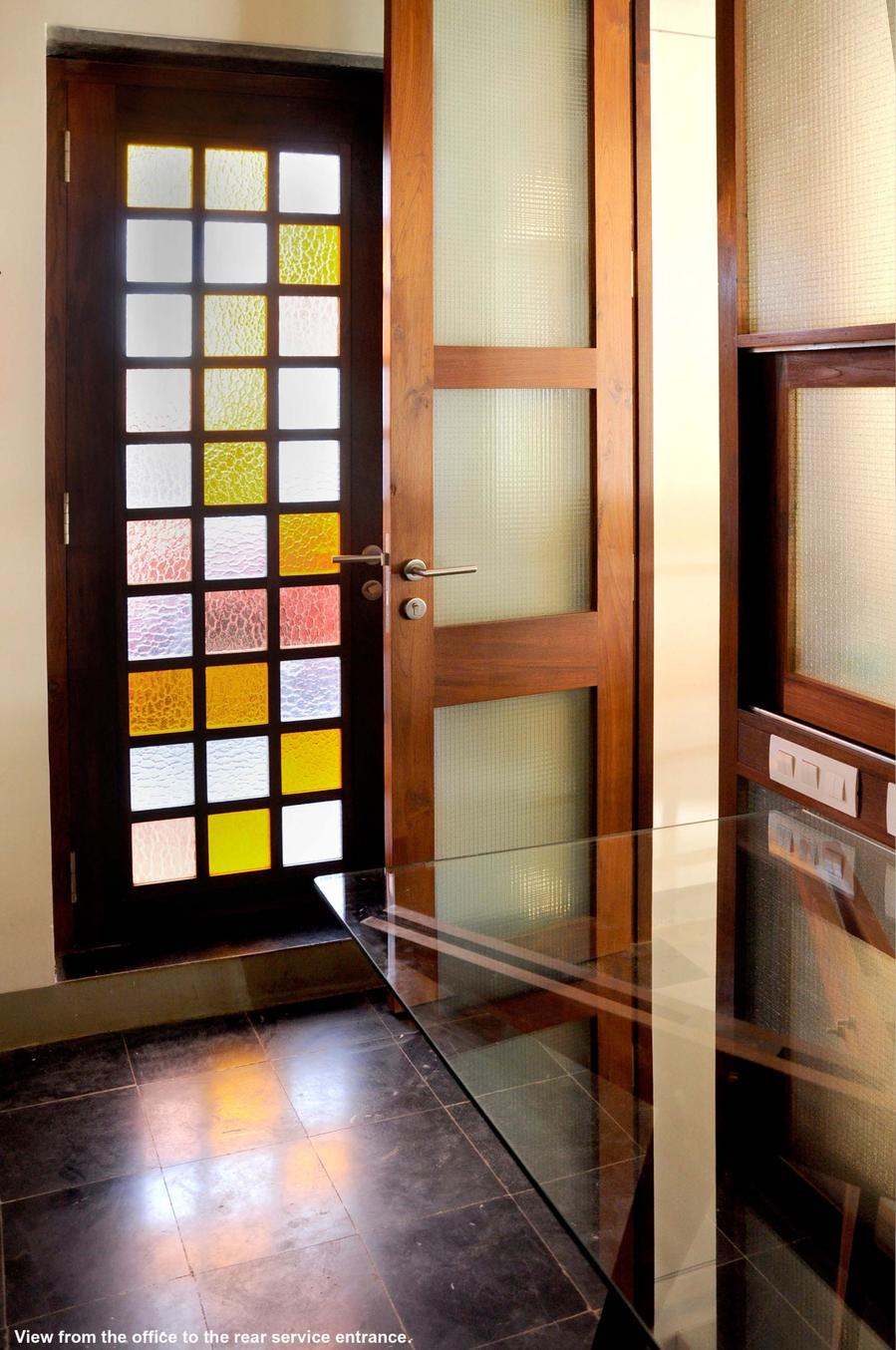
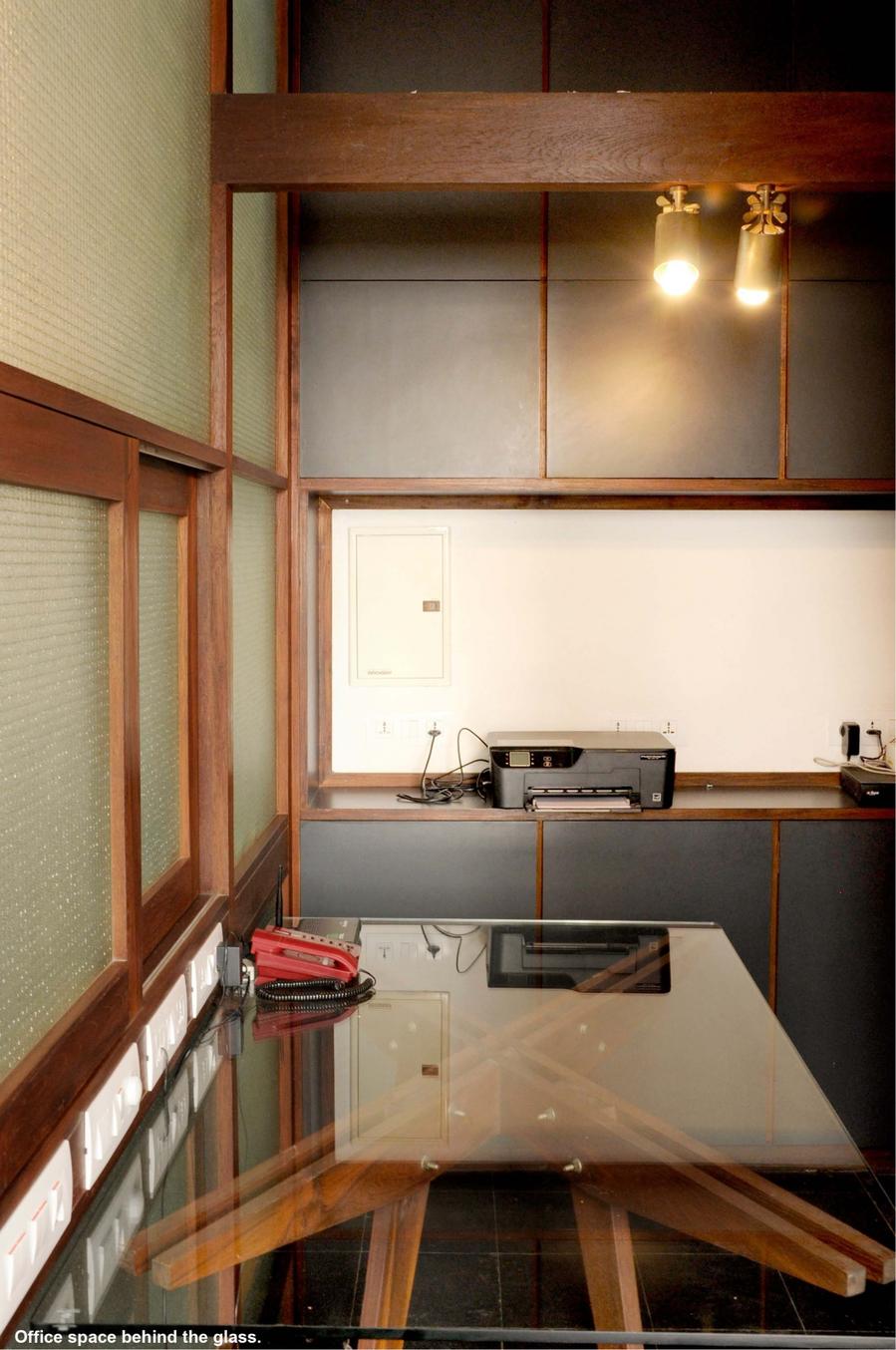
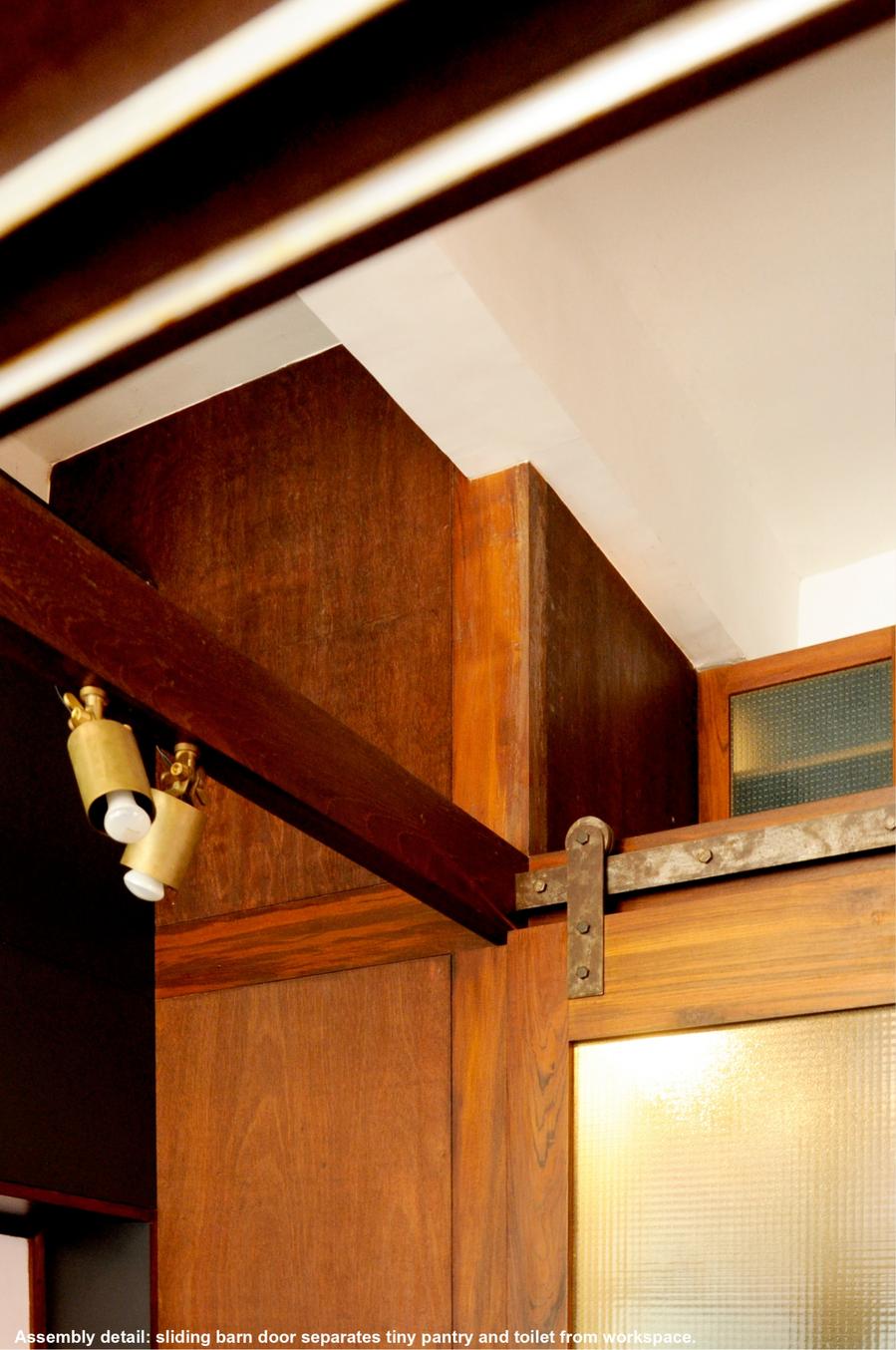
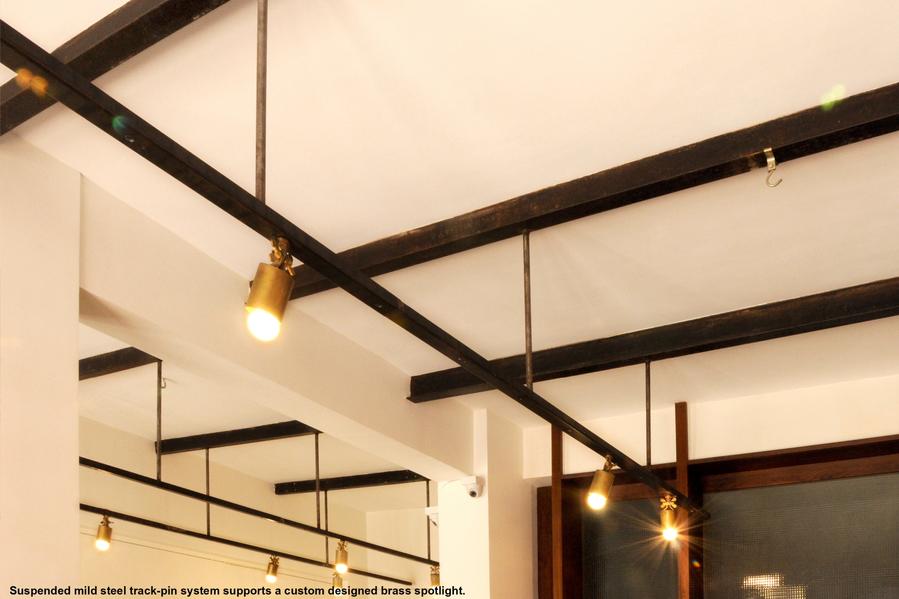
With the craft of furniture and food in mind for the store, the adaptive reuse of an old 1940s built bar touches the space lightly, polishing the existing kadappah-kota marquee floor and reglazing an art deco window grill, hanging a mild steel track-pin system for custom shaped brass spotlight fittings from retrofitted steel slab supports, and using a series of teakwood fins to mediate the transition from the exterior façade to the interior space, inserting shelves into the thickness of the void. The inserts are simple, crafted to support the existing space, and to redefine it for possibility while upholding its history.
Ahmedabad, Gujarat | 2025
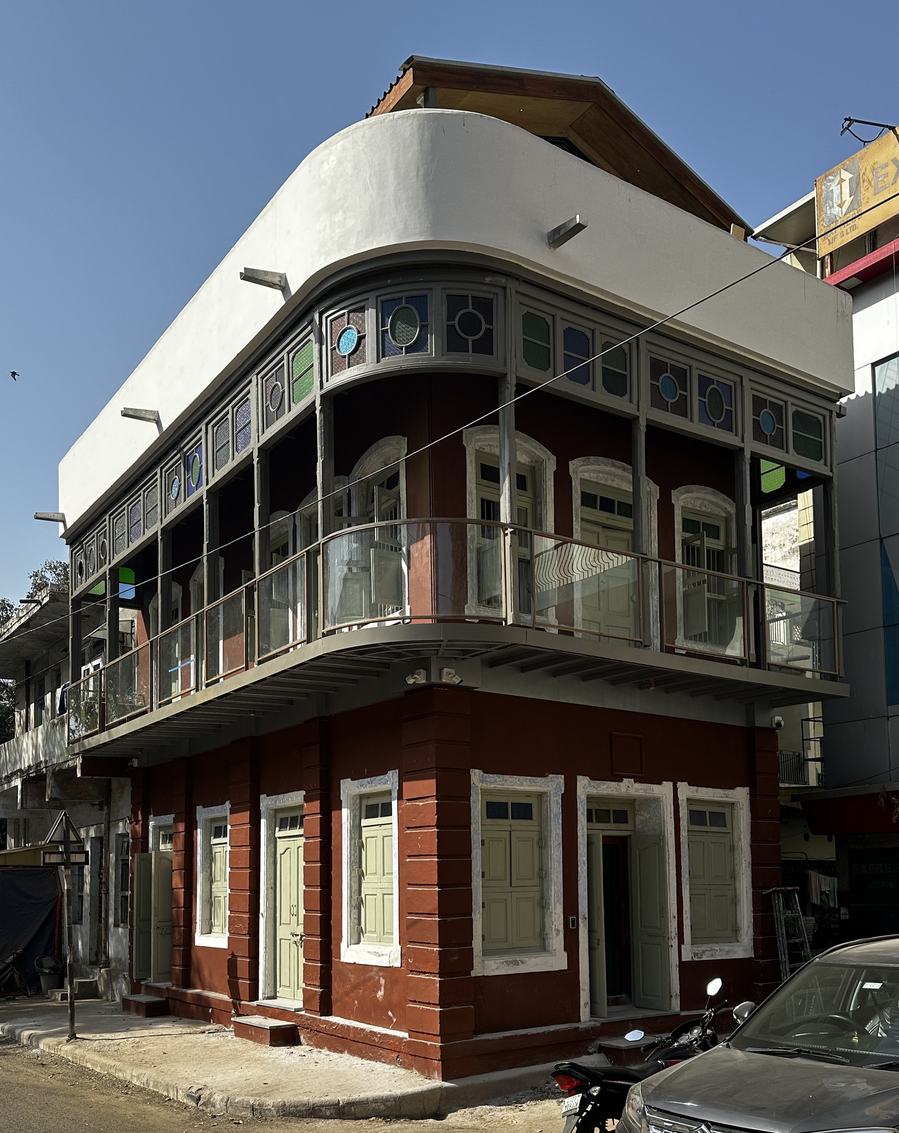
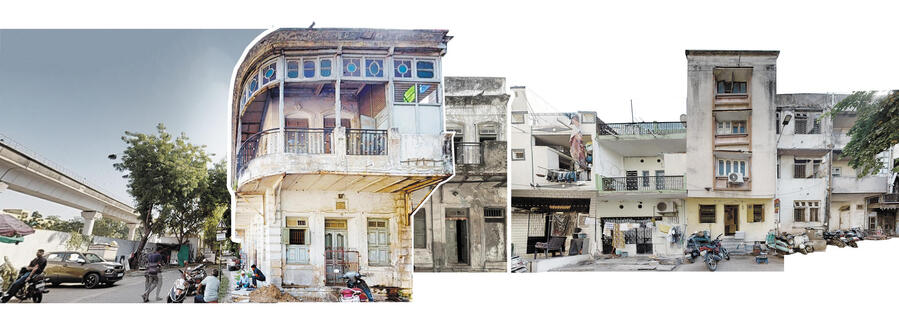
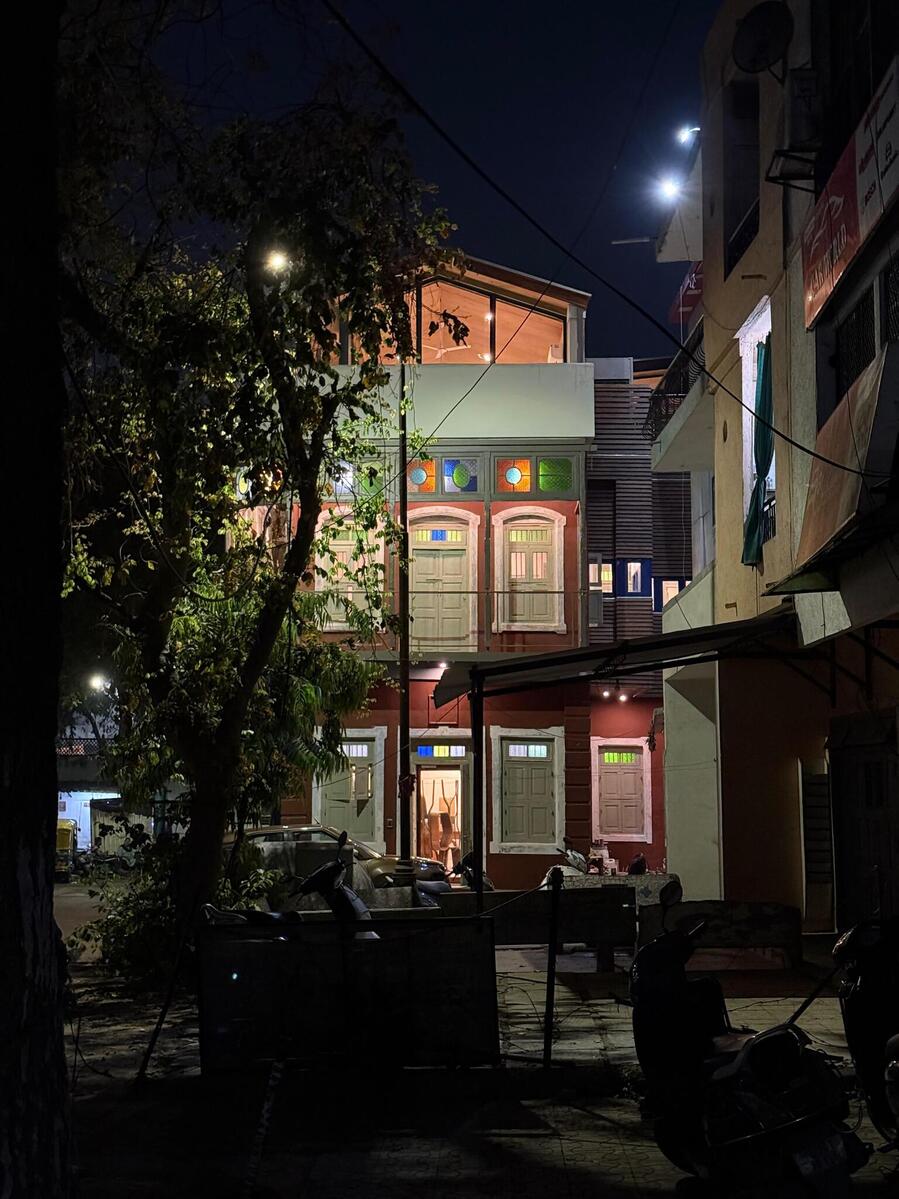
The new BandukSmith Studio is housed in a 94-year old structure in the urban village Mithakhali Gam at the center of the city of Ahmedabad.
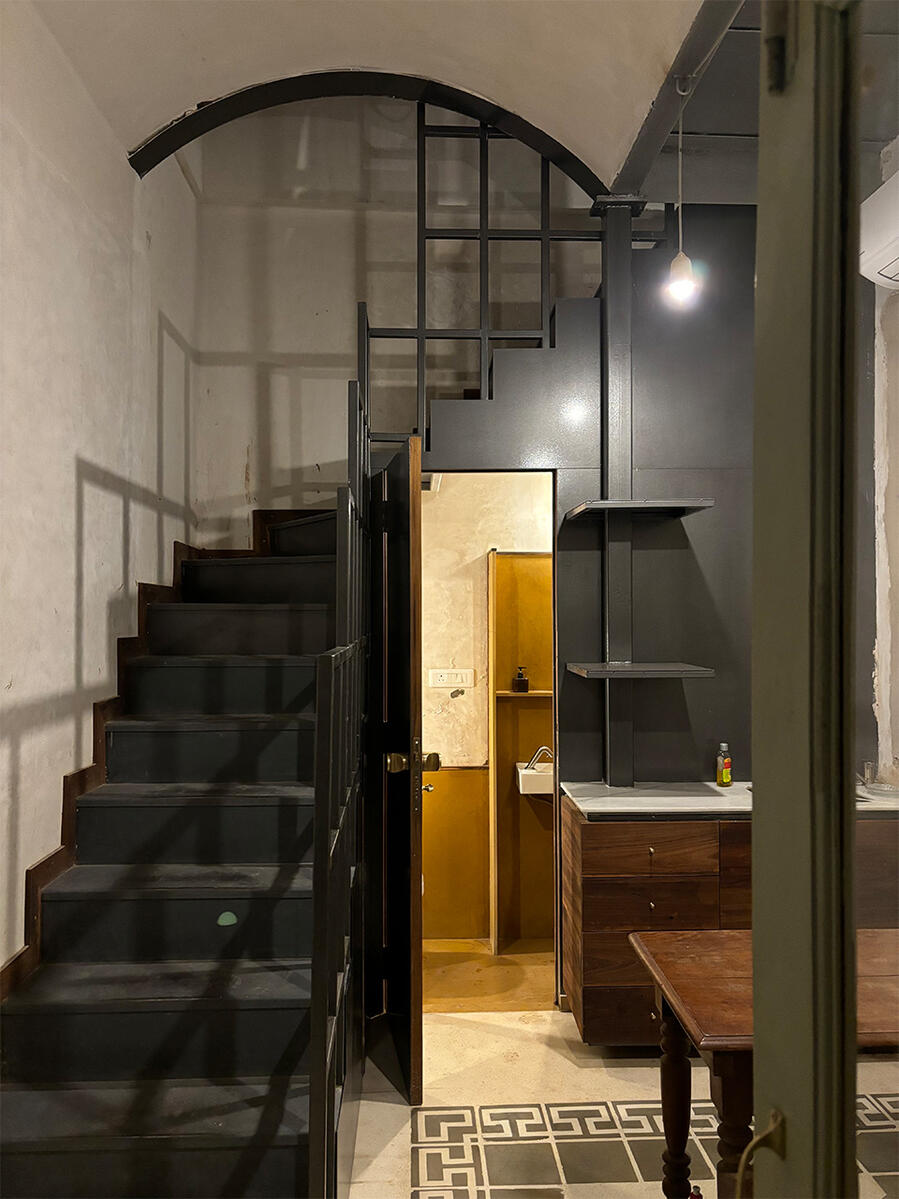
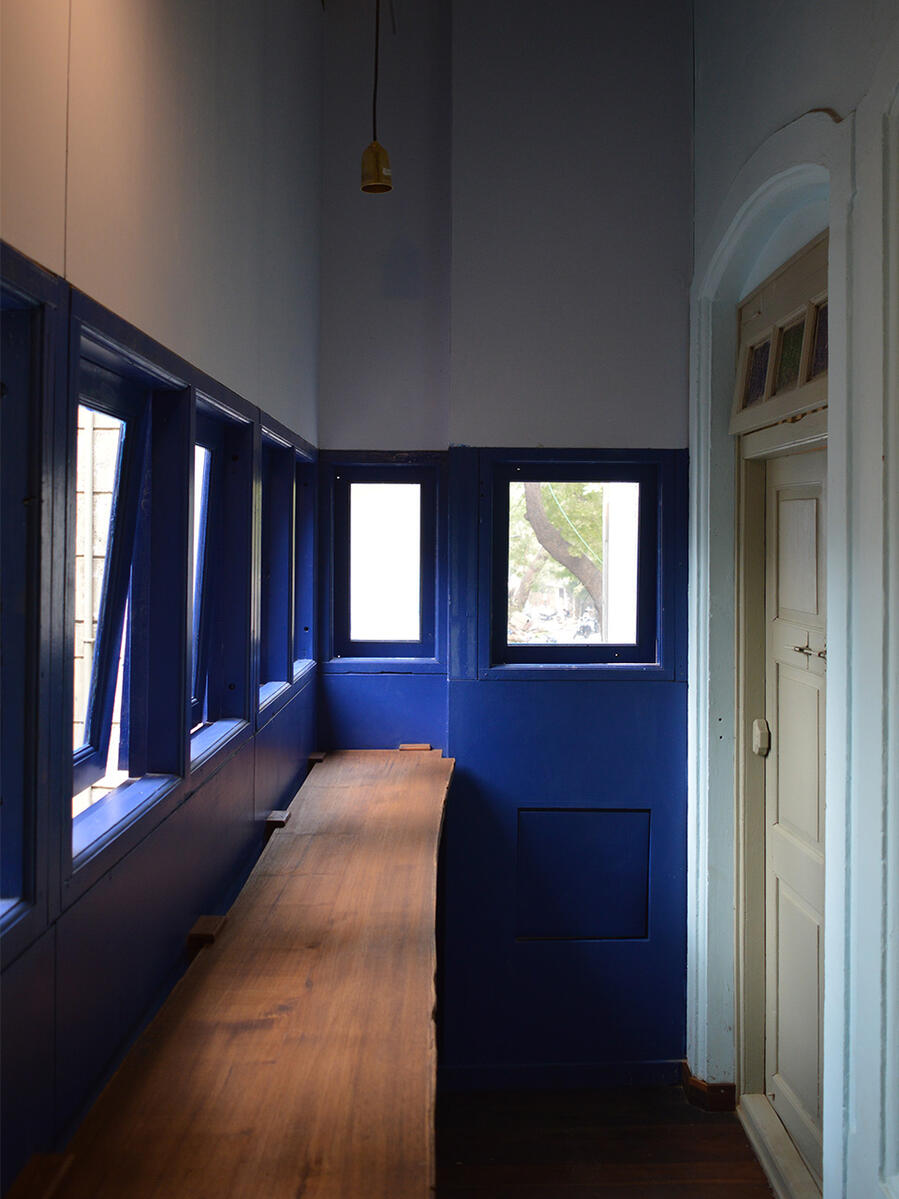
The renovation repairs the original art deco building, and inserts new, clean elements to redefine a new studio space within the old shell.
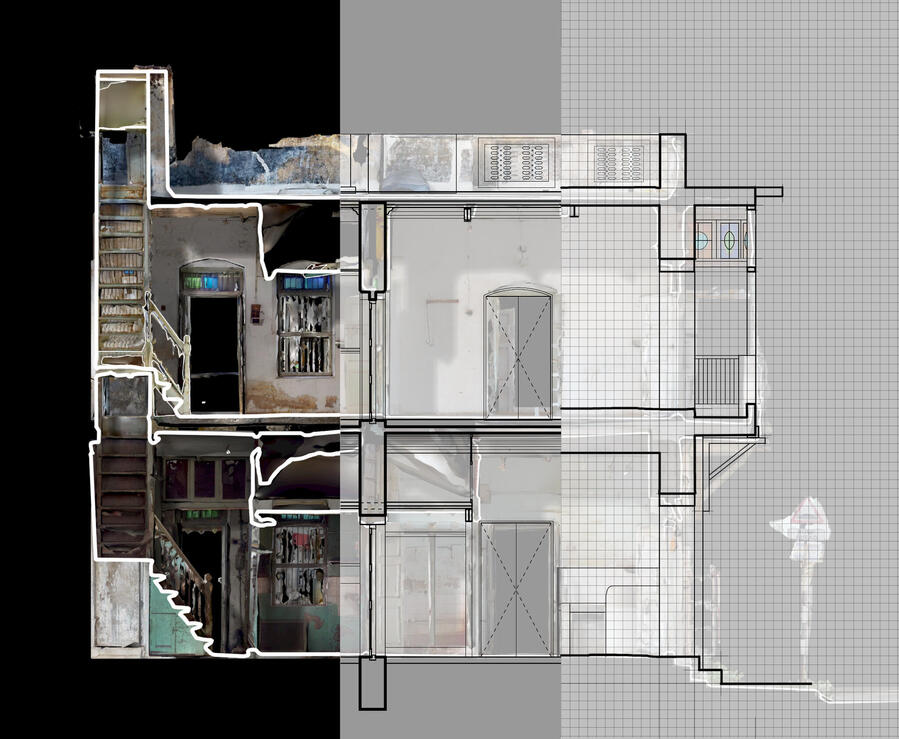
A photogrammetric scan recorded every existing detail of the space, with its visual data processed into a point cloud model that served as the first step to strategic, sensitive repair. The design favours experimentation over clarity, and aims to create a contemporary workspace that builds on and extends the historic frame, reusing every last bit of the original building, while exploiting opportunities for innovation.
Photography credits: Melissa Smith, Nishit Patel, Radhika Choksi, Swaraj Dhuri, Unnati Gandhi
Design Team: Melissa Smith, Sachin Bandukwala, Jhanvi Oza, Nishit Patel, Maitri Lad, Ruzeb Mohammed
Structural Consultancy: Ami Engineers
Contractor: ID Projects Pvt Ltd
Carpentry: Gopal Suthar
Fabrication: Mahadev Craft
Ahmedabad, Gujarat | 2021
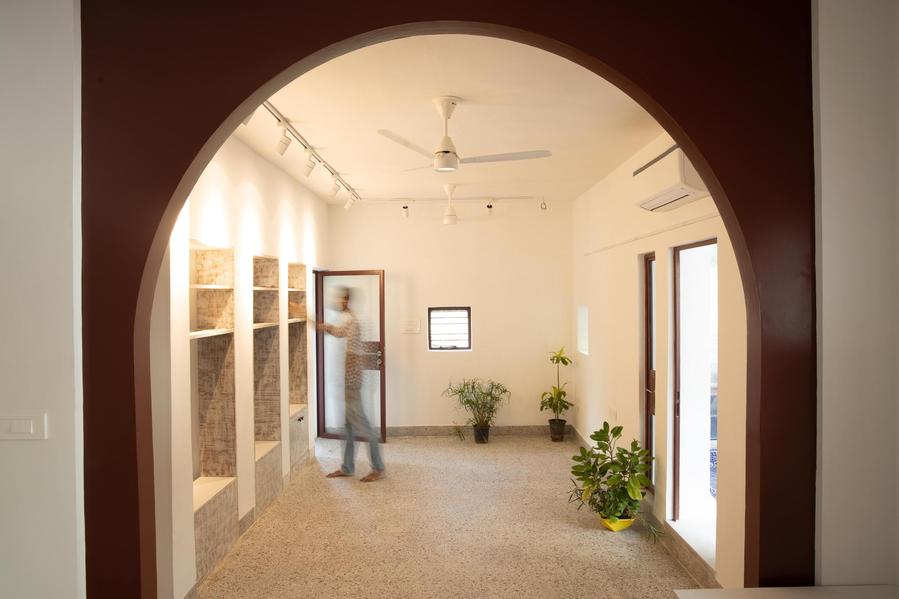
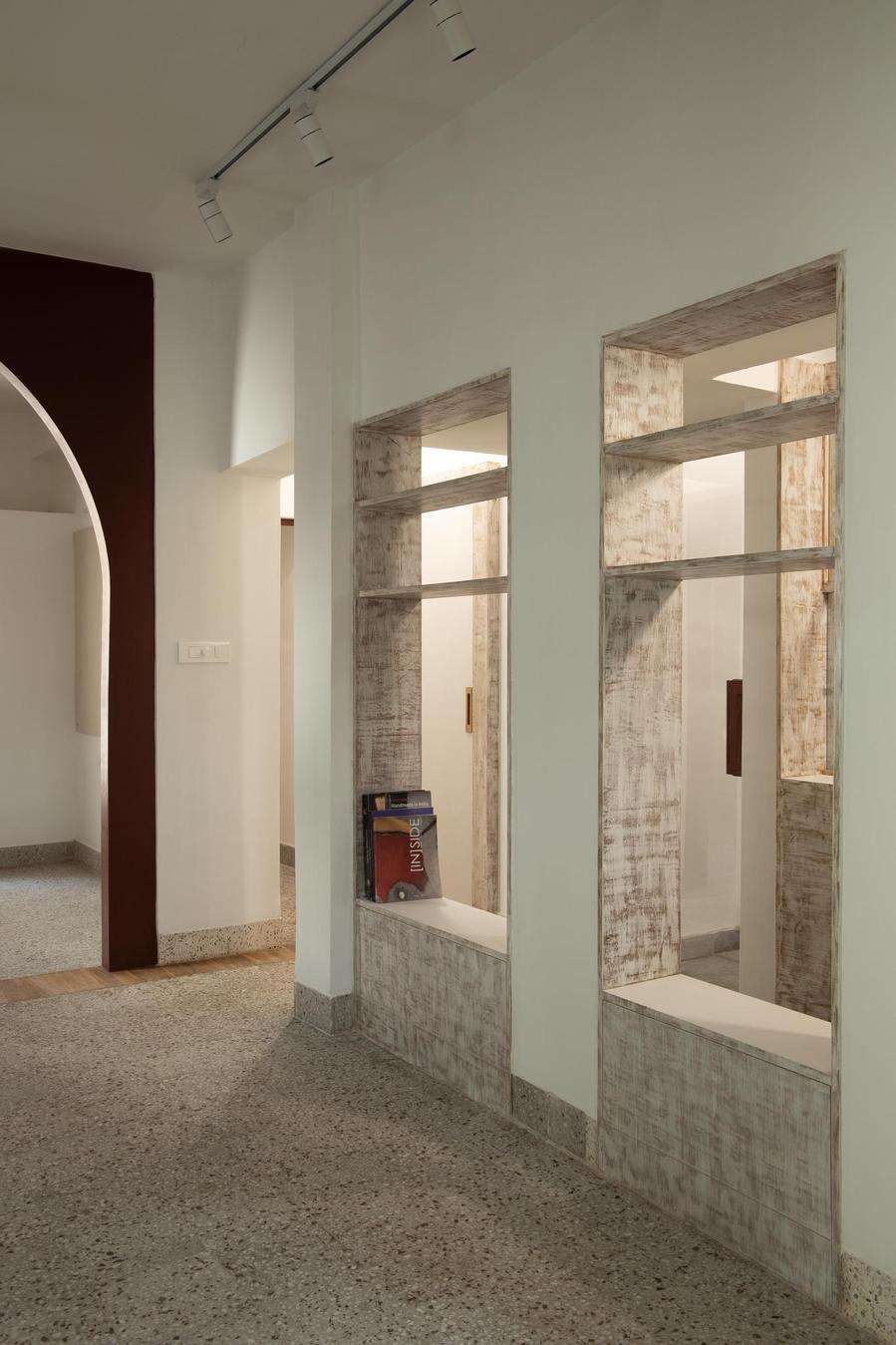
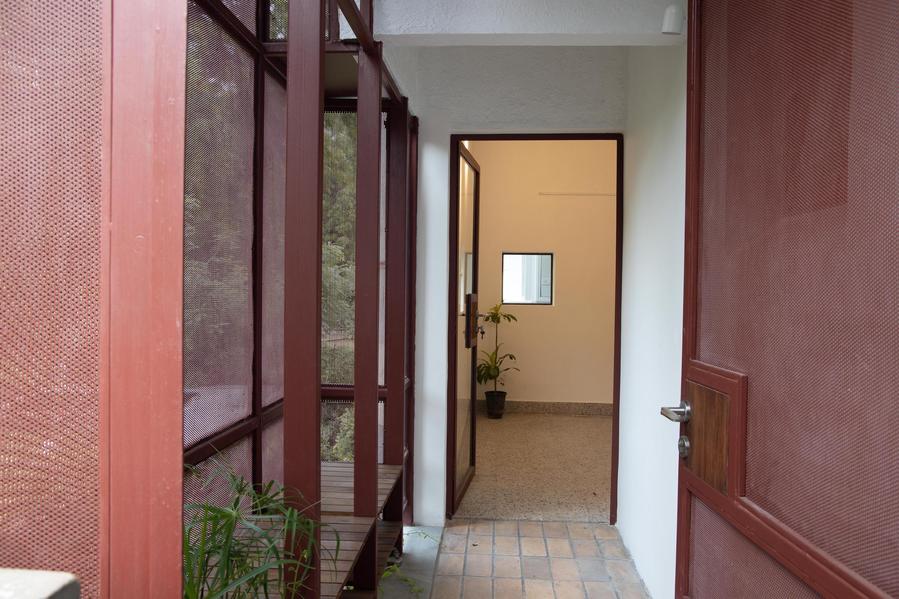
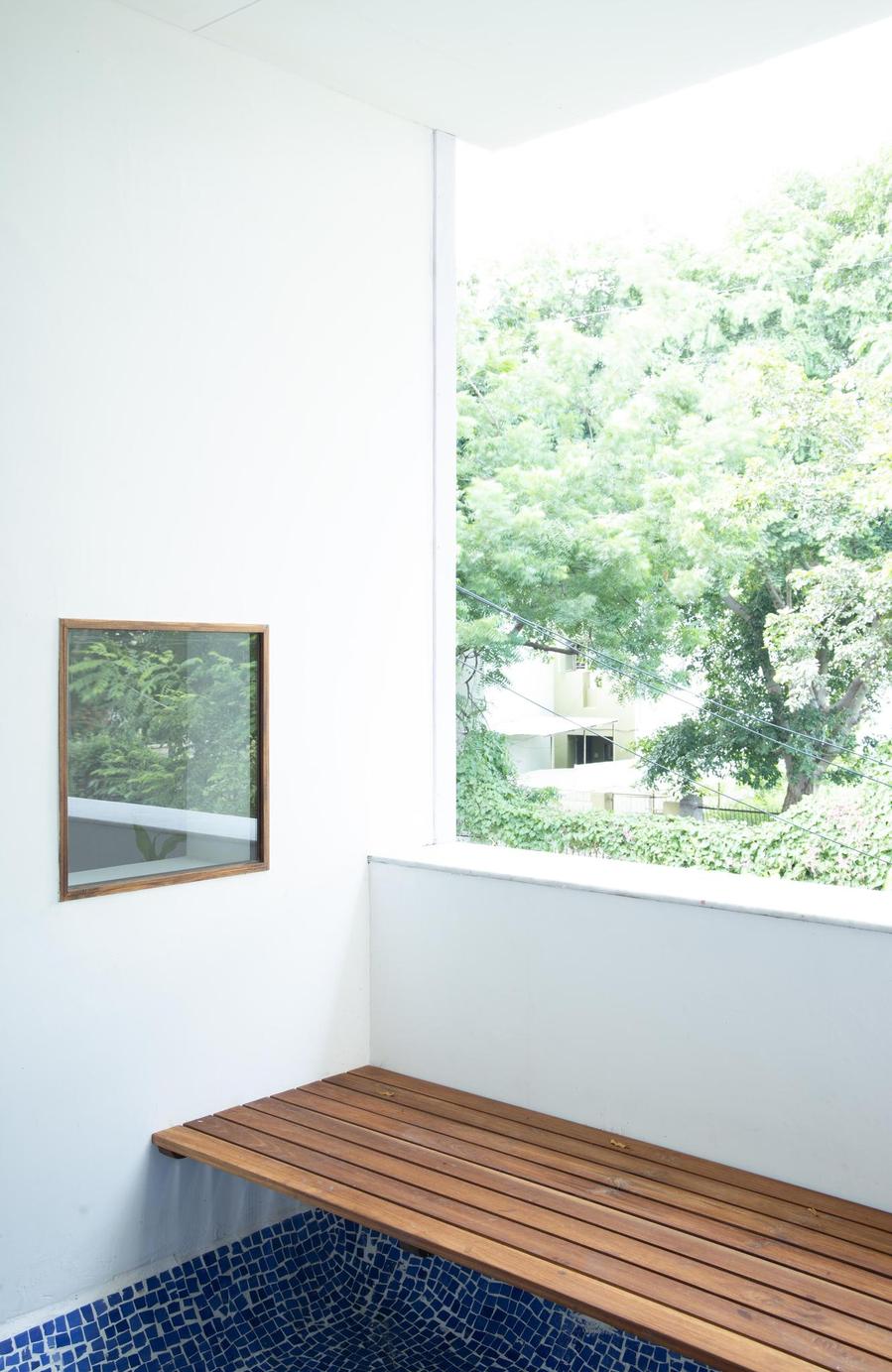
We designed an urban designer’s condo in Doshi’s iconic Bimanagar Housing, Ahmedabad. The spaces within the studio are interpreted as an act of walking through the city, and the various experiences that it entails. People, Wall, Threshold, Object, Alcove, Pause- form the elements of an urban space. The act of gathering, multi purpose, undefined spaces which can adapt to various functions, people and time. Nooks are formed as a result of these spaces and they provide a sense of intimacy.
The intervention appears as a palimpsest of the older house rather than a completely altered environment, thereby keeping its layers open for interpretation and inspection.
Ahmedabad, Gujarat | 2021
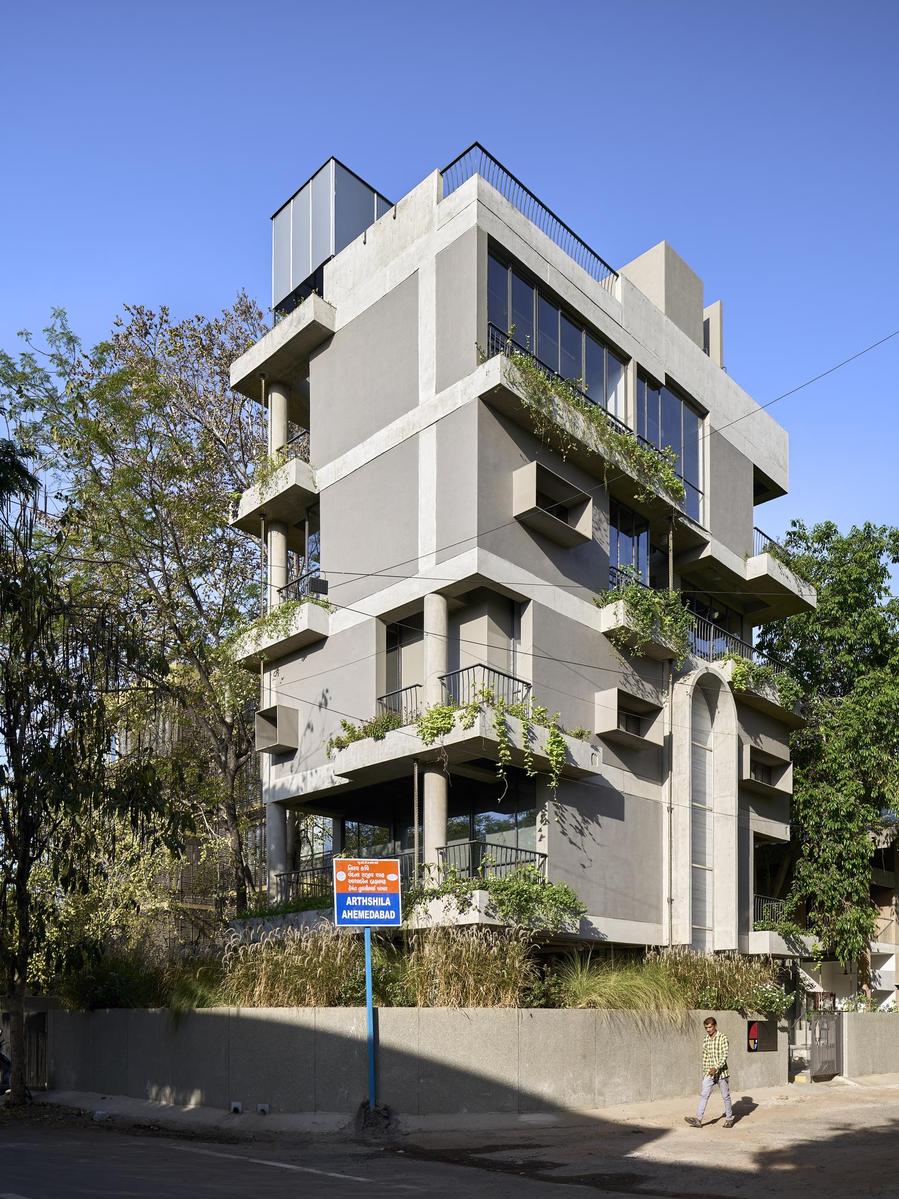
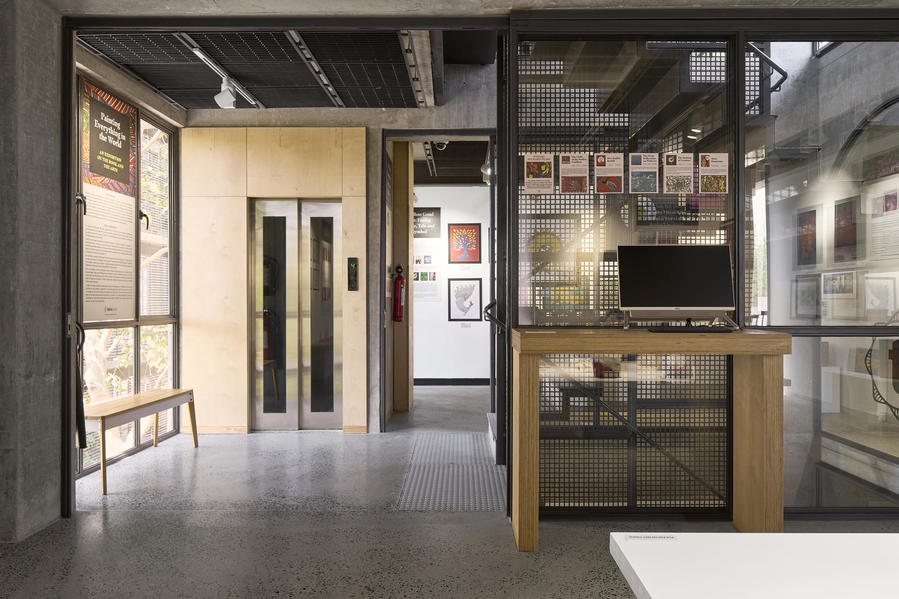
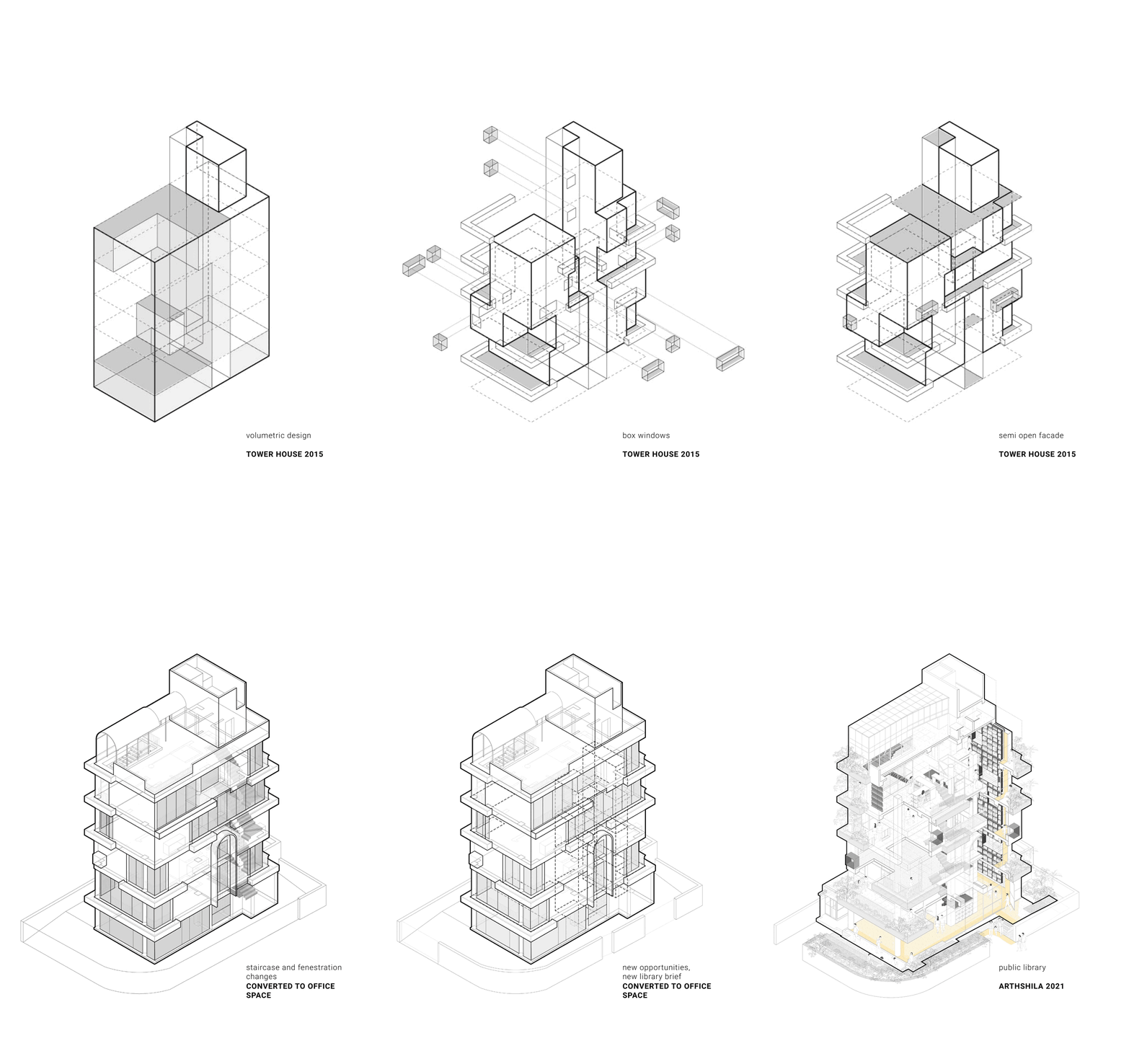
This project celebrates the unintended outcomes that arise when a building lives beyond its program.
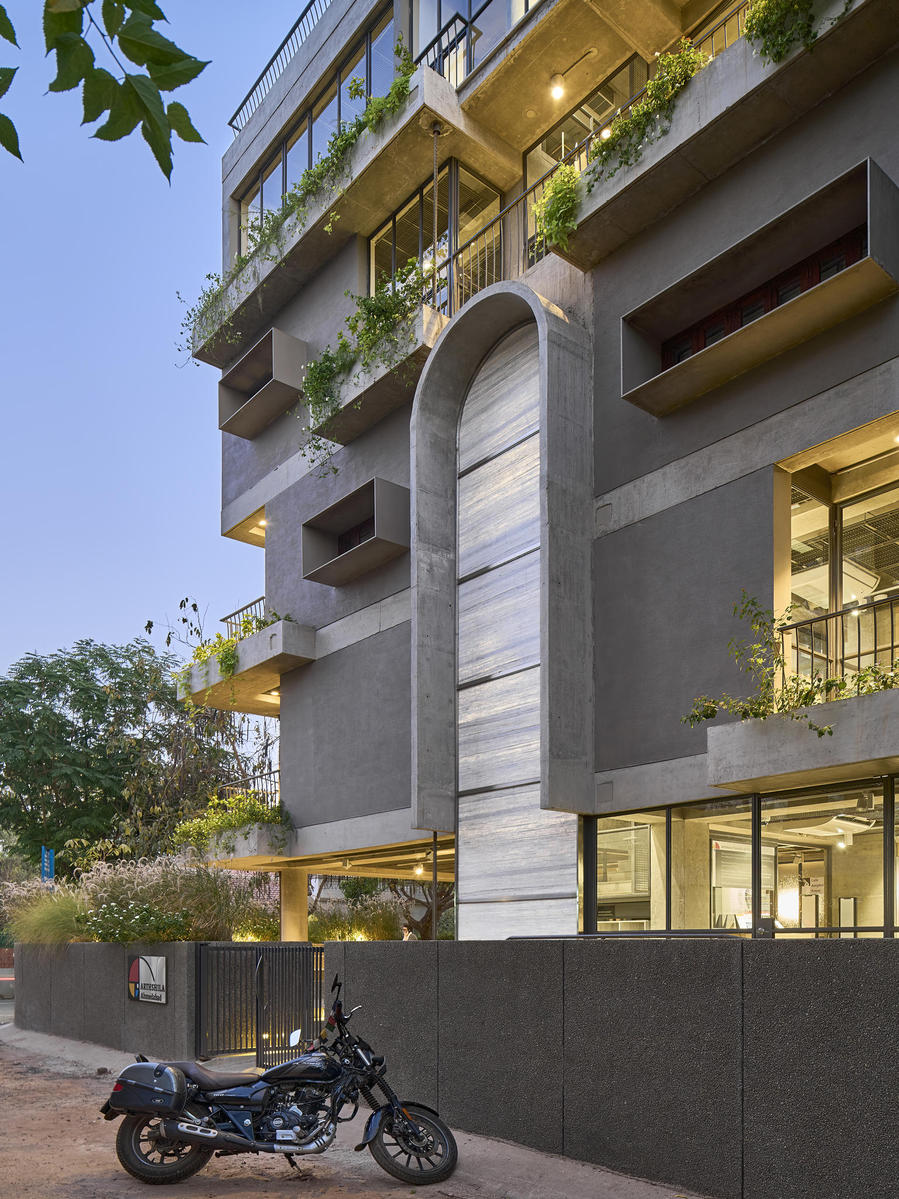
In 2014, the Tower House was an experiment in vertical living. A small plot in an area whose building height limits had recently risen, this five story bungalow leveraged the newfound air space, taking advantage of the benefits of moving vertically with efficiently organized services, views across the city, and potentials for both stack and cross ventilation. On a tiny floor plate, the design generated the experience of a house, with a diversity of spatial types throughout its section. A concrete frame provided the skeleton, while central vertical circulation allowed openings on all sides, and an outward looking entry to every room.
The building changed hands, and was converted from a multigenerational family home to a nuclear family residence, and then to an open plan office space.
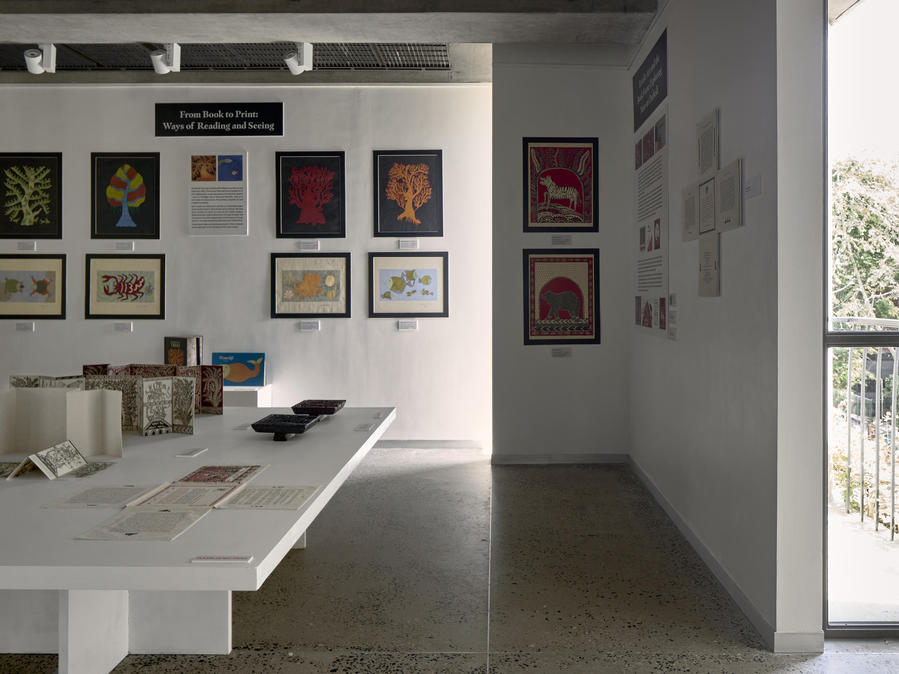
In 2021, it changed hands again, we were asked back to the project to recreate it as a library and design center, after the previous owner himself had made a series of modifications. We took the building as an artifact to be extended, and used the opportunity to rethink how the concrete frame, built to exploit code limits, could be applied to a new program.
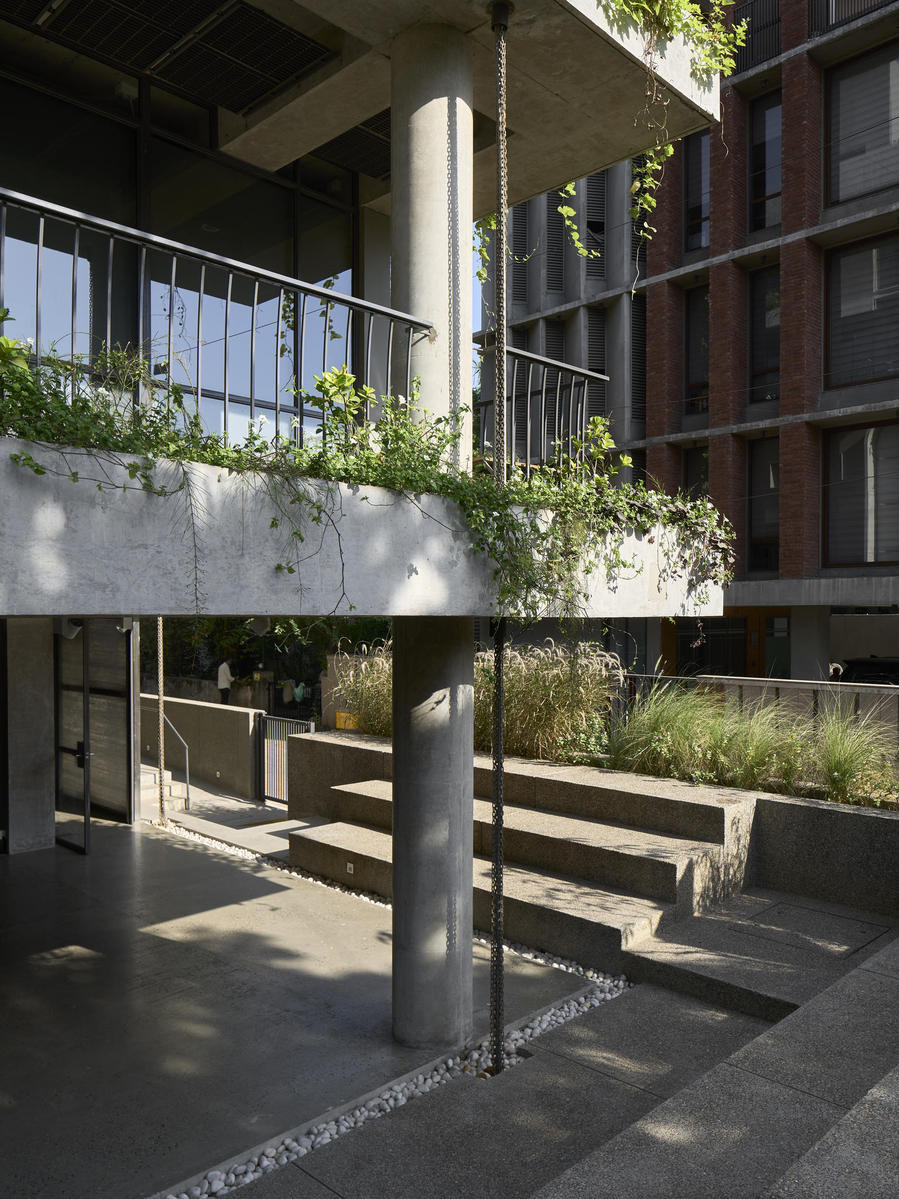
To shift from private to public, the ground floor is opened to a create a continuous, yet contained, public amphitheatre for outdoor events. The aggregate plaster used to finish them was created by crushing excess stone flooring we removed from the building. Public space moves up through a carefully inserted staircase that opens to public galleries on the second floor and library reading rooms on the third and fourth.
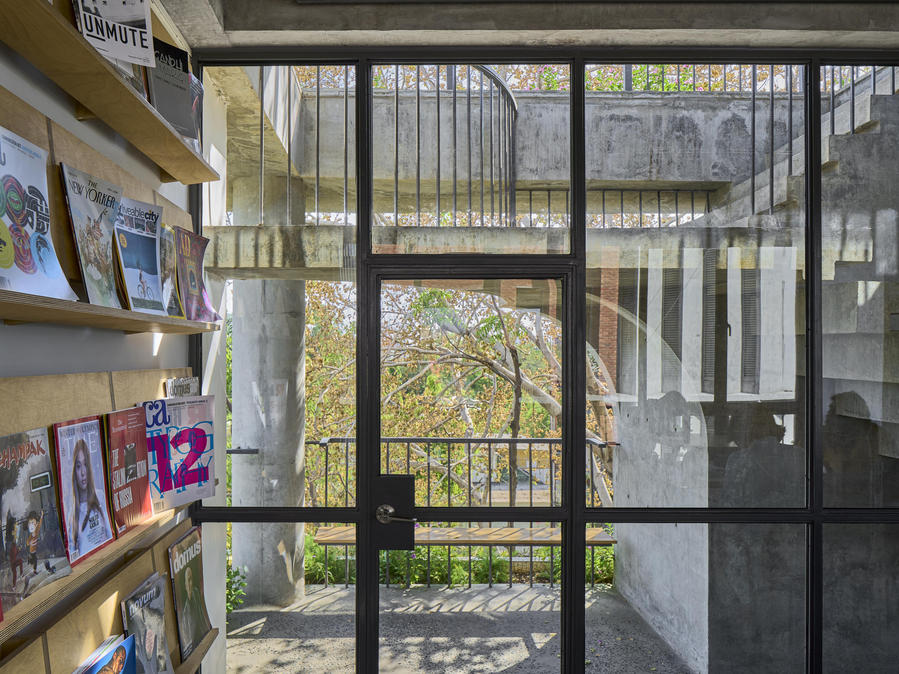
The public nature of the space is reinforced by a five-story cut in the slab – the building’s five story water-jet cut steel bookshelf has become its backbone, anchoring the shifting spaces on each floor. The depth of the bookshelf and a well-protected window creates a focused, intimate, seat within the shelf. The section of the building is literally visible through a glass cut adjacent the shelf - a response to the removal of an errant stairway, and an opportunity to tie together each floor with a bit of a thrill. The double frame steel negotiates the varied beam and surface levels while providing support for the cantilevered shelf.
The new building has a transformed fenestration system, which accommodates slight alterations in the enclosure. With small moments – the insertion of a terrace stair, the subtle extension of the fenestration – we play with accidental adjacencies and exploit unintended intersections. The facade wrapping balconies are moments to break with the logic of the vertical structure.
photo credit: Randhir Singh
Ahmedabad, Gujarat | 2020
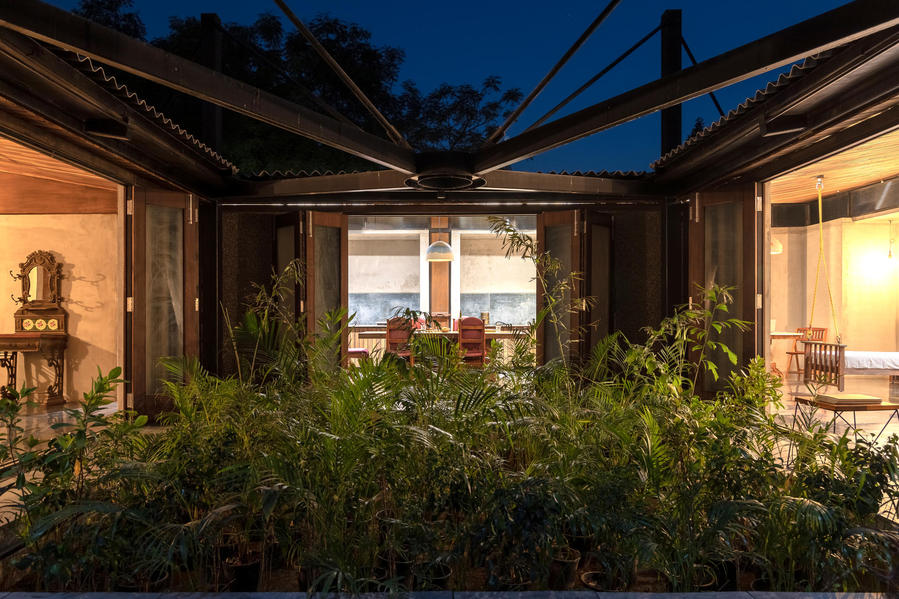
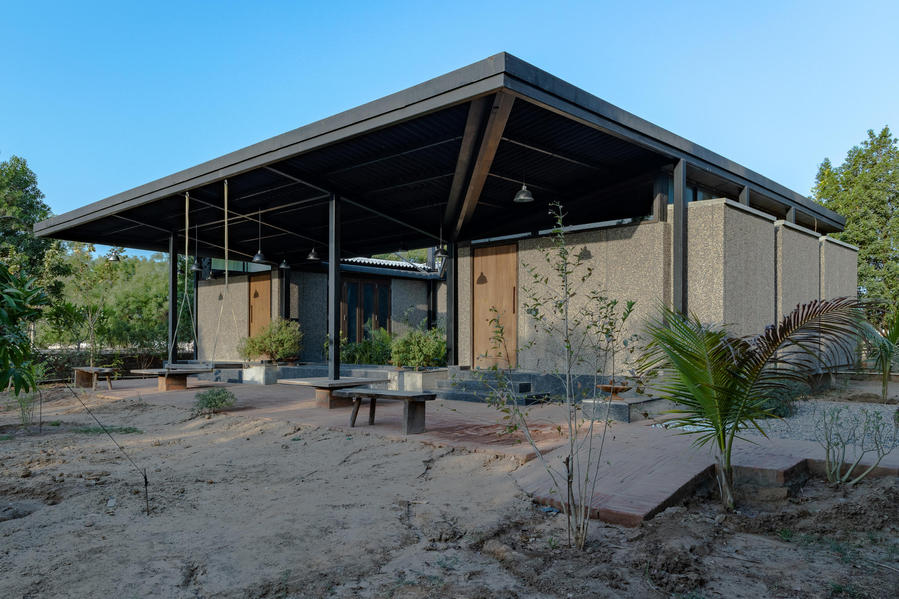
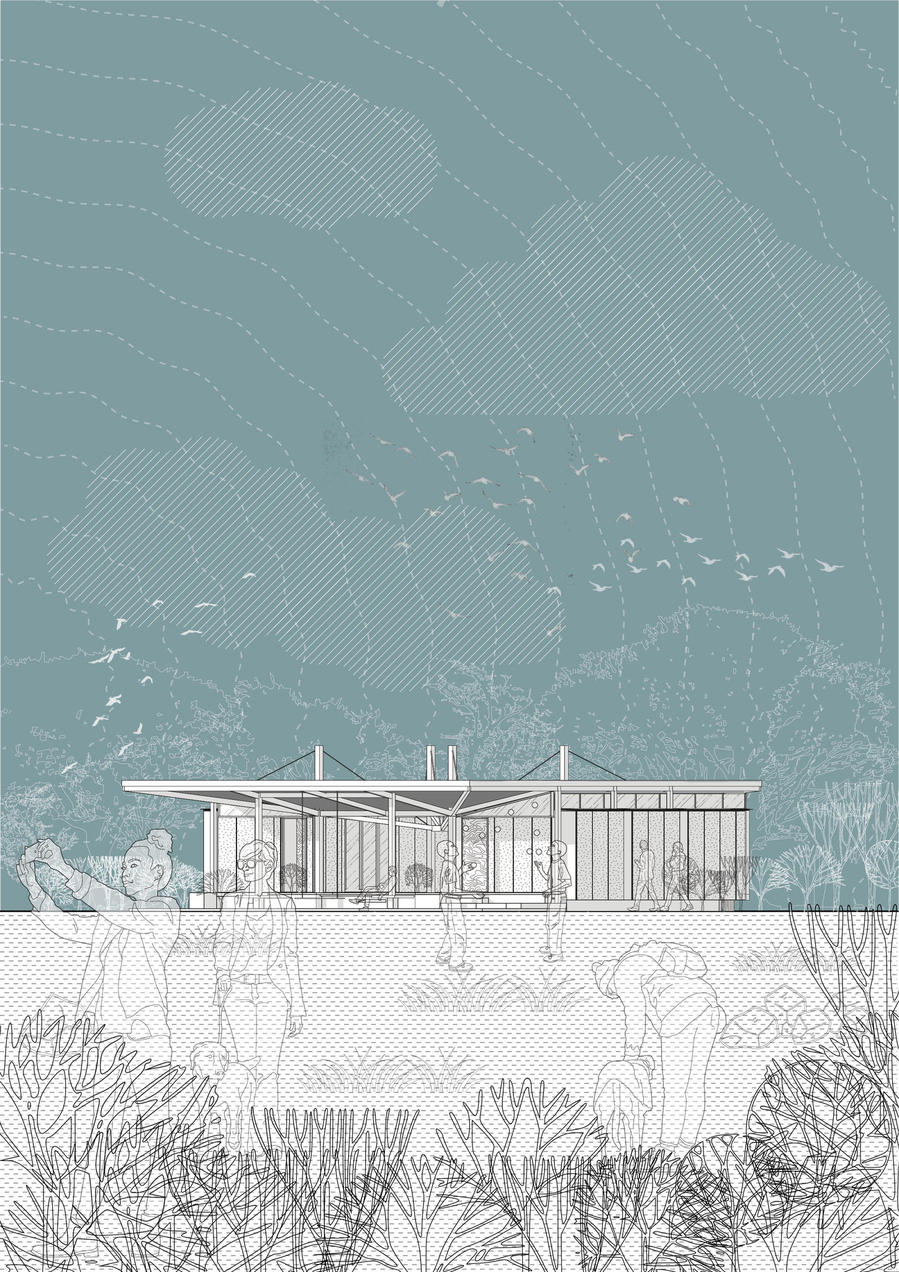
A delicately balanced weekend home in the outskirts of Ahmedabad provides respite from the limitations in the city. Located at the cusp of urbanization, its neighborhood of residential plots weaves between agricultural tracts, and birds from a nearby wetland drop in.
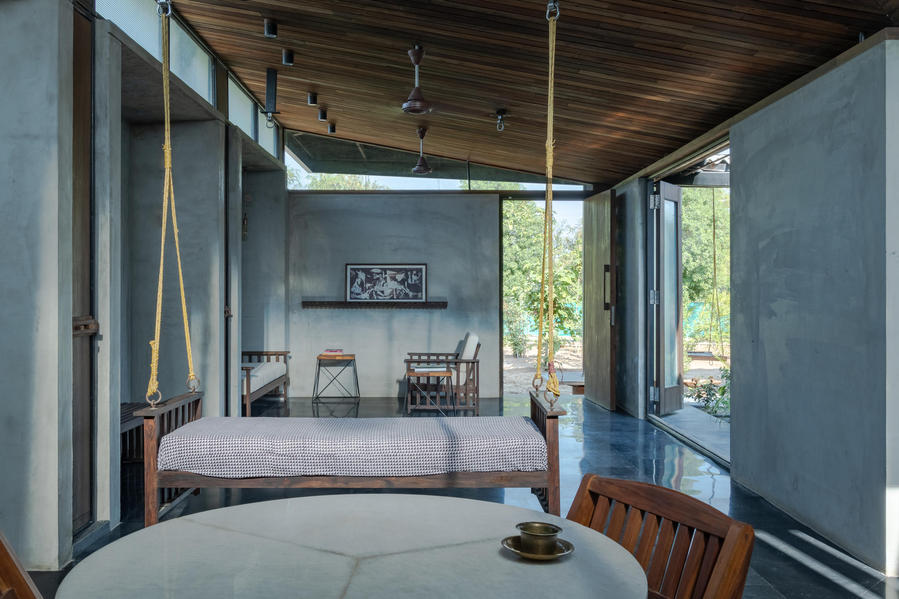
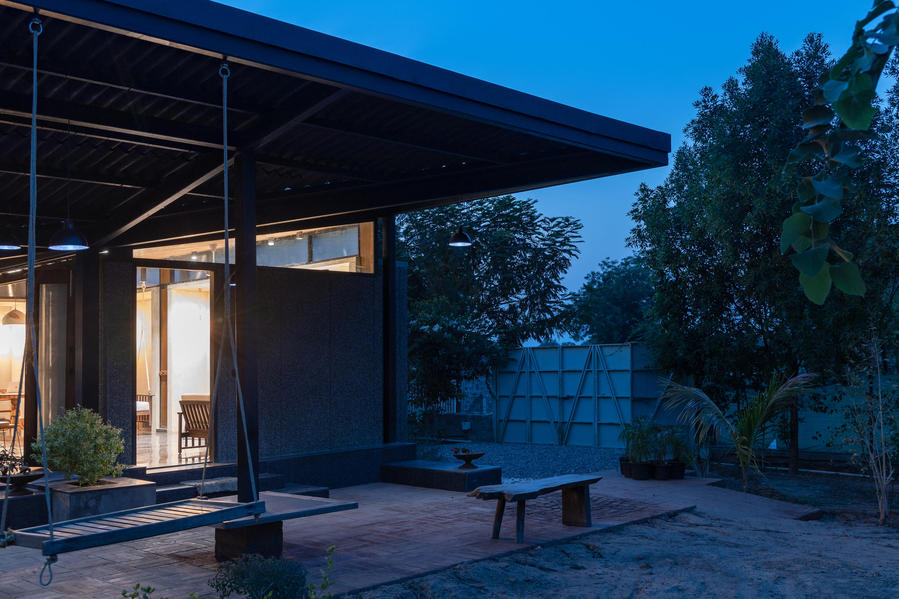
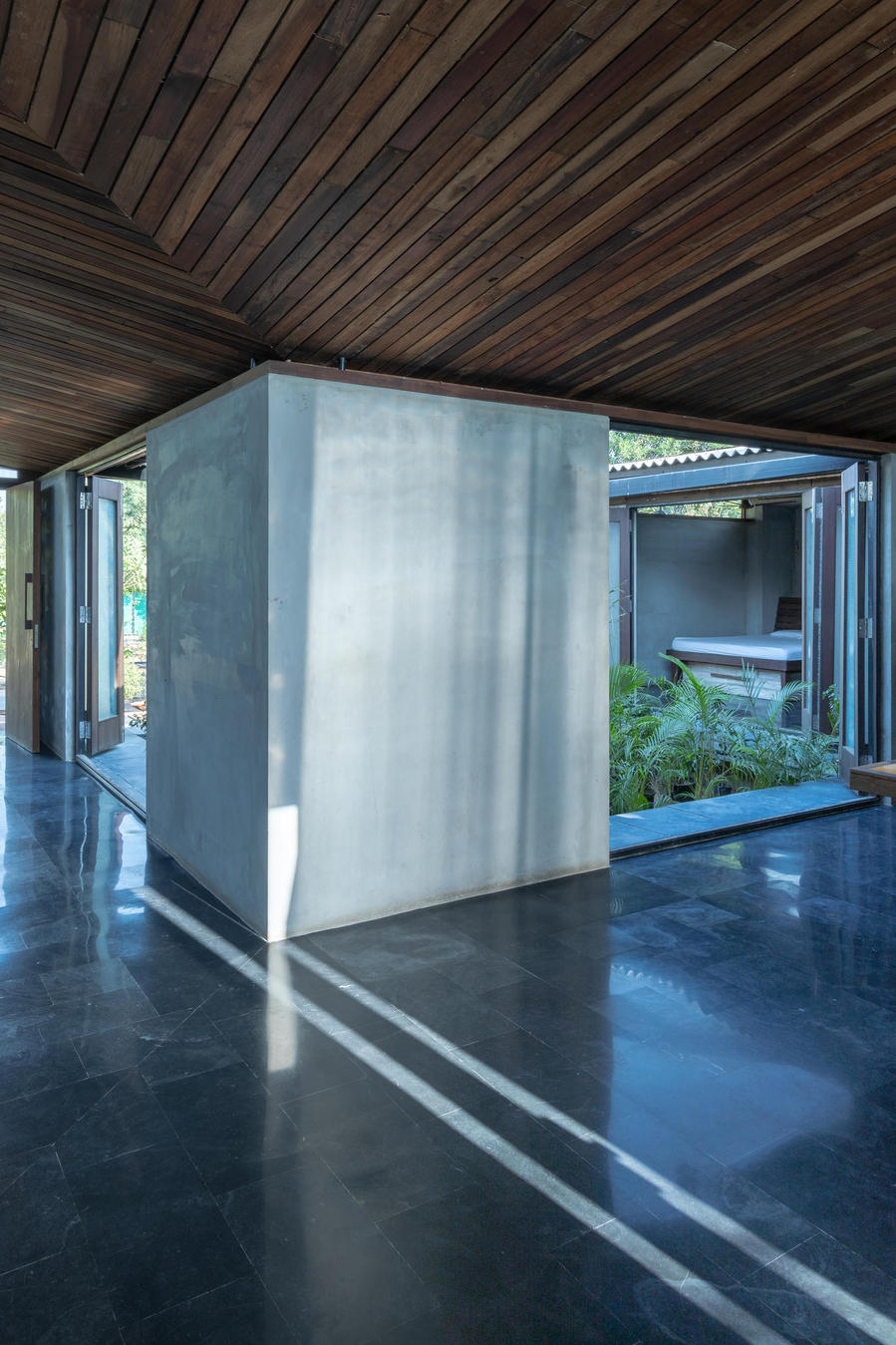
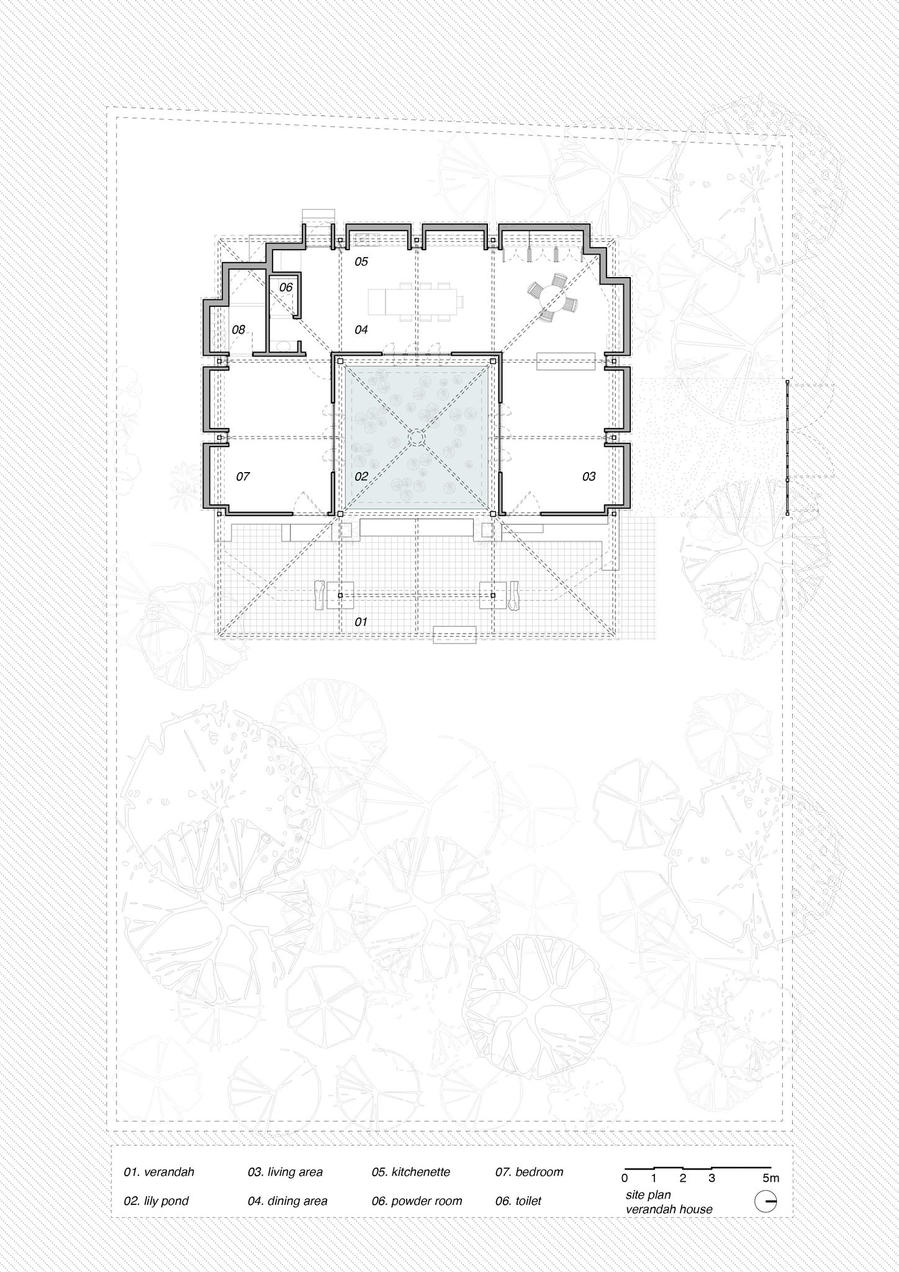
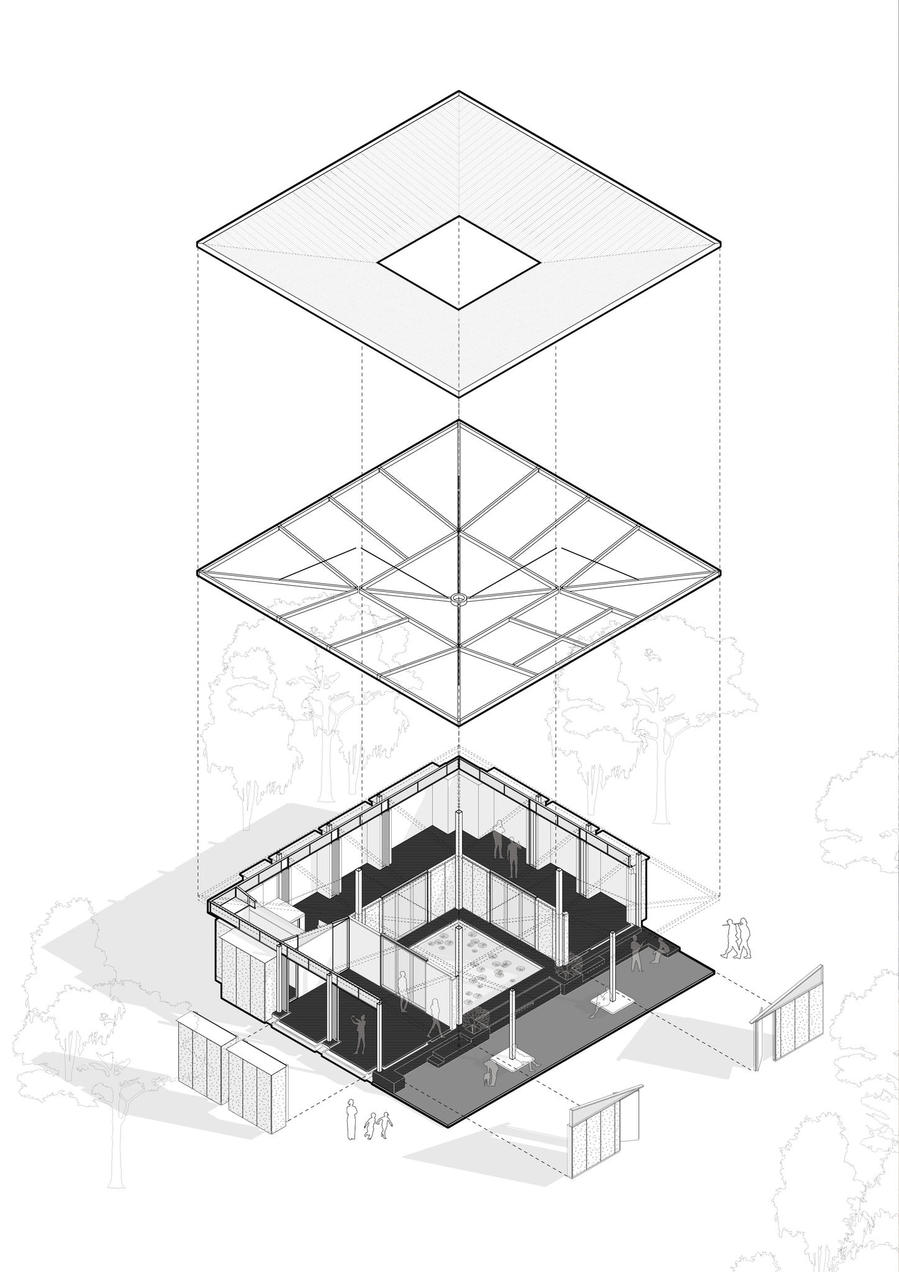
The house is perched on a plinth, and a light steel exoskeleton holds the roof, whose open courtyard cantilever is hung and tied from four tall masts. Living spaces surrounds three sides of a planted courtyard, opening onto it so that the whole house feels like one big verandah. Cozy corners are nestled inside boxes punctuating the perimeter, where carefully contained zone holds sofa, reading nook, and kitchen alike. The fourth side steps down into a small, young orchard, to create a living space that seamlessly moves between indoors and out.
The 127square meter structure has three prominent layers - a heavy plinth finished in polished kadappa stone, an MS exoskeleton framing the volume of the structure, and brick in-fill walls making the floating cabinets, finished in aggregate plaster. The sloping corrugated roof, the glazed doors, the brick paved variant veranda seating - all surround the central court. The house was constructed on a rapid schedule and built on the fly, largely from leftover site materials and unused prototypes. The client himself is a contractor, and the work a collaboration to use what he had available in ways that did not aestheticize repurposing, but rather seamlessly integrated it into the building system.
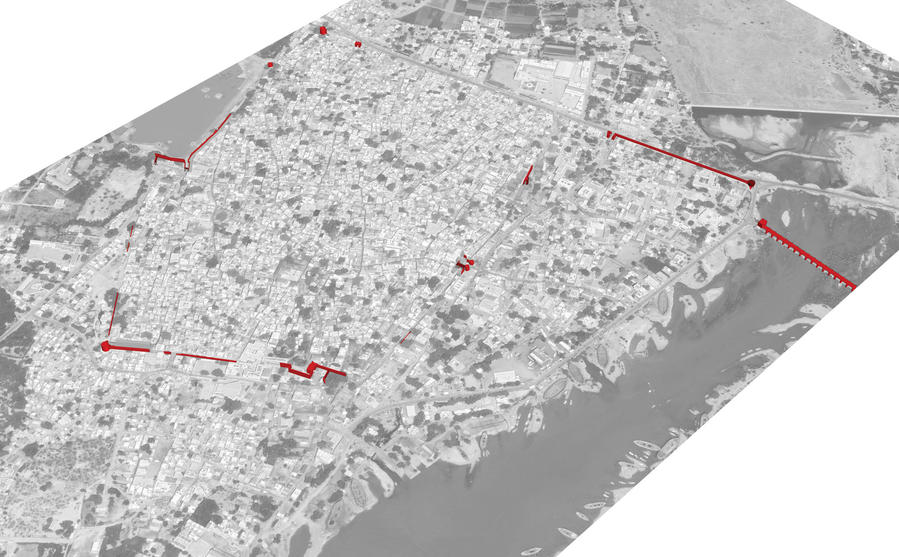
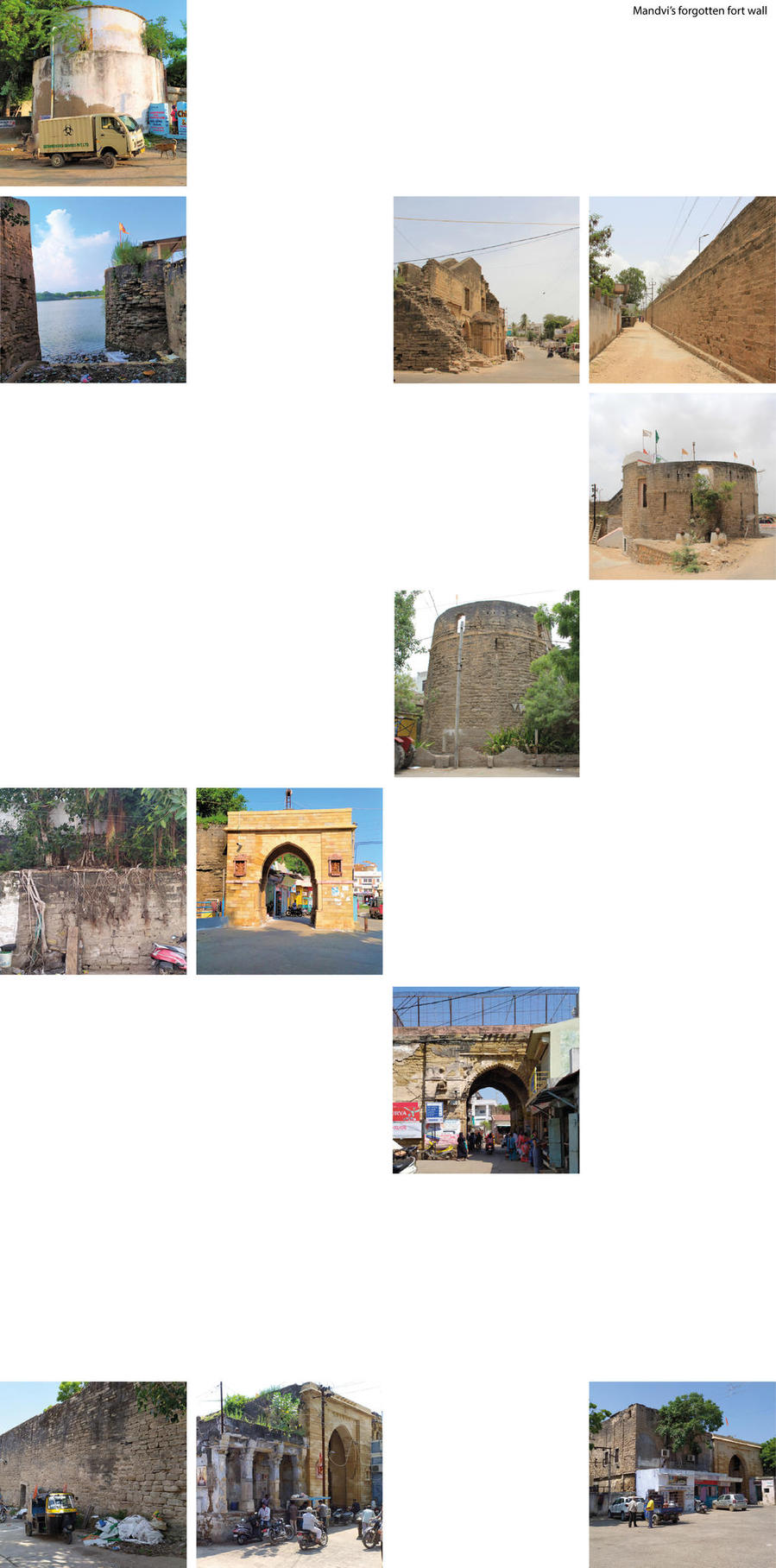
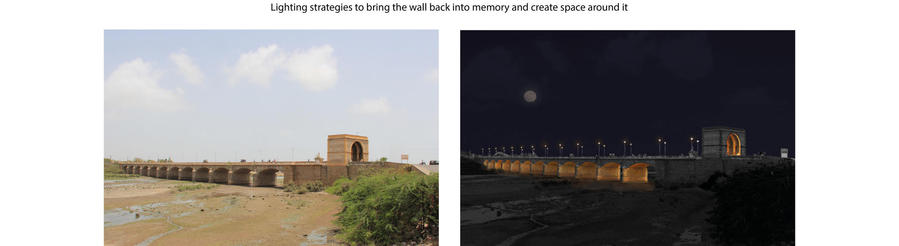
The remains of the Mandvi Fort Wall, which dates back to the 14th century, stand in varied states of disrepair. This project refocuses attention to the dilapidated wall by illuminating it and the public spaces it frames, using the necessary scaffolding to render the wall notionally complete, while also shoring up its precarious moments.
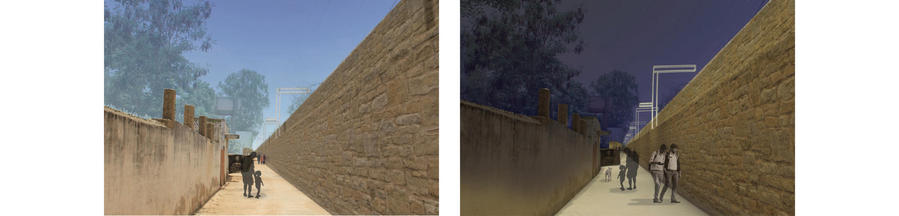
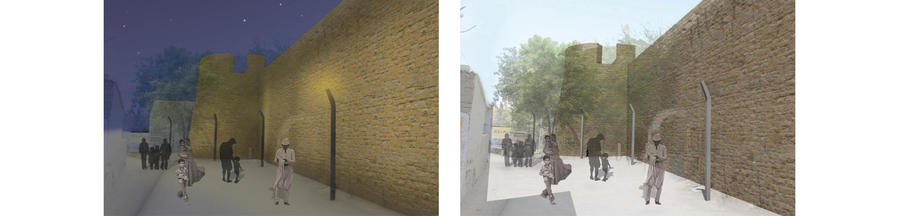
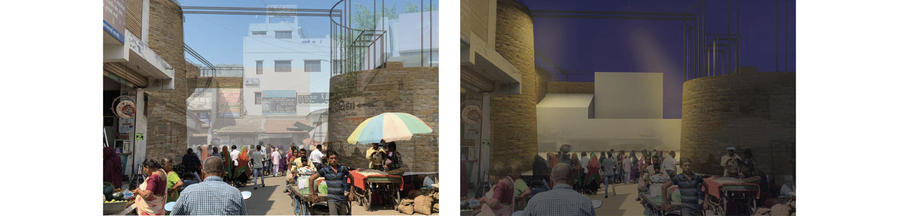
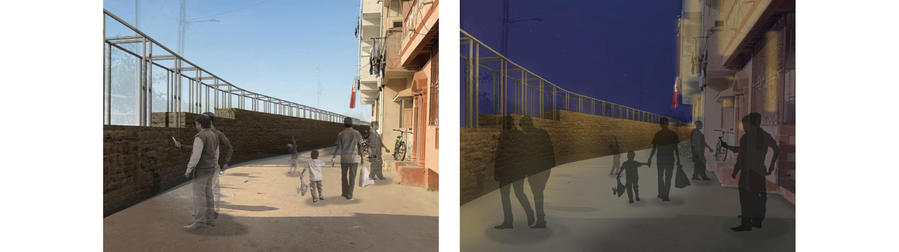
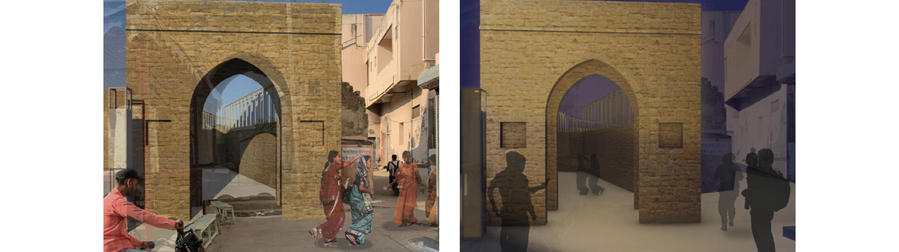
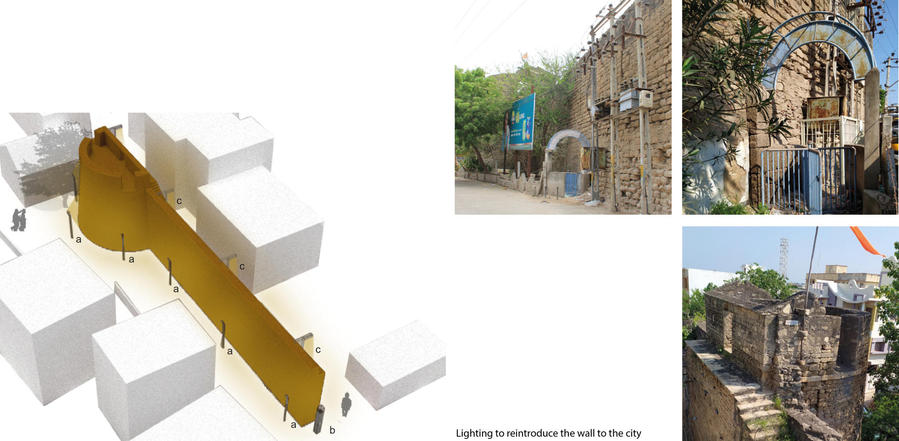
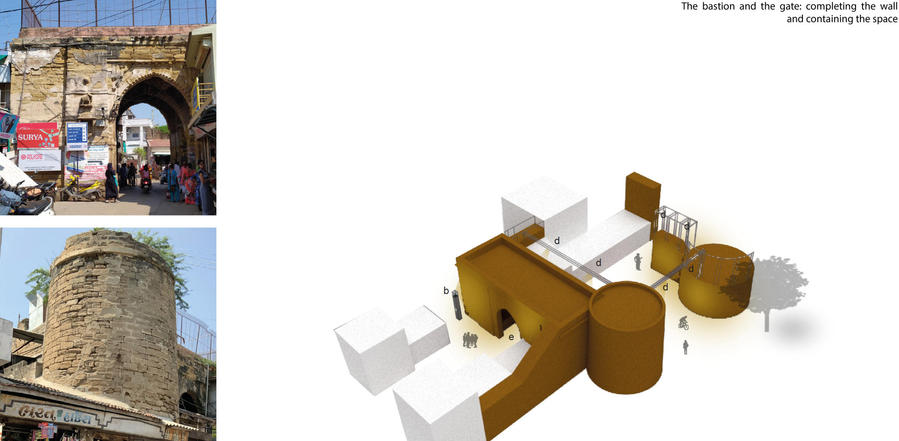

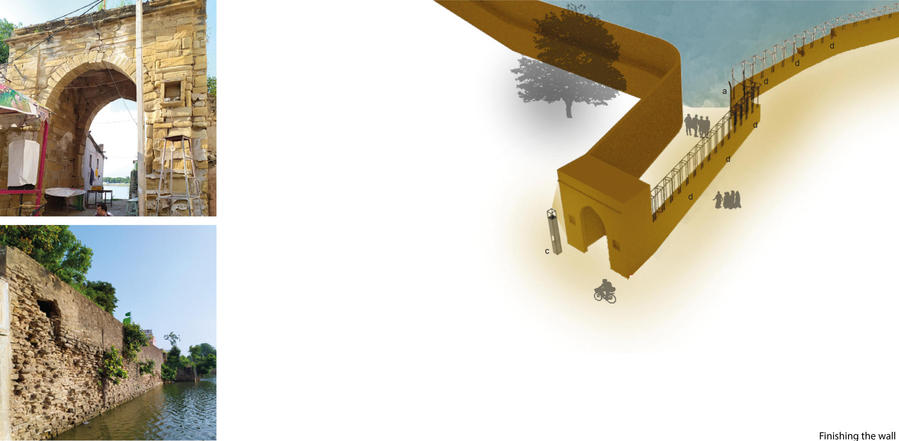
Ahmedabad, Gujarat 2013 - 2020
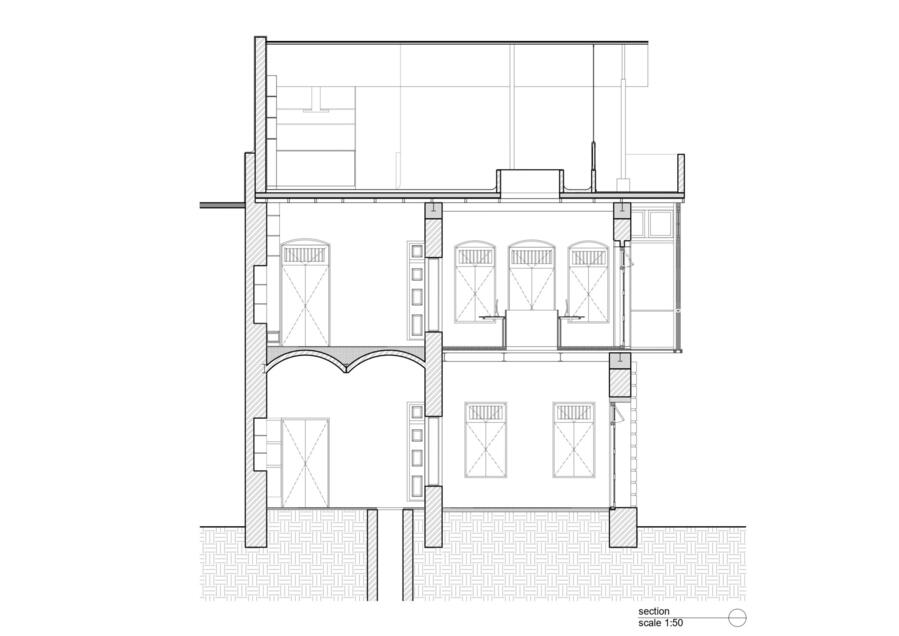
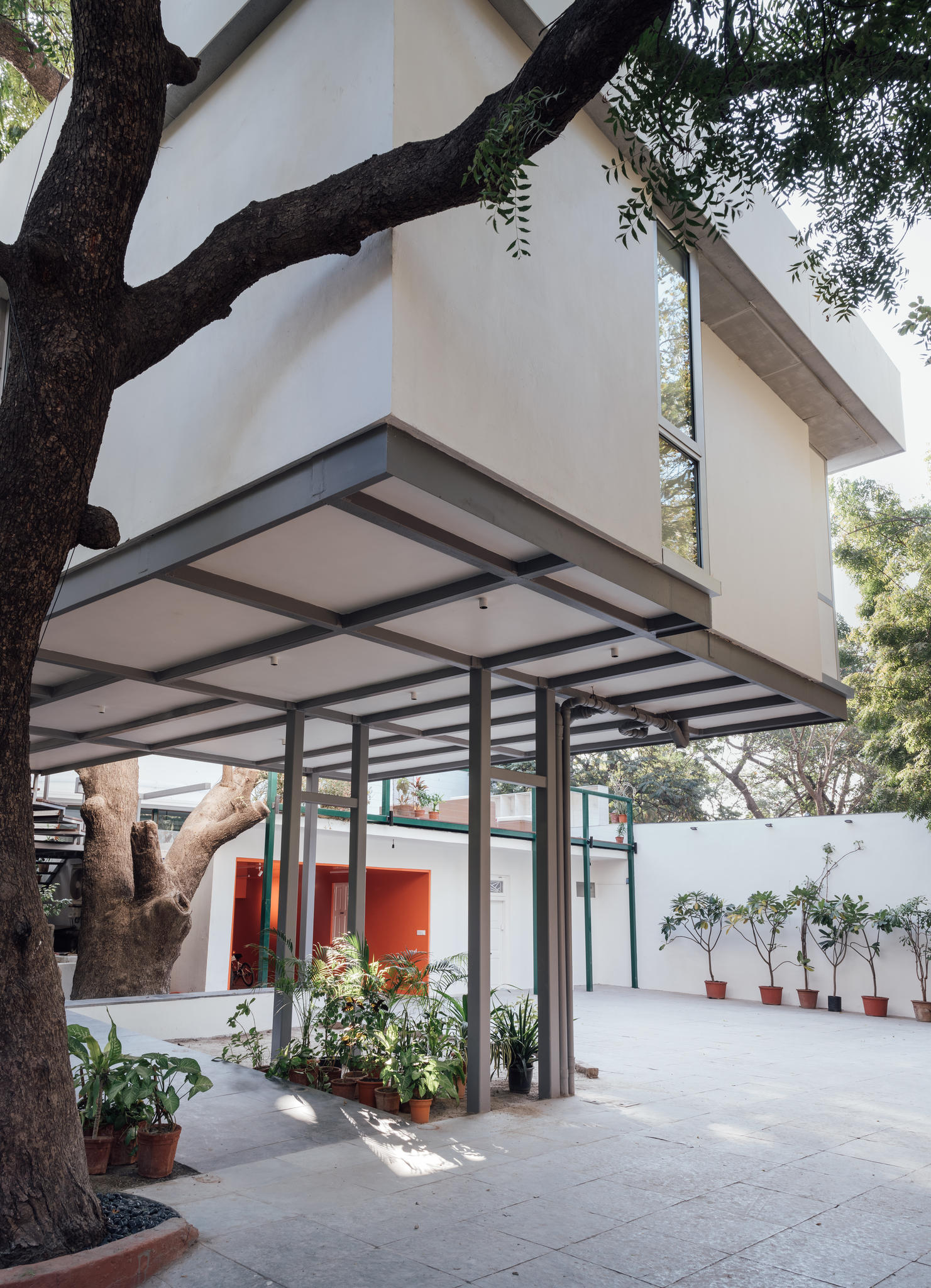
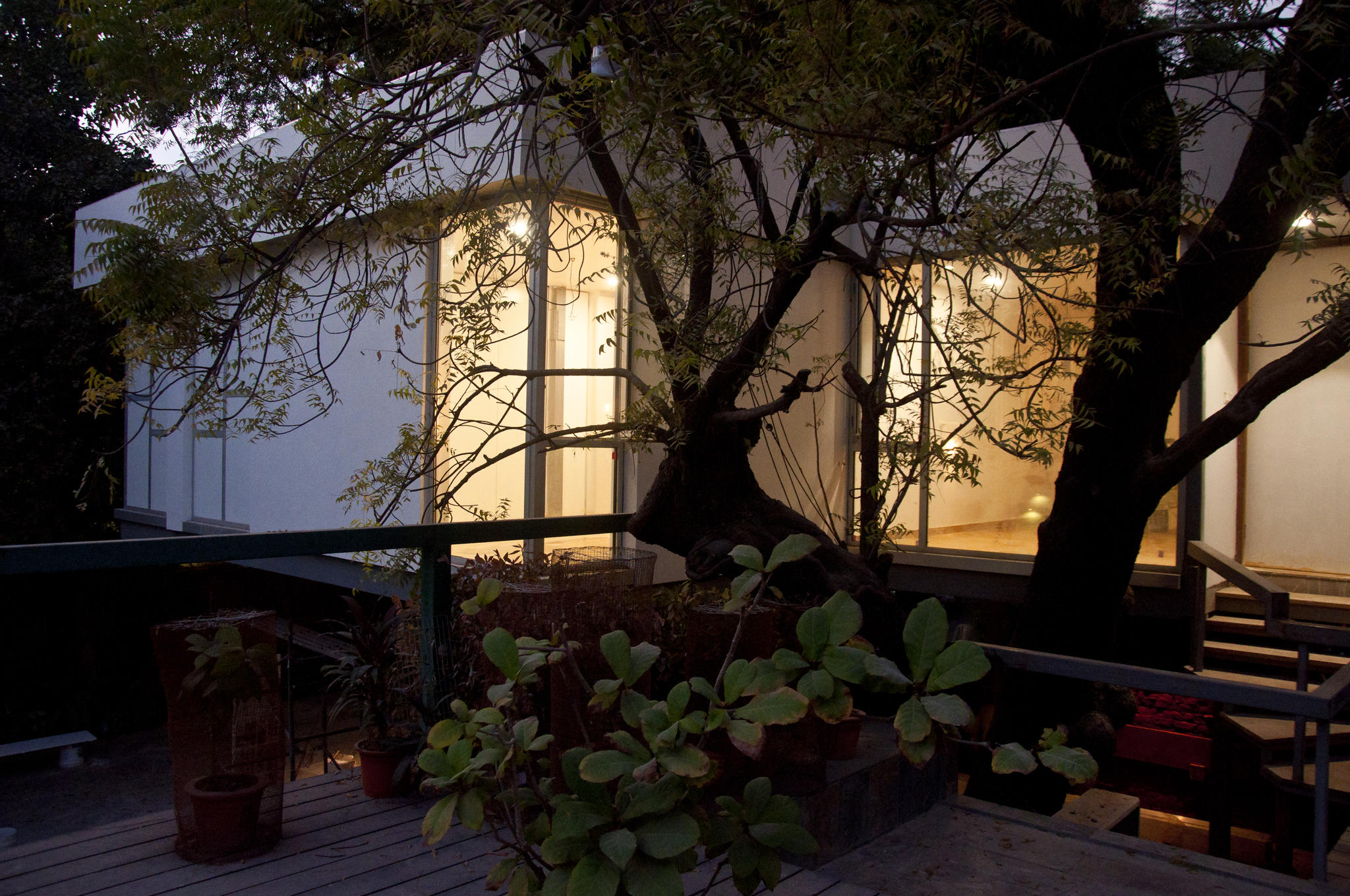
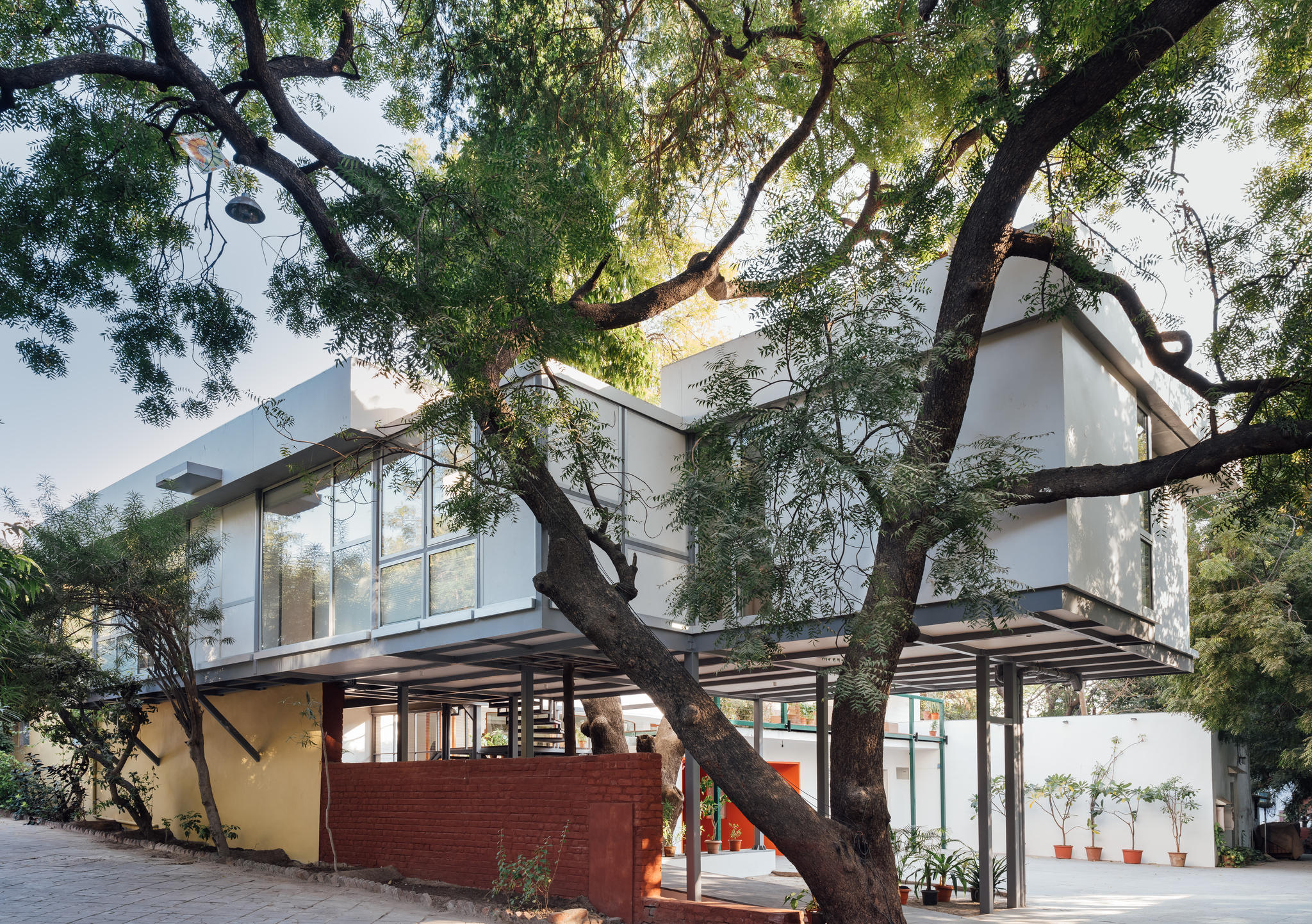
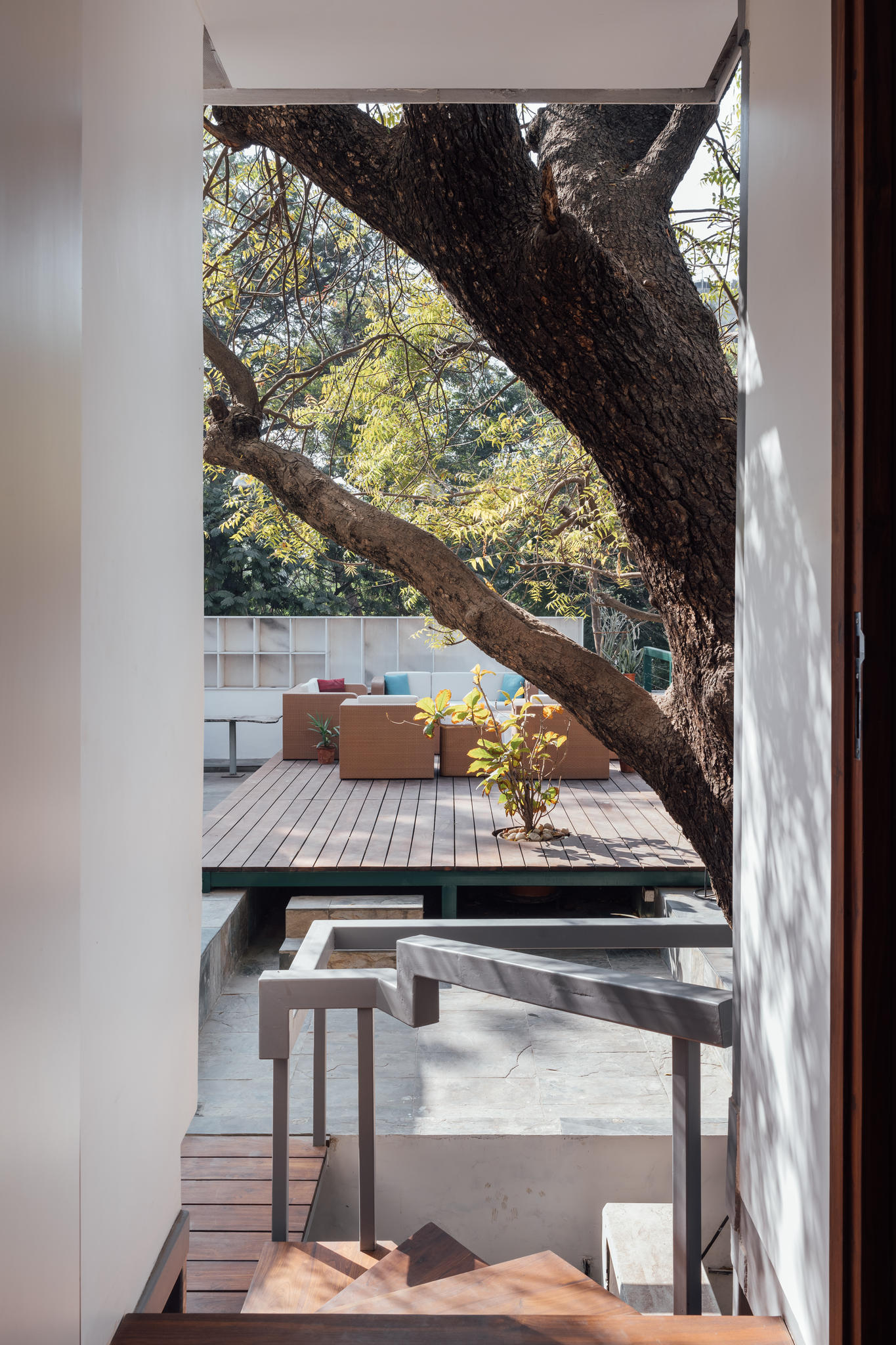
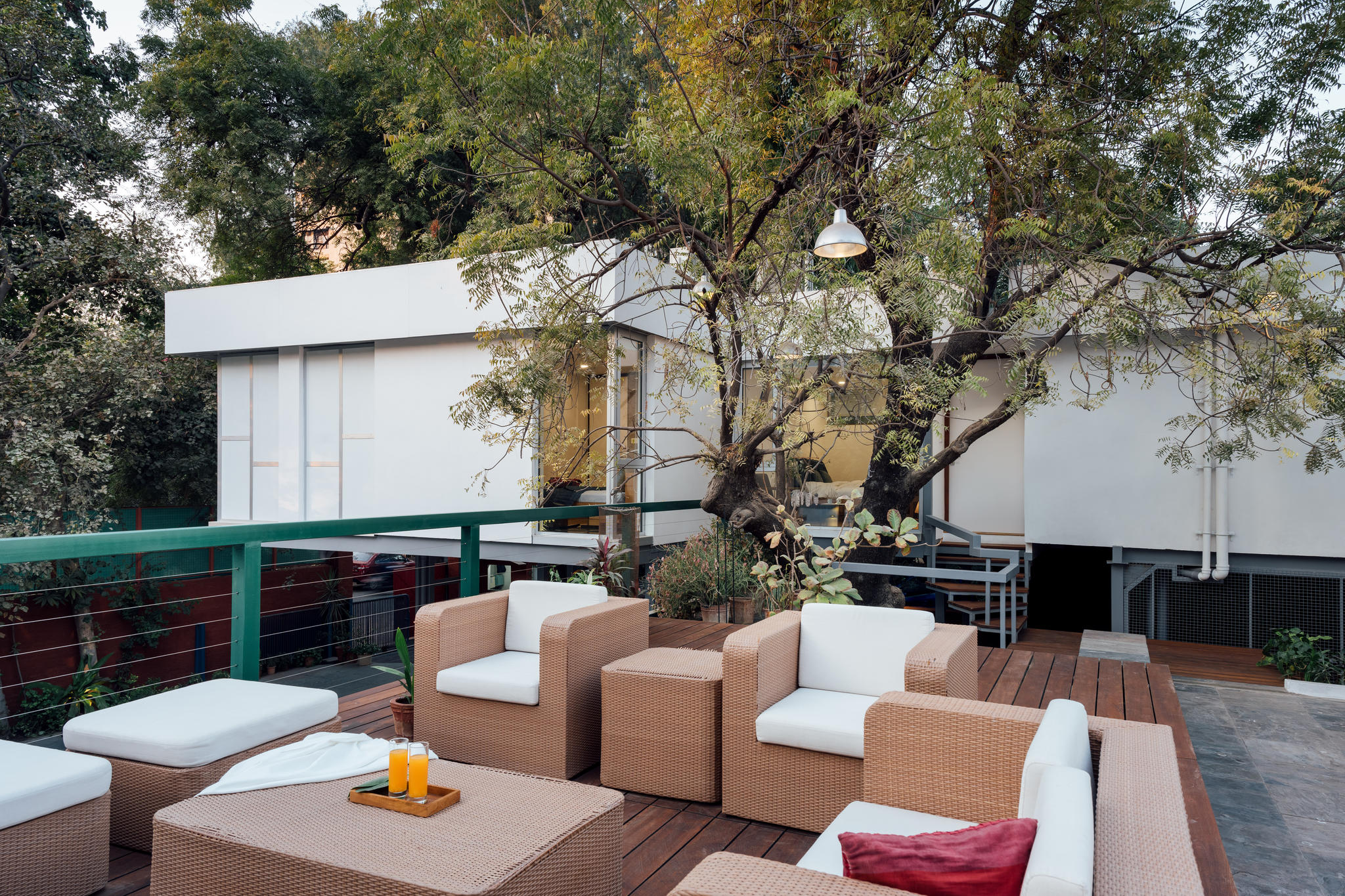
As a project, the Chidambaram House gracefully demonstrates the opportunities that a deep engagement with time offers. It is an evolving place, layering phases of history onto its structure, shifting as its family matures and grows. When the site was first acquired, a small Art Deco structure stood in the land. Behind it, the original house designed by Gira Sarabhai, opened toward the Sabarmati River. Over time, Sarabhai’s house has expanded, extending back toward and finally wrapping all the way around the old Art Deco structure. Architects of varied approaches have brought new life and ideas to the place. What we have contributed to the layered campus is a project in three phases that uses the existing Art Deco Structure as an armature, and reaches out into the trees to develop a light, airy home within a home for the family and their dog.
PHASE 1: FLOATING A NEW TERRACE (2013-2014)
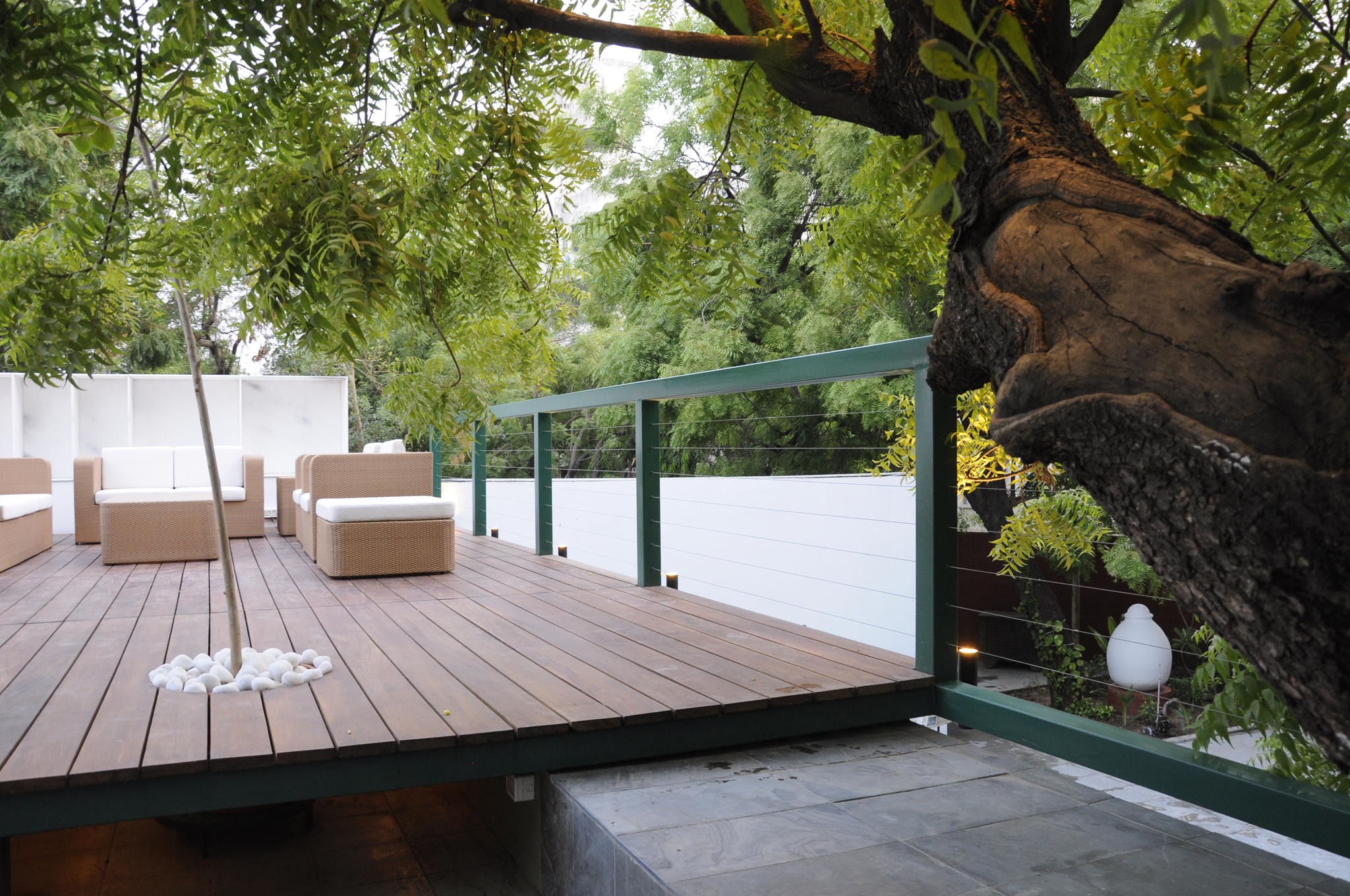
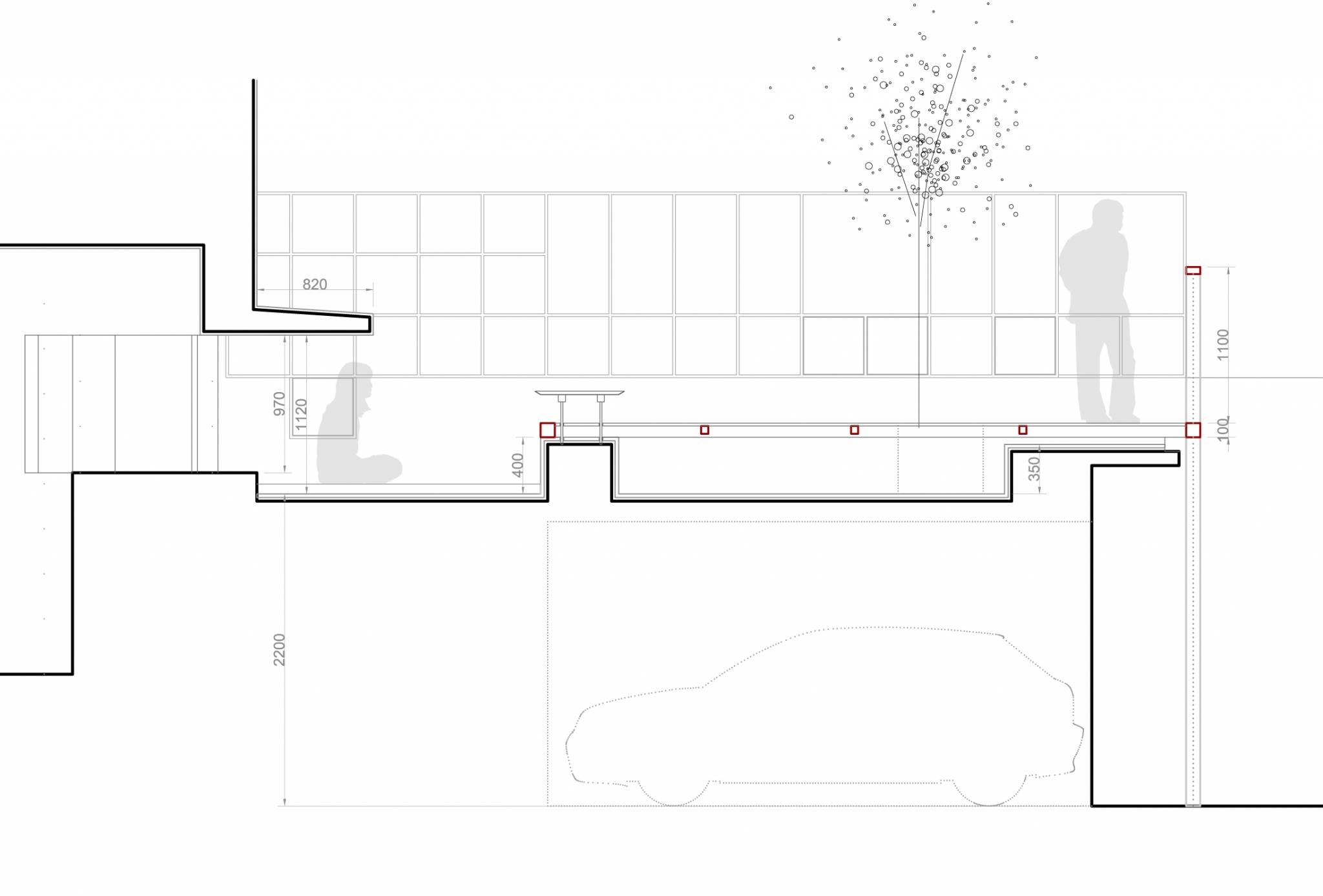
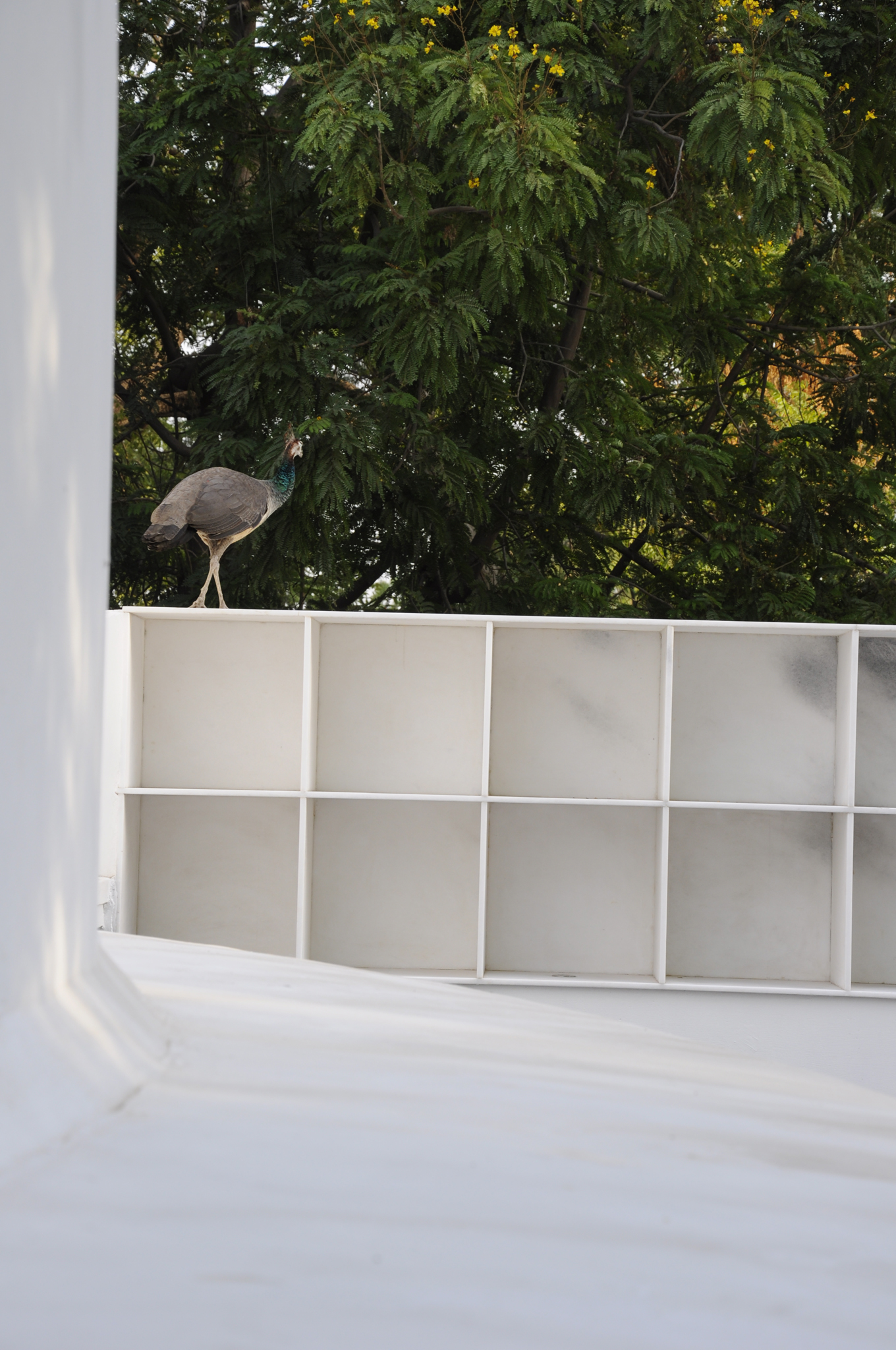
A new open terrace, hovering between openings of the old Art Deco facade, reclaims the space above an old garage for a three-sided elevated court. The steel frame rests on a raised beam, and projects over the existing facade, anchored in the ground below, to create a shaded arcade at the ground level, and a railing above. Simple teakwood planks, polished with linseed oil and water, complete a surface that floats in the branches of an old neem tree, flanked by a row of marble shelves.
 PHASE 2: RECLAIMING AN ART DECO VERANDAH (2015-2016)
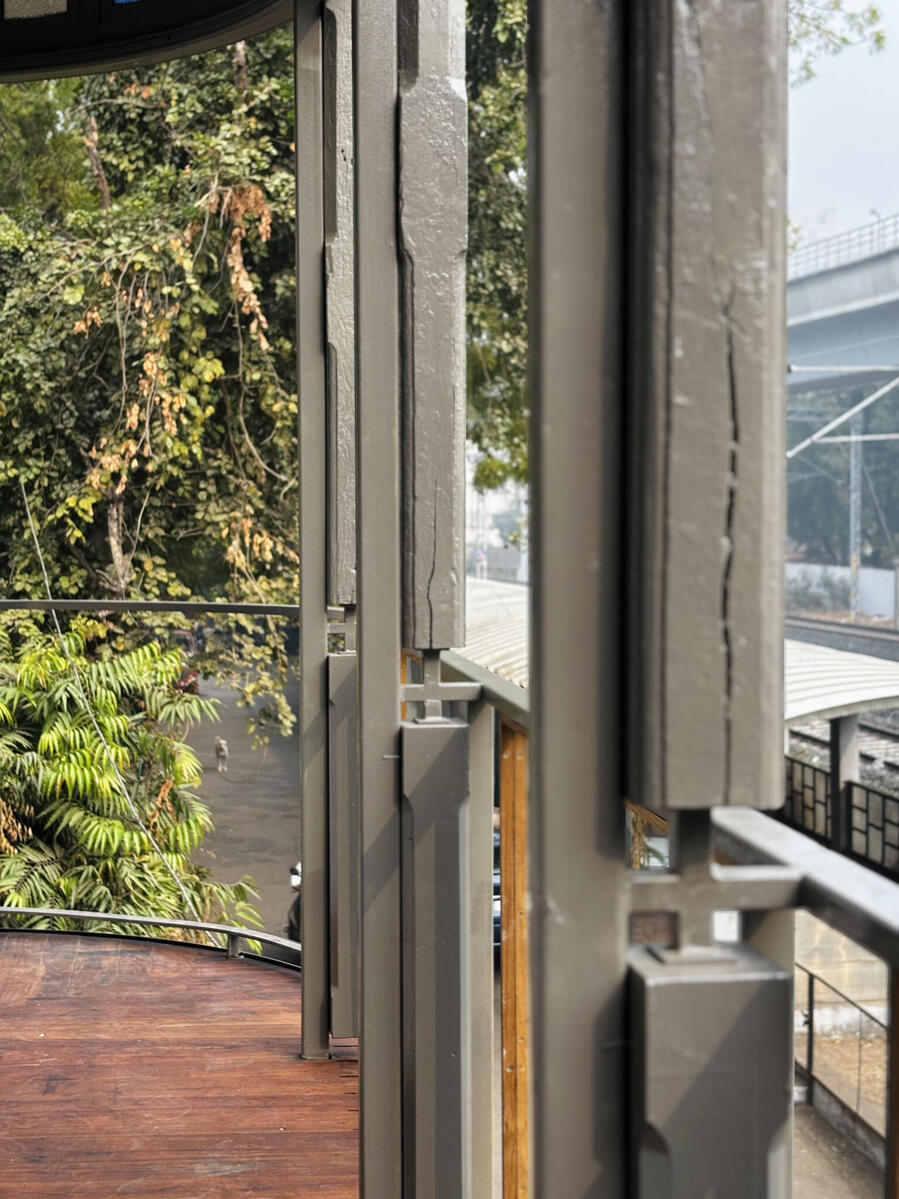
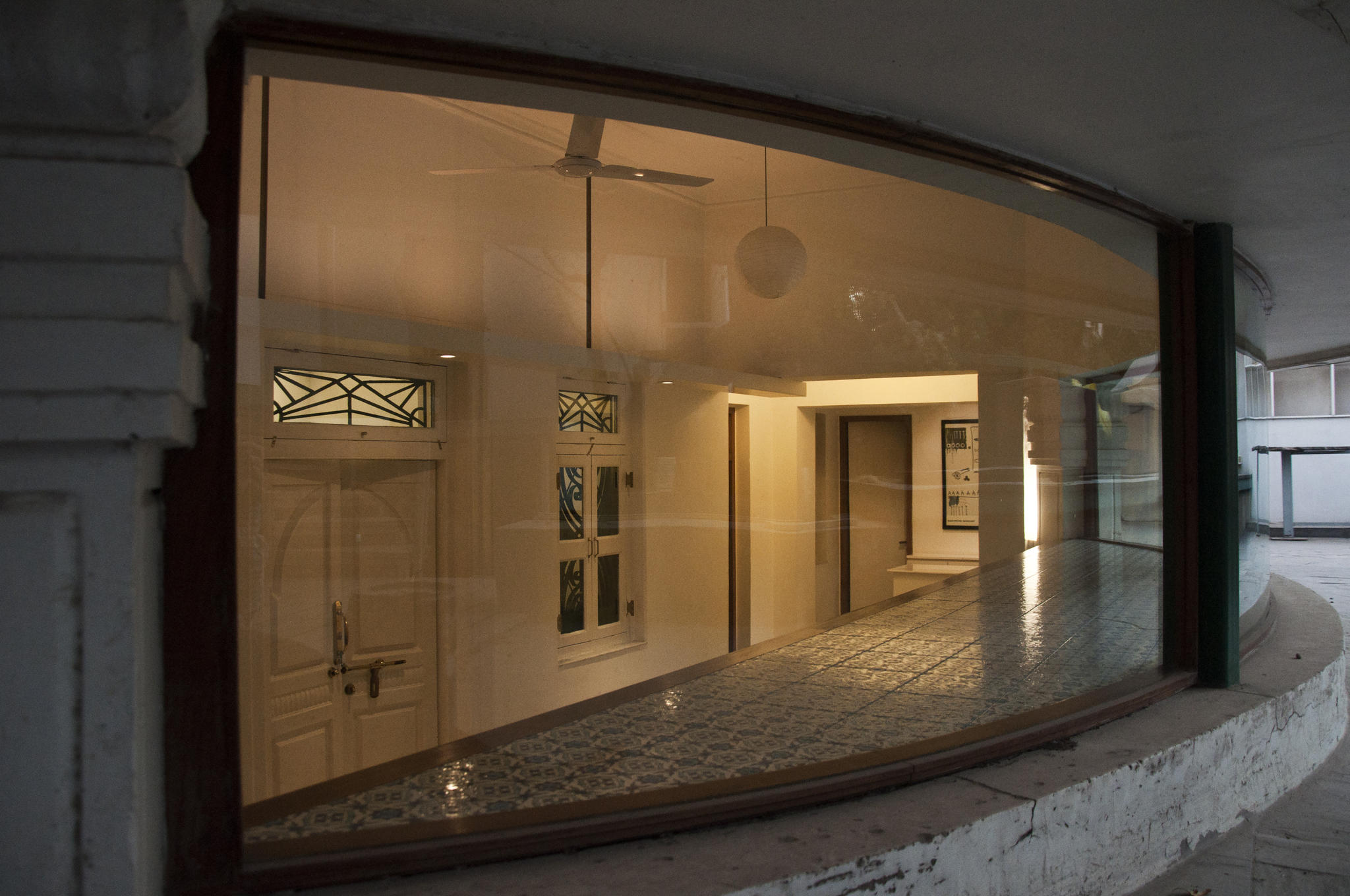
The glass-faced verandah warmly operates as a visual connection between the house and the open terrace. Delicate teakwood frames touch ornate columns lightly, subtly articulating a threshold while amplifying the beauty of the view. Inside, a sleek white light tray suspended from brass pipes ties together the stylized art deco elements to create a contemporary space (while deftly concealing added pipes).
PHASE 3: BUILDING ROOMS IN THE TREES (2018-2020)
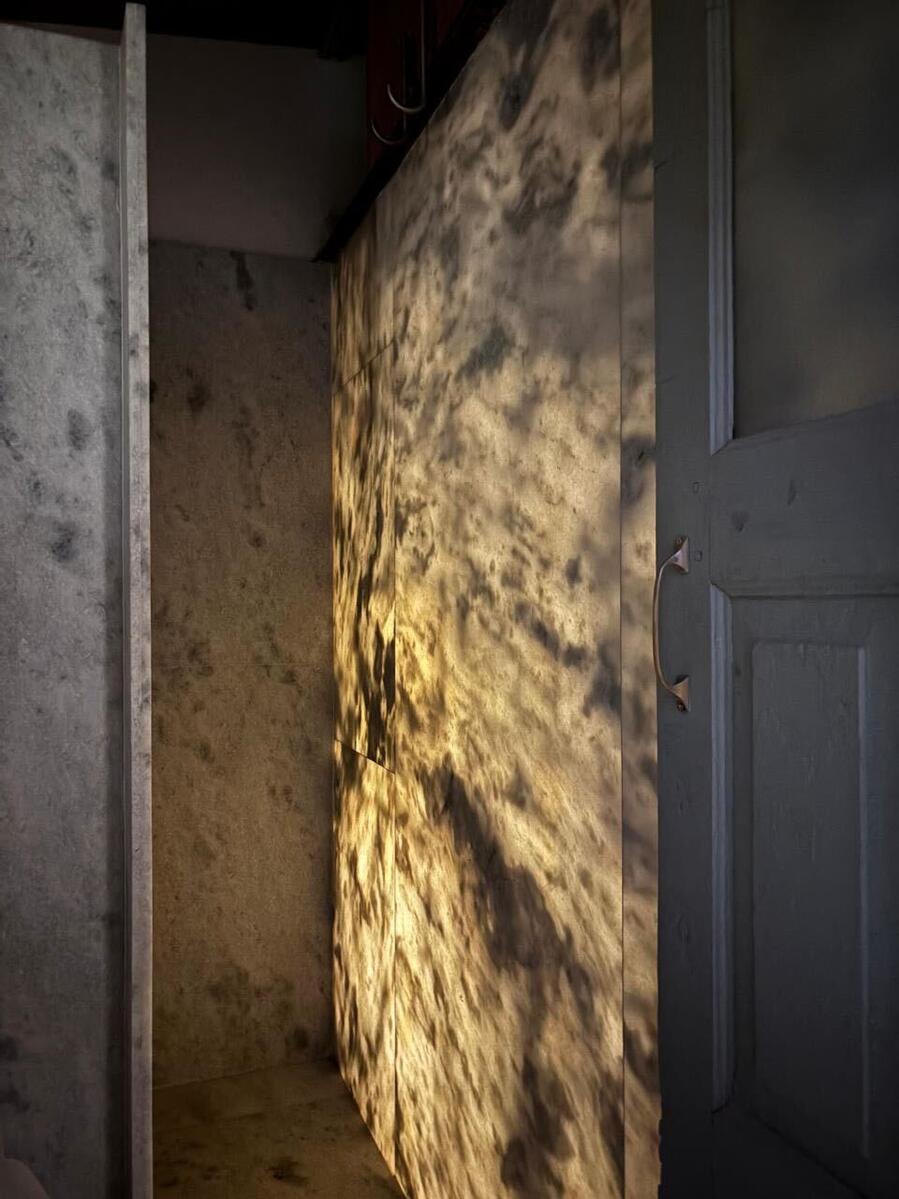
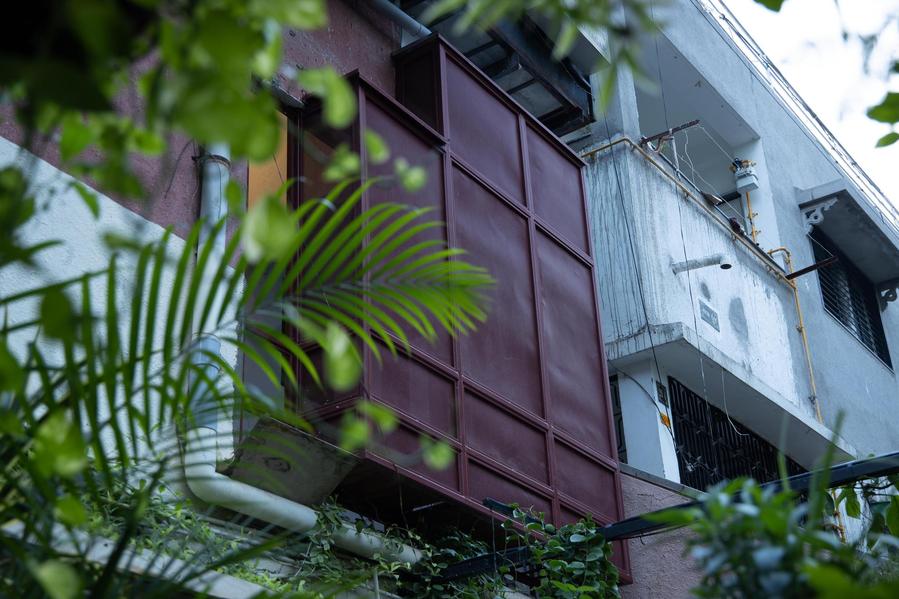
Floating out beyond the building, above wall and walkway, a new set of light-filled rooms hangs from a steel truss, winding around aged trees. A thin floor plate turns the corner to a lit ceiling below, highlighting the delicate columns from which it is suspended, no larger than the straight trunk of the young Aso Palav growing through the children’s courtyard. Volumes open at the corner, peering into the leaves through alternating sheets of glass and marble. Washed with dappled light, warm Jaisalmer stone flooring anchors cozy rooms inside.




Ahmedabad, India 2016 - 2017
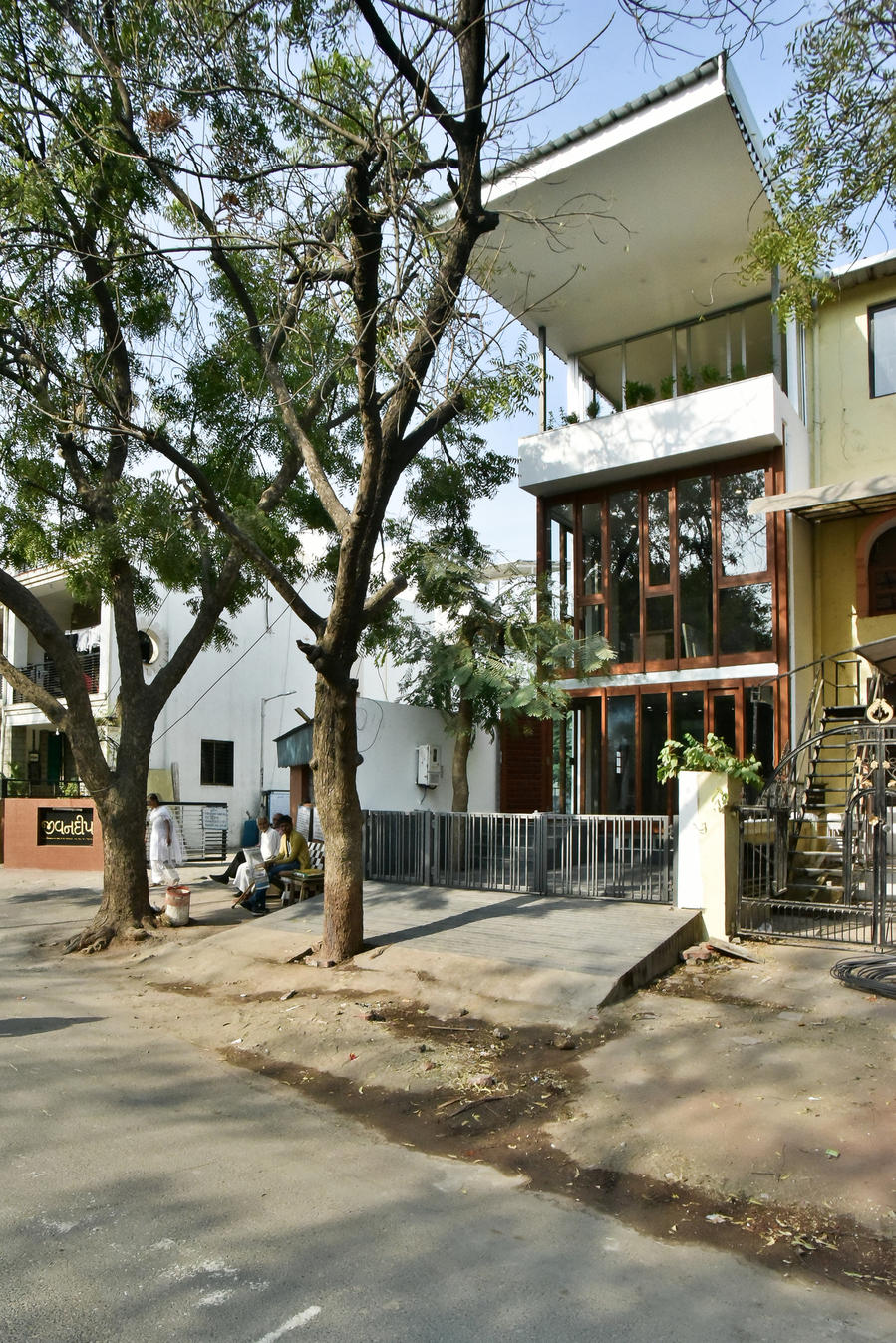
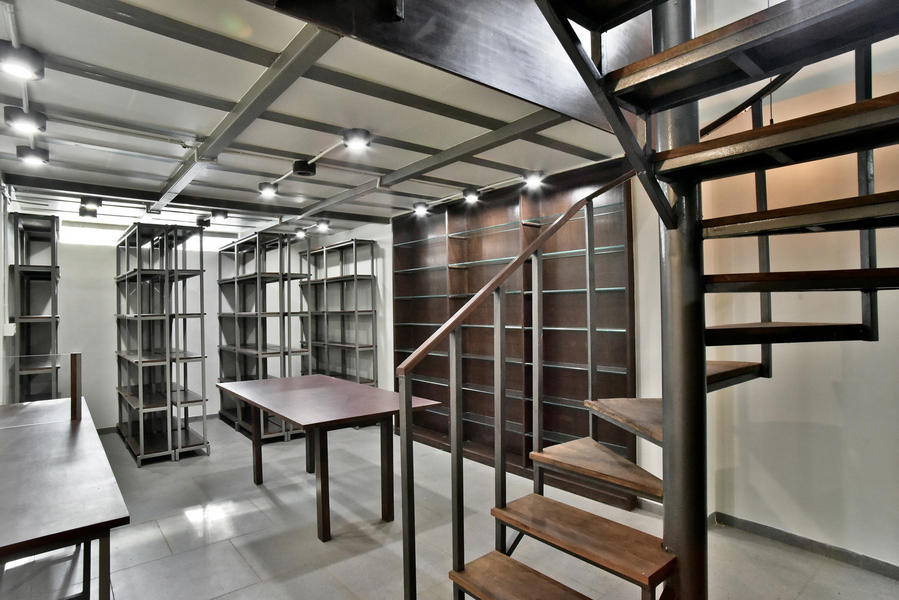
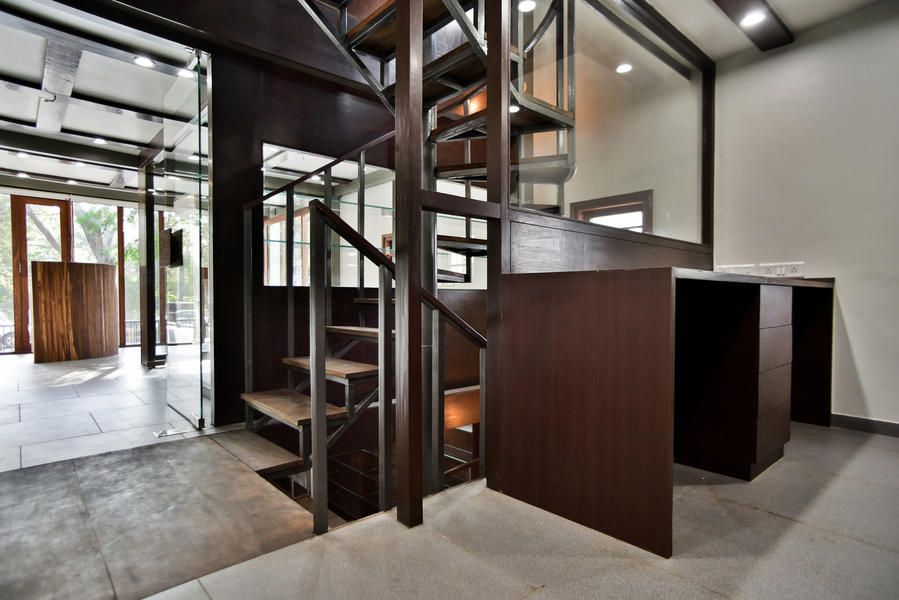
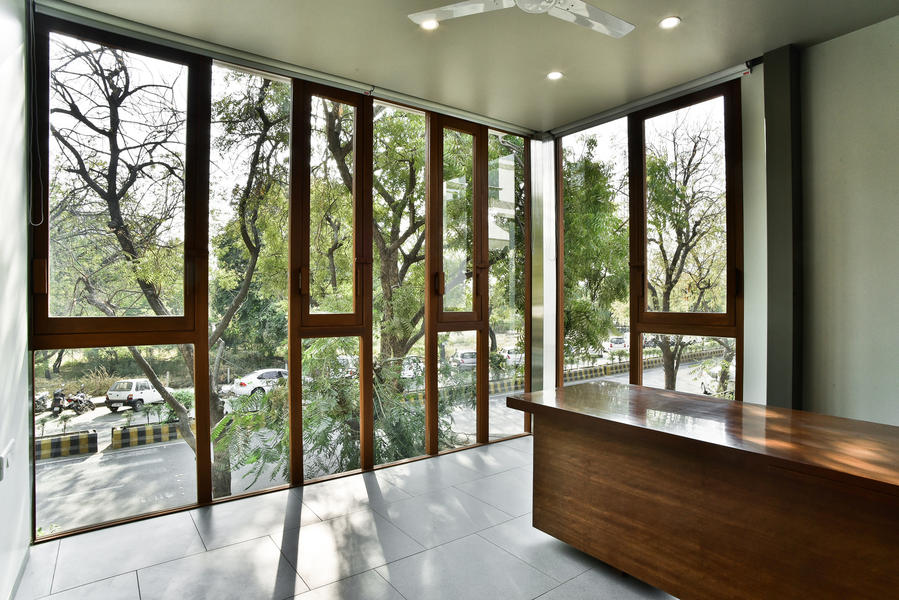
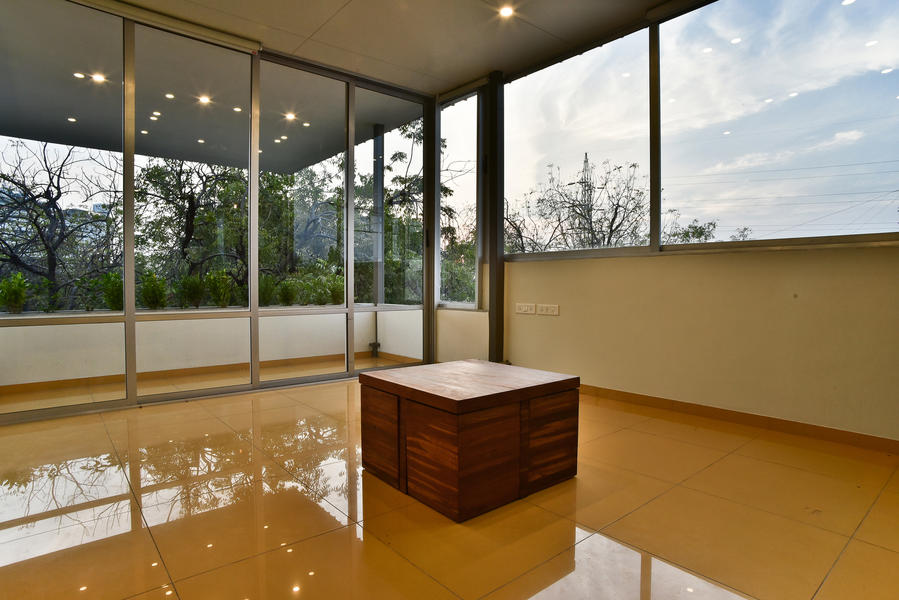
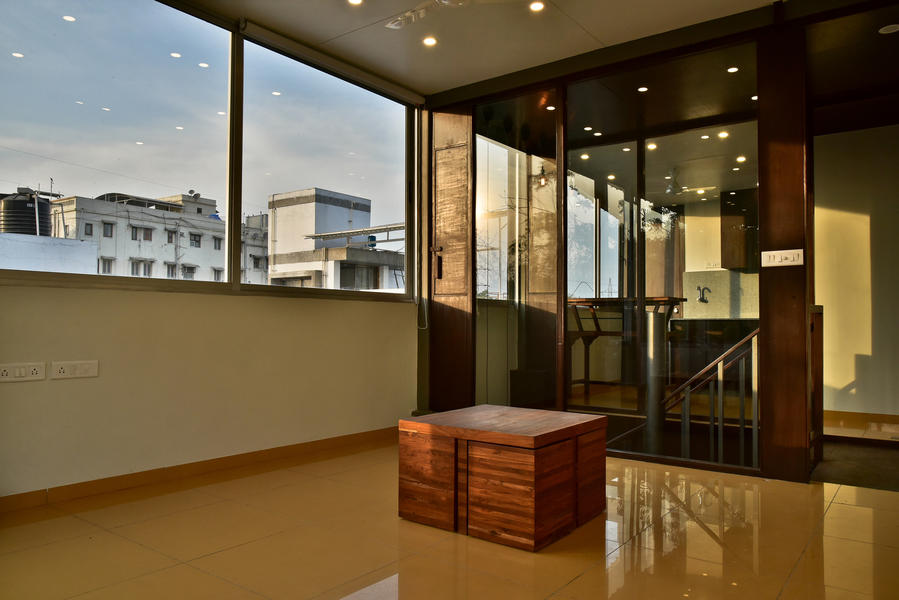
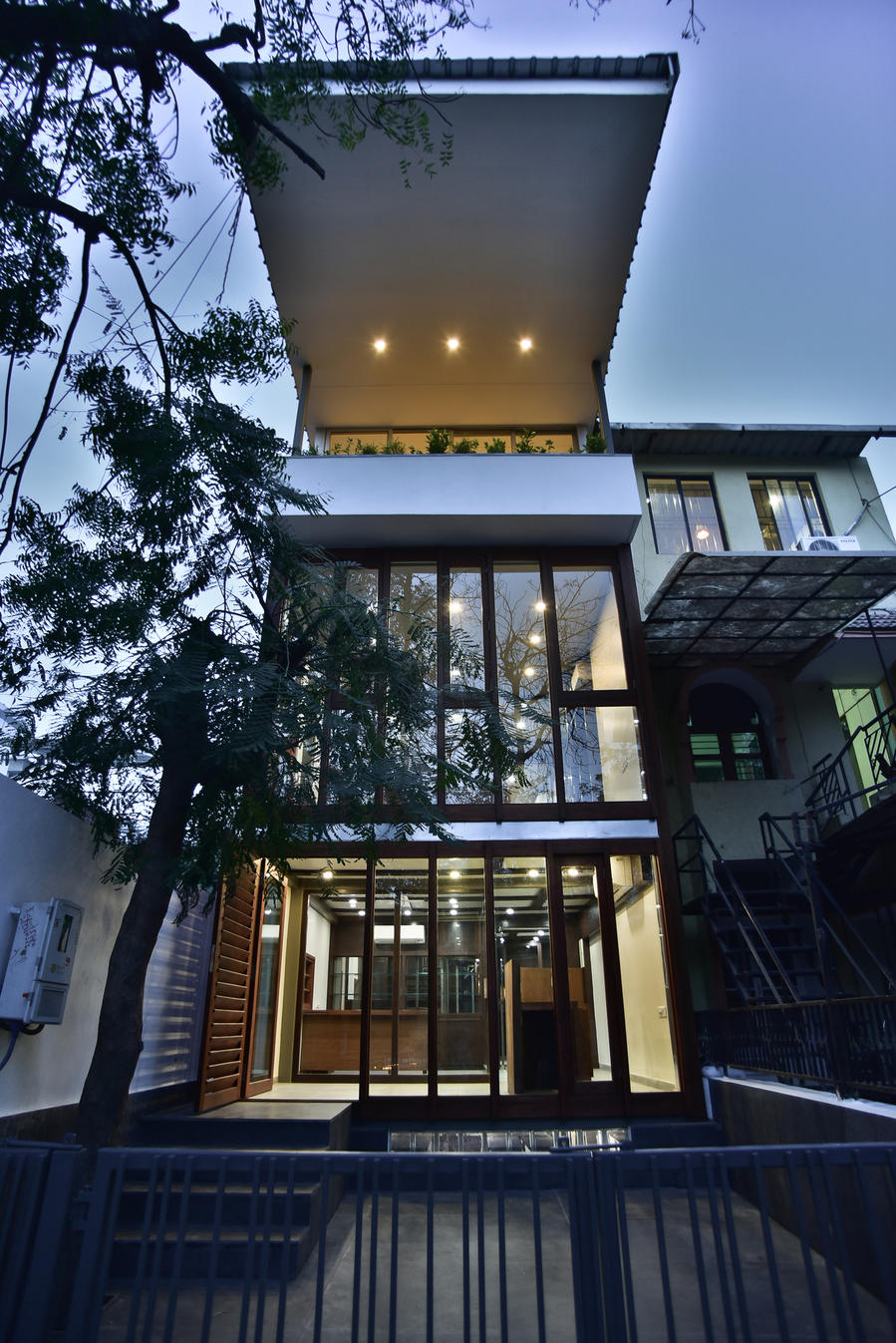
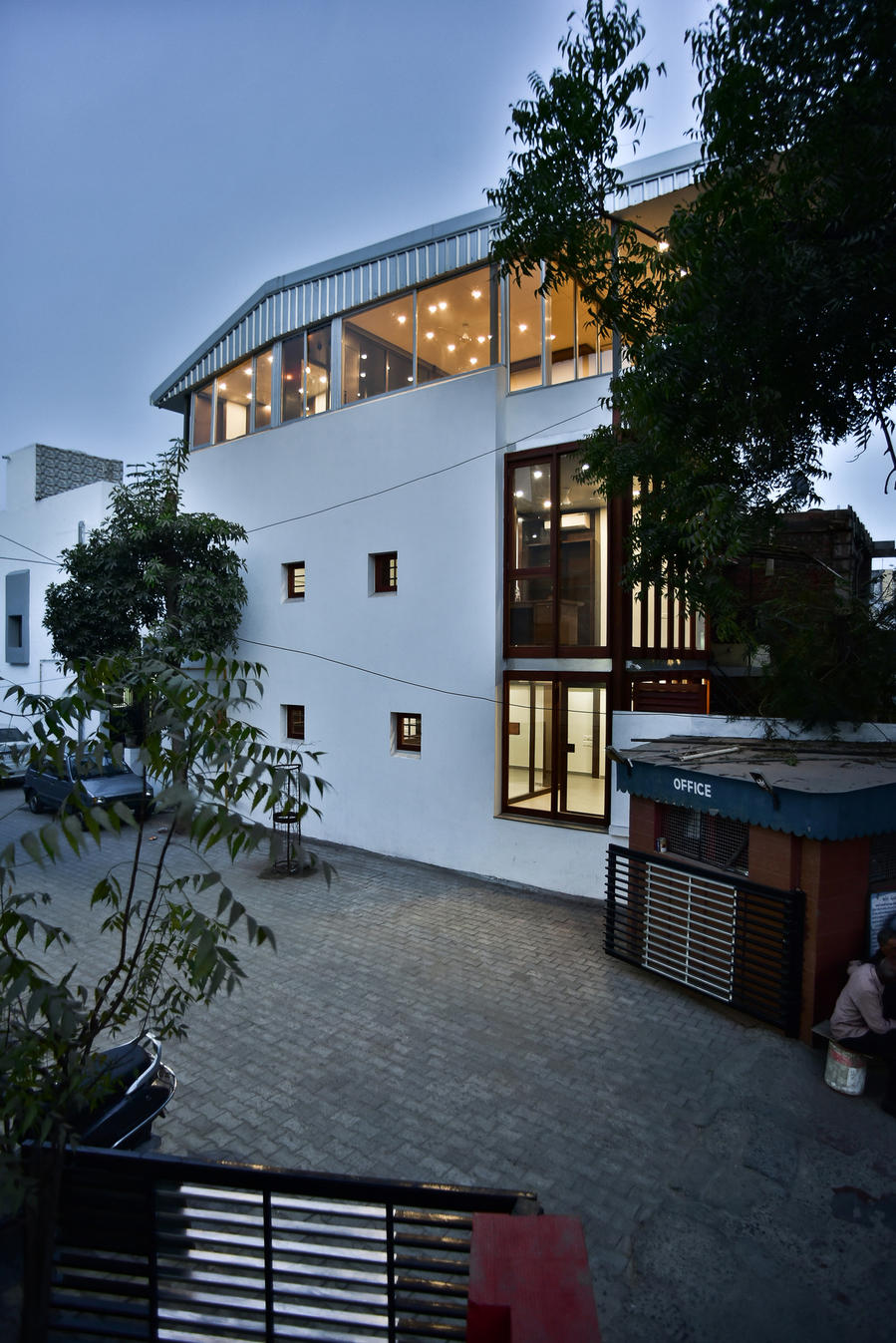
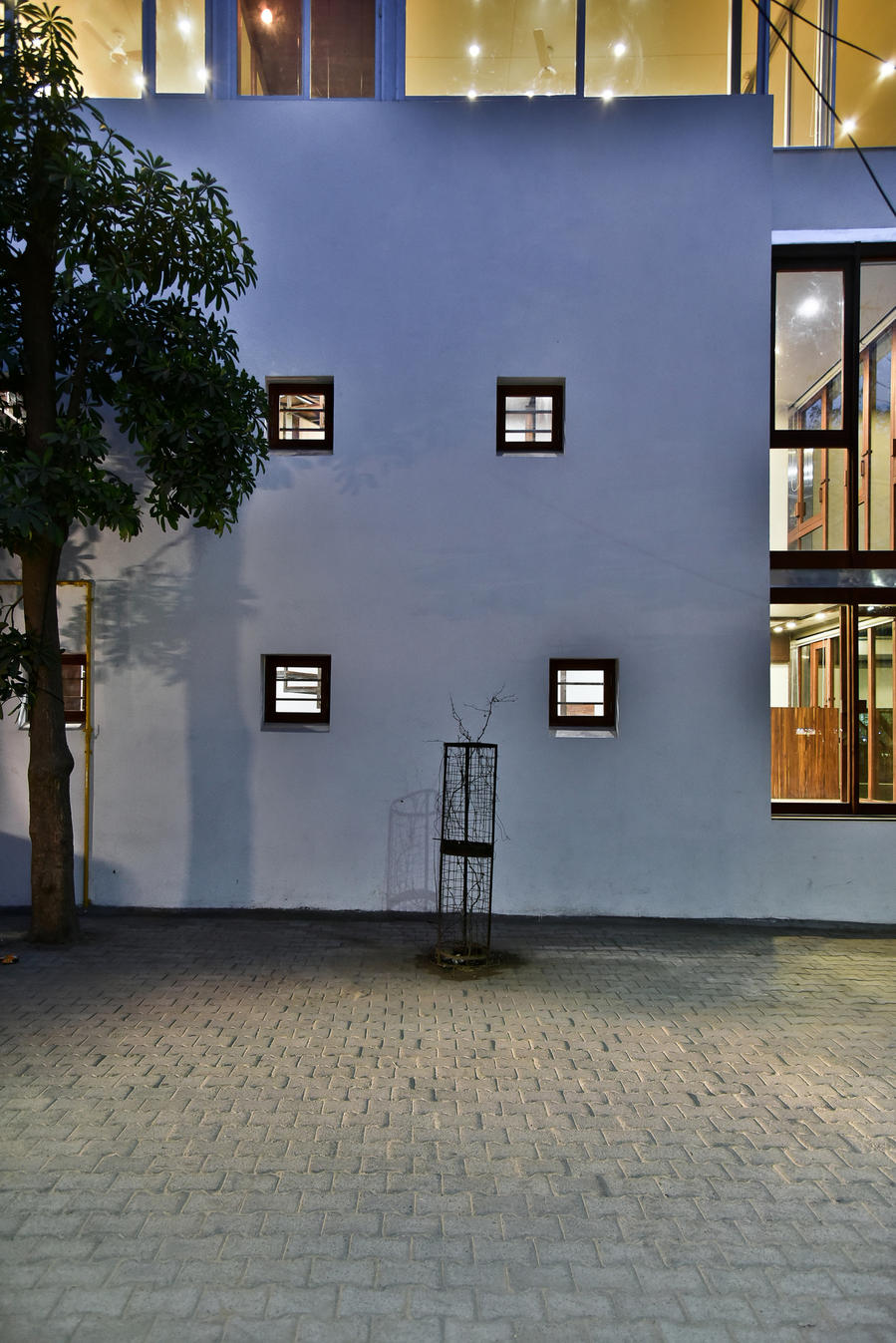
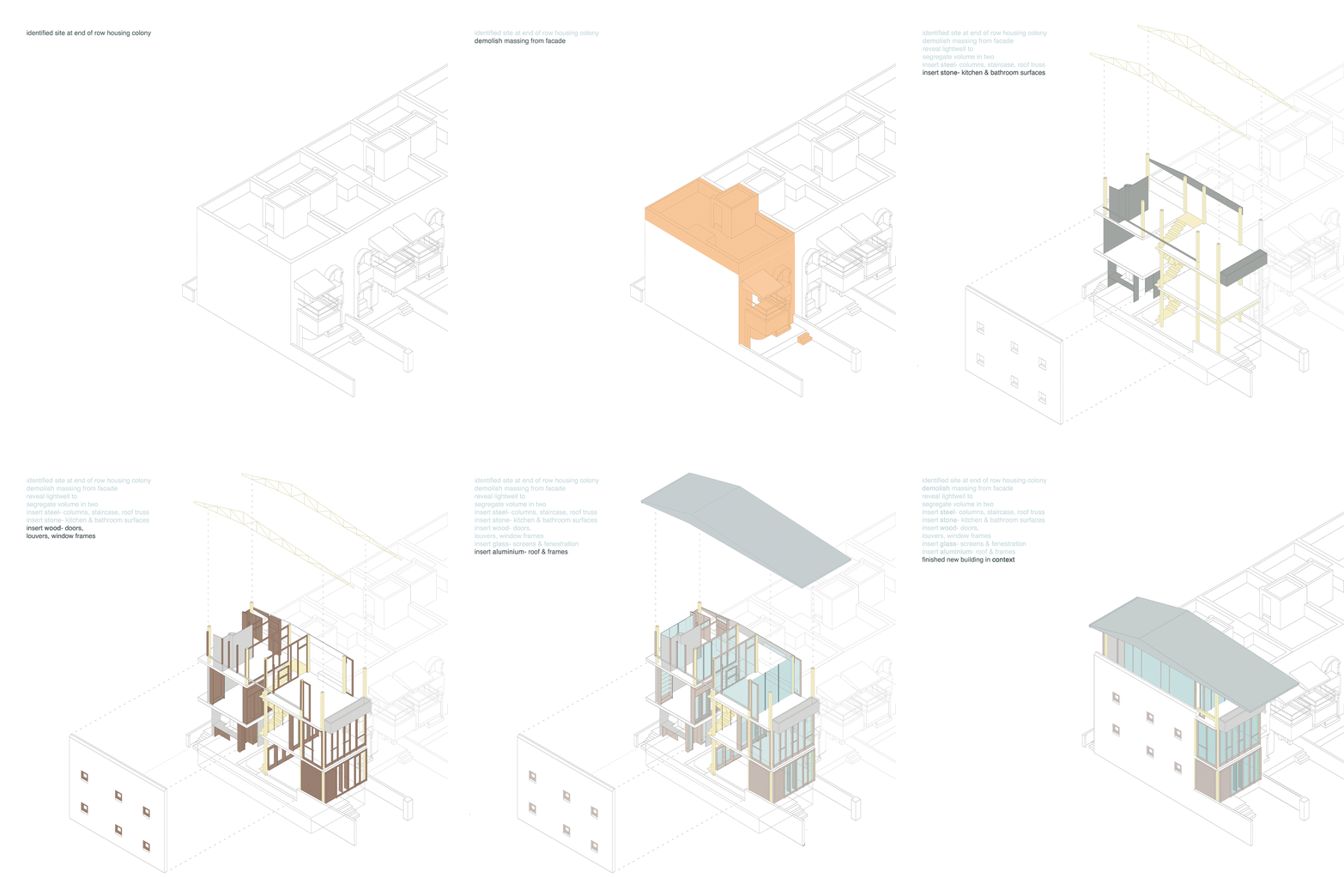
The law office adapts an aging, dingy row house to create a narrow new work space full of light. Lines between furniture, interior and architecture are blurred to generate a seamless habitable space, structured by the demolition of walls and insertion of a steel frame, which stabilizes the opened structure. A bi-centric spiral staircase of steel fills the cut-out that allows light to fall through all the floors. The work space extends above the building under the shade of an enveloping roof, which also ties the new framework and completes the operation.

Deesa, Gujarat 2016 – 2017
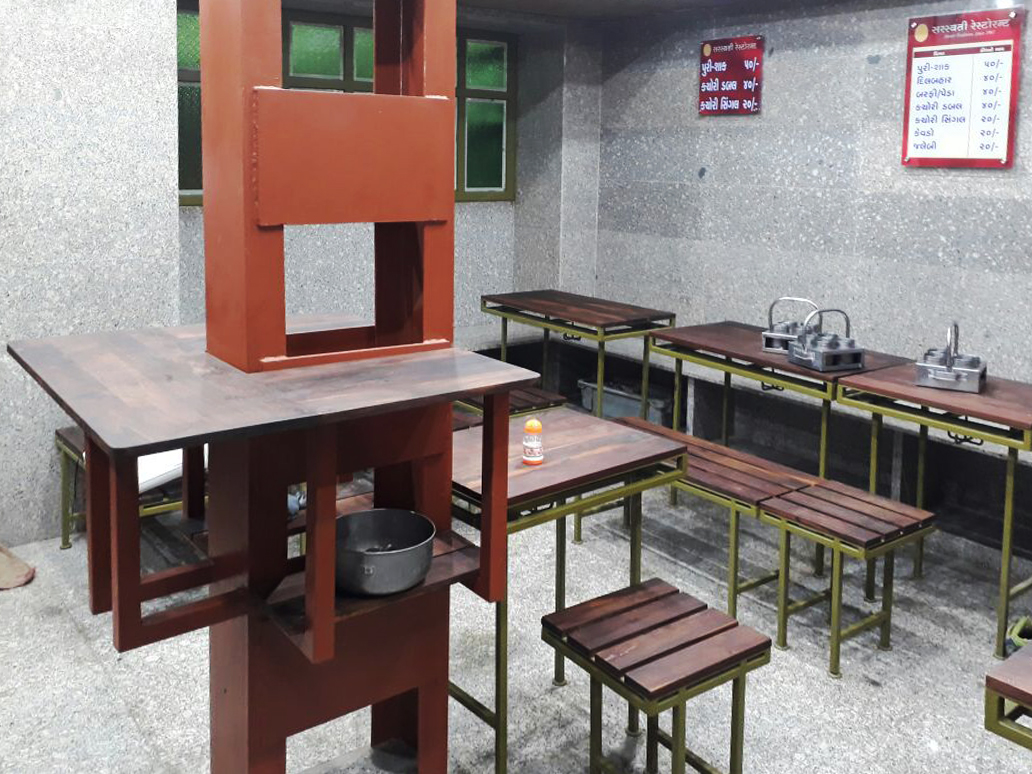
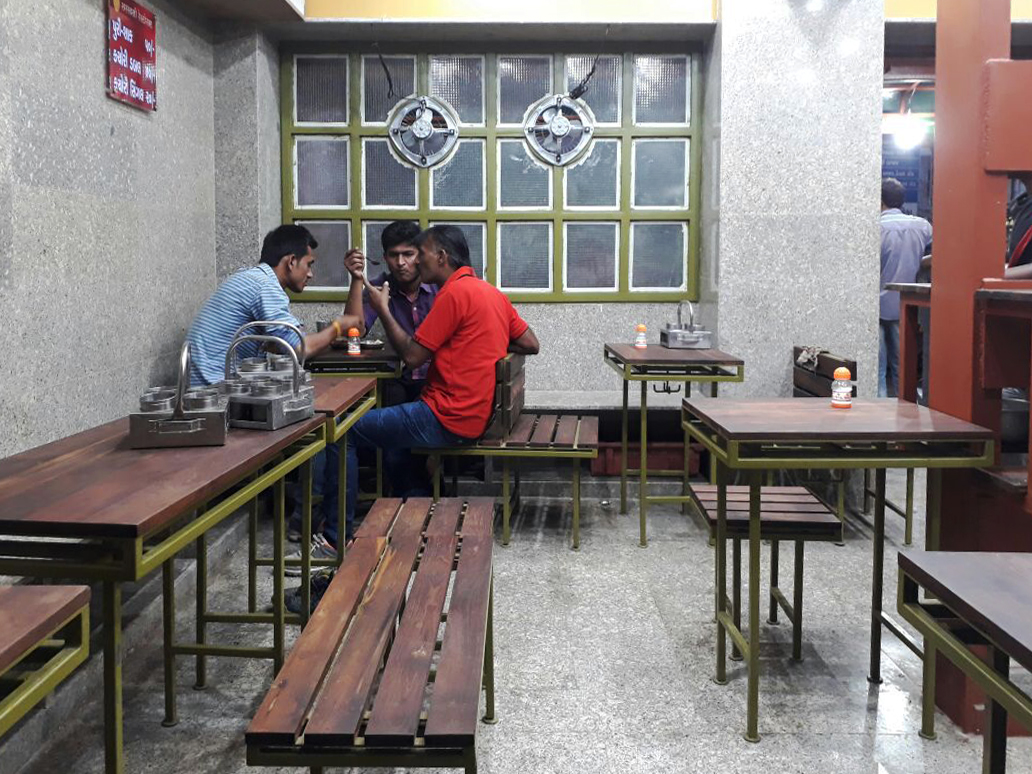
Saraswati Restaurant is an institution in the old town of Deesa. The story of its impeccable food reached far and wide, fueled by the fumes of bubbling puris in cast iron pots, and mouthwatering bataka nu shaak made from only the choicest of potatoes. For the past 50 years it has served the market town and its surrounding farmers a delectable set of dishes often at an astonishing rate of 3000 people per day in a space that seats 24 at a time. We helped them celebrate their anniversary by renovating their aging space.
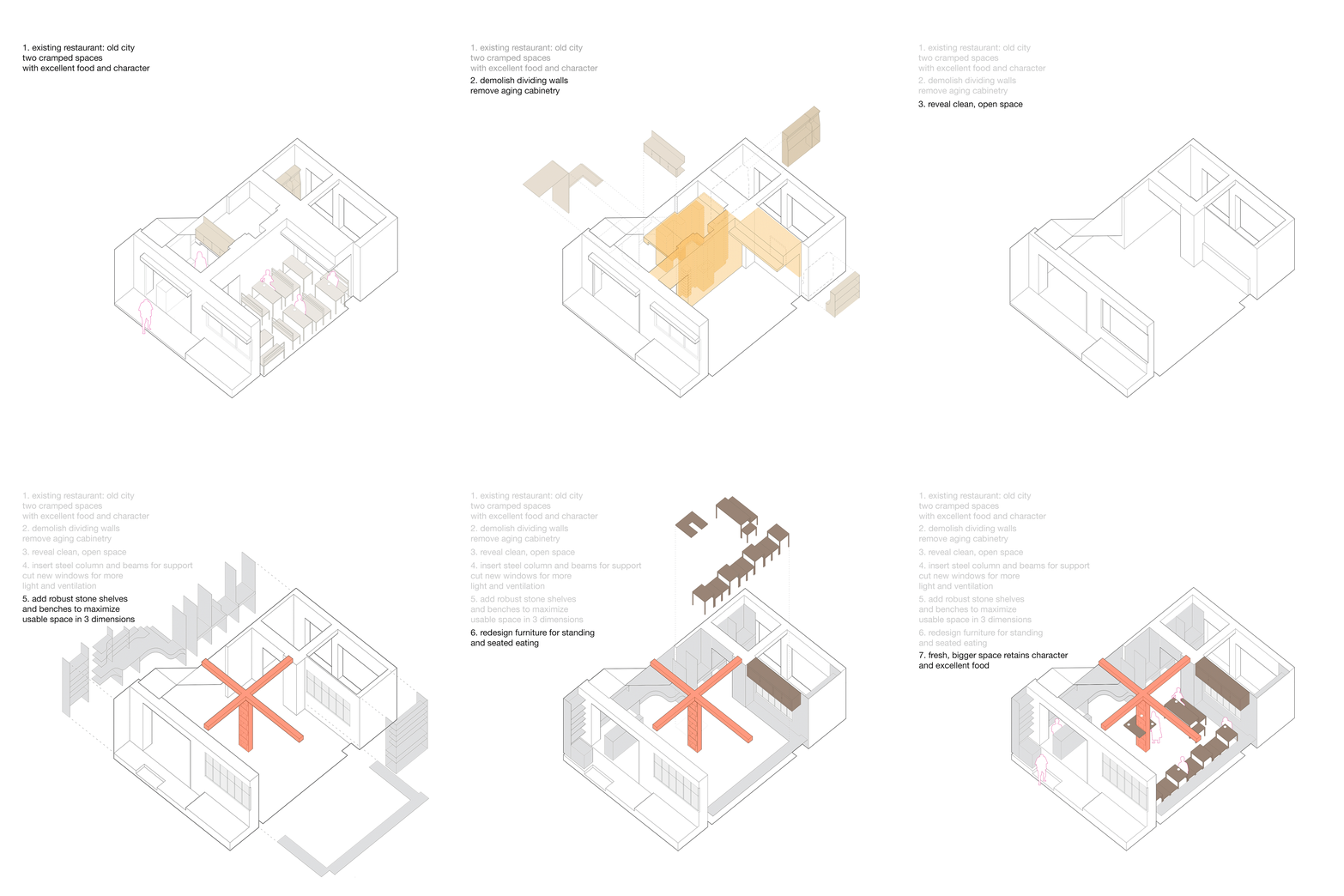
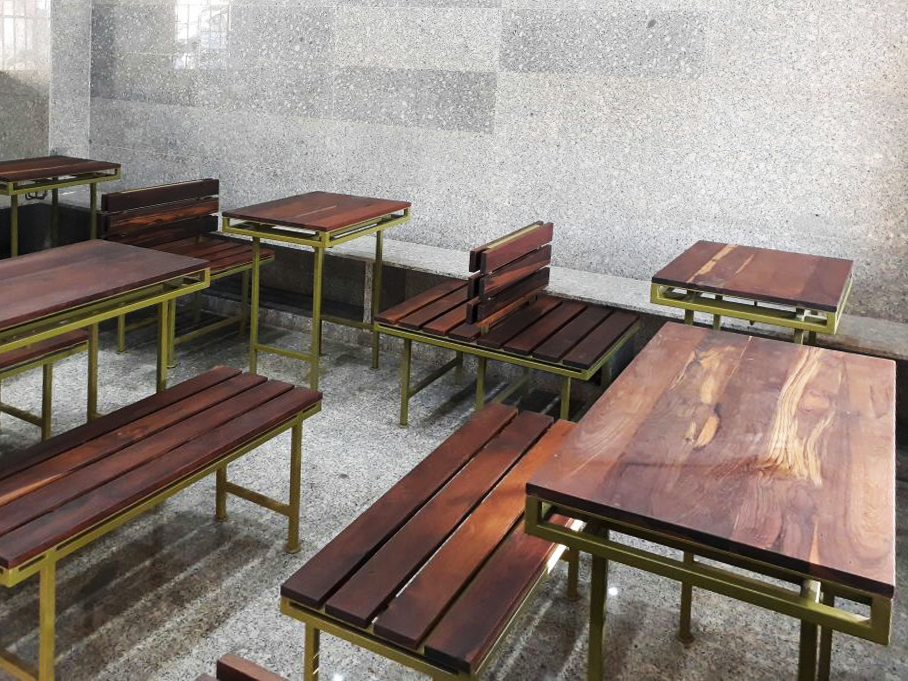
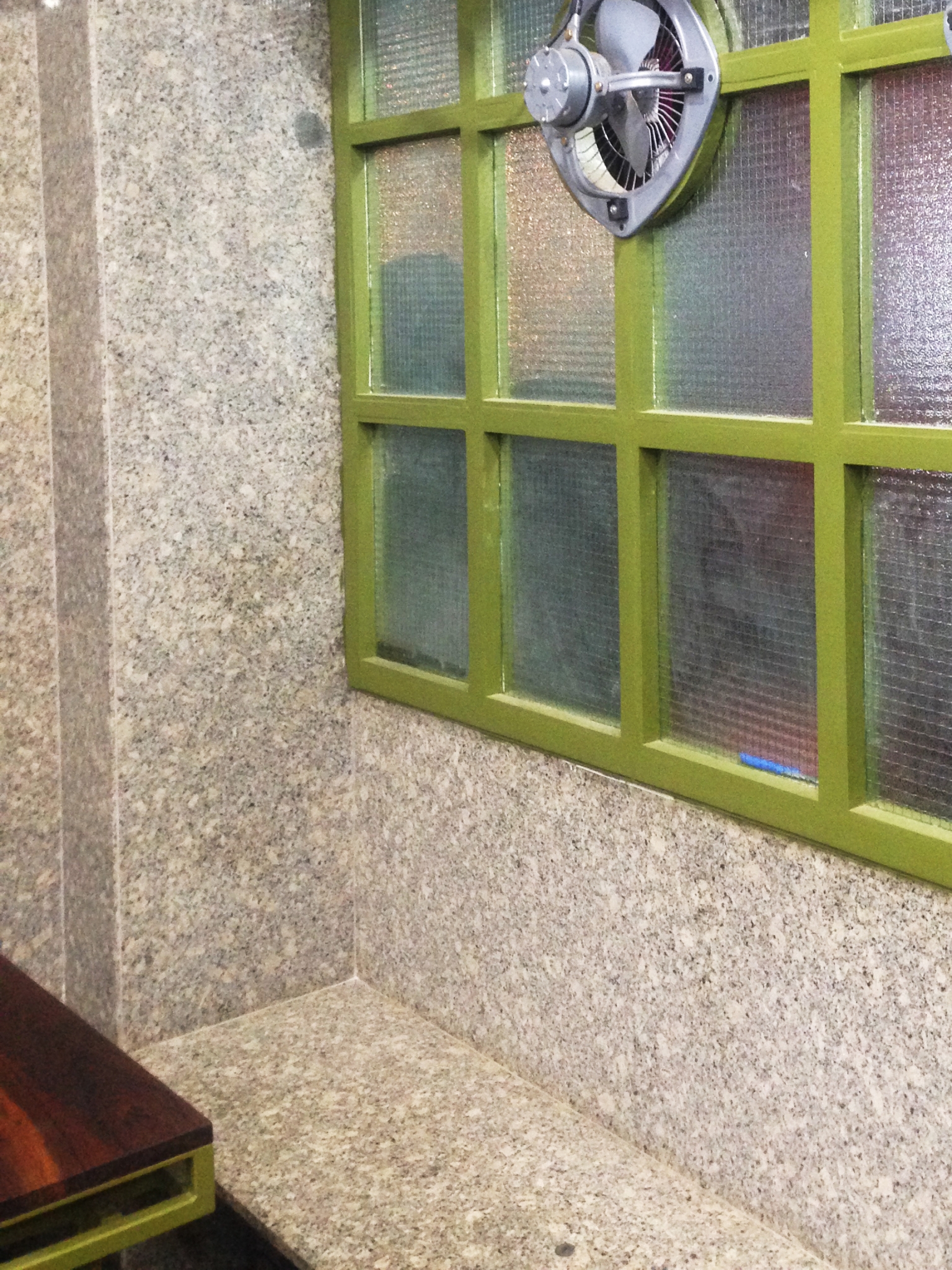
In the spirit of their menu's streamlined simplicity, the design is anchored on a cleansing of the space, to create a single, open room where once there were two along a passage. To do this, a load bearing wall is replaced with a steel column and beams that that double as a junction for intermediate storage in service. The combination of increased occupiable volume with a robust, sturdy granite led to the blurred lines between definitive functions, and amalgamated a unison of storage within structure, furniture within space, food within sanctuary.
Now, as cartesian void, demarcated by stone, melts away to its fluid counterparts, the farmer still finds himself juxtaposed between the urban chaos of the abutting street and a place of appetising repose.
Ranchhodpura, Gujarat 2010 - 2015
In many ways, this project is more about its making than anything else. For us, an opportunity to reflect on the contingencies of the design process—where they happen and how, at what scales they interact, and which points we must fix to let others remain loose.
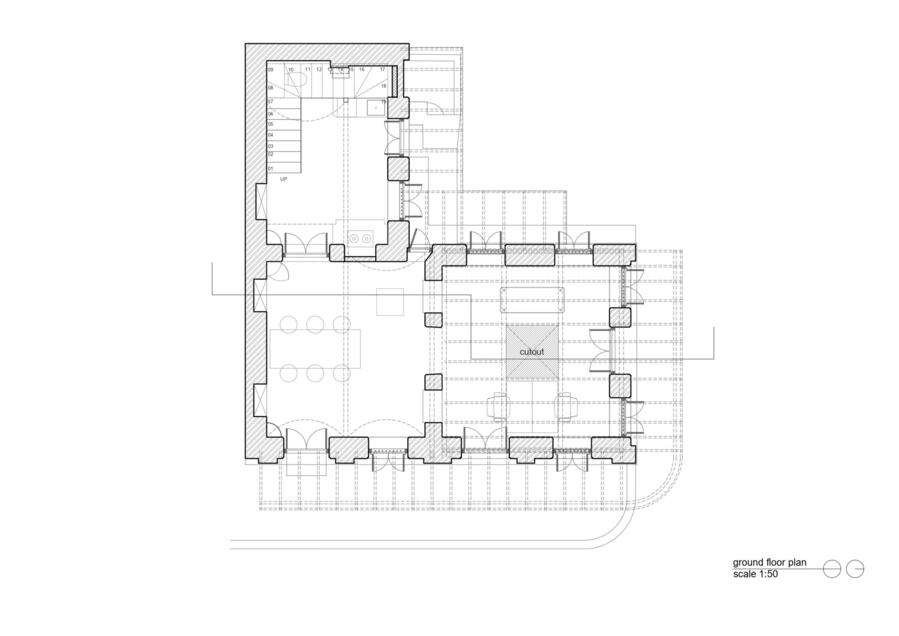
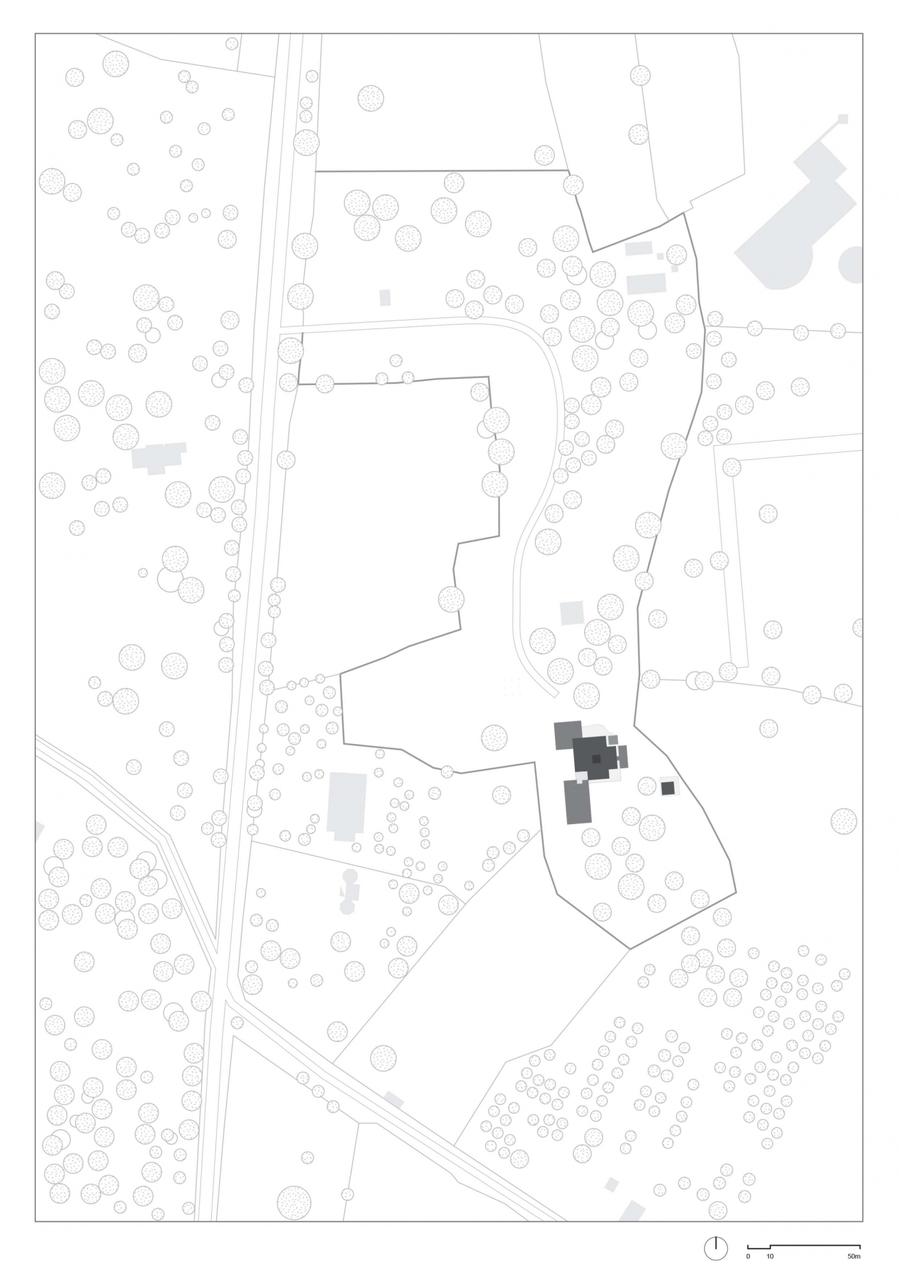
The house in the landscape was recreated from the pieces of a 300 year oldhaveli. In this structure we merge new and old systems of assembly, combining 18 inch brick walls in concrete frame with gutai lime plaster and restored telpaanifinished teakwood elements. The basic form follows the original courtyard layout, flanked by bedroom, kitchen and mezzanine, while the wrapping terrace and sunken entry extend into the spaces outside, to transform the original row house layout into a part of the landscape.
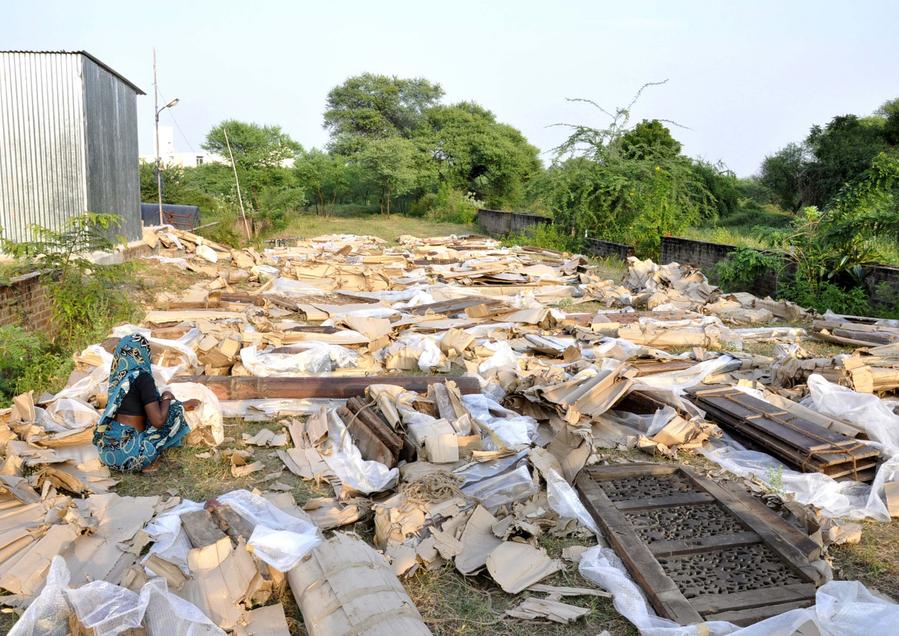
The process began with a video, taken by an owner ready to demolish a termite damaged but beautiful row house in northern Gujarat. Normally when this type of house is destroyed its parts of value are sold to various antique dealers. Instead, our client acquired the entire house, packed up all its parts, and stored them on his property near Ahmedabad. We began the conceptual design process with the video and a short list of elements with their basic dimensions. Only after agreeing on the direction of the design did we take one day (because we couldn’t risk the damage or theft associated with leaving elements out all night) to unpack as much as we could and measure critical dimensions. Already there we found many pieces not present in the list, and barely covered in the imagery. From those basic measurements we drew up the elements and developed the design. The first time we could completely open the elements and start to puzzle them out came after the columns, roof and plinth were finished. It was then that we began the conversations with our carpenters about what, where and how, given the basic framework of the courtyard we had seen and planned. As elements were unearthed, projected locations shifted to accommodate new pieces, or to hold related parts. We gradually moved away from drawings, making more decisions on site, because the argument couldn’t be divorced from the place and the artisan’s perspective.
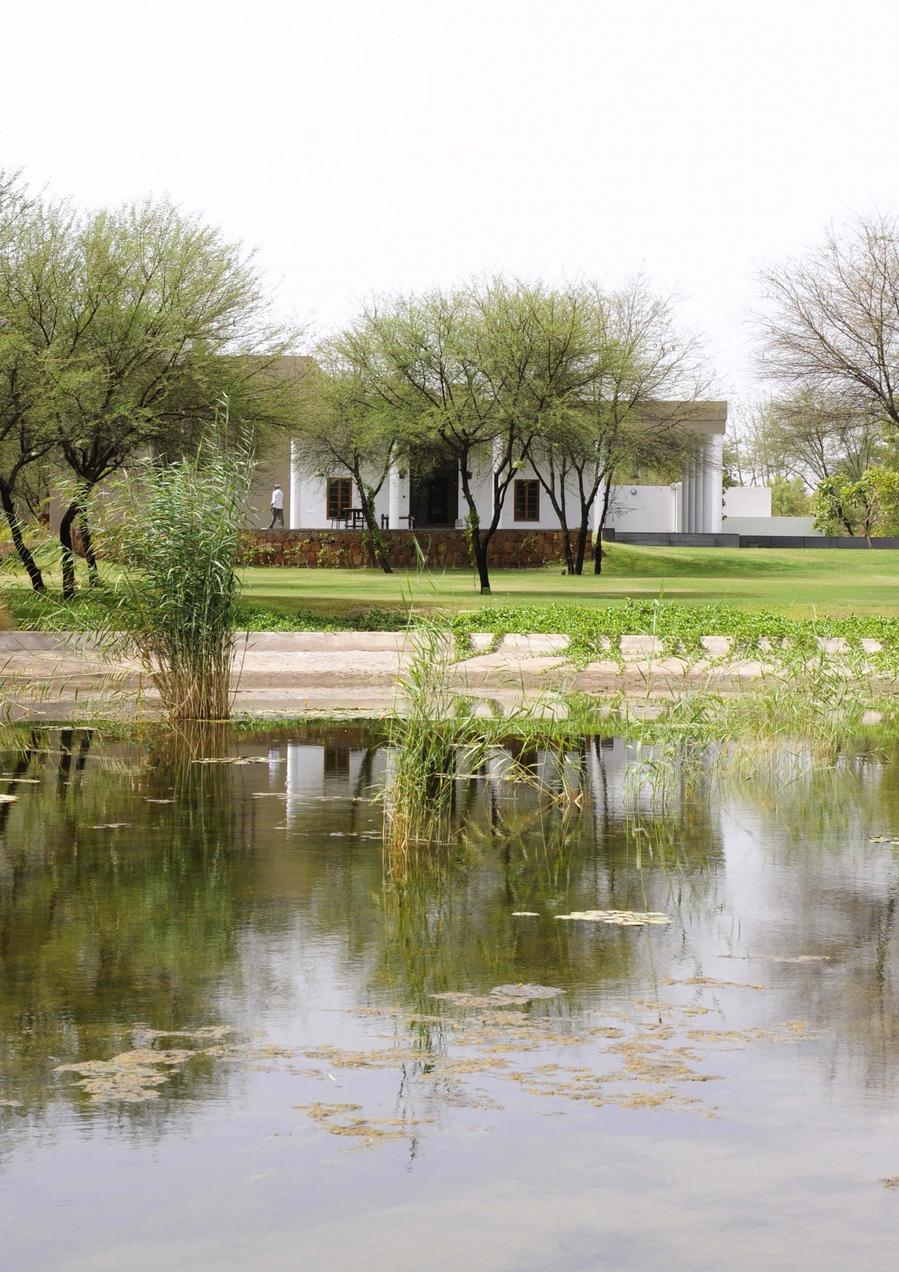
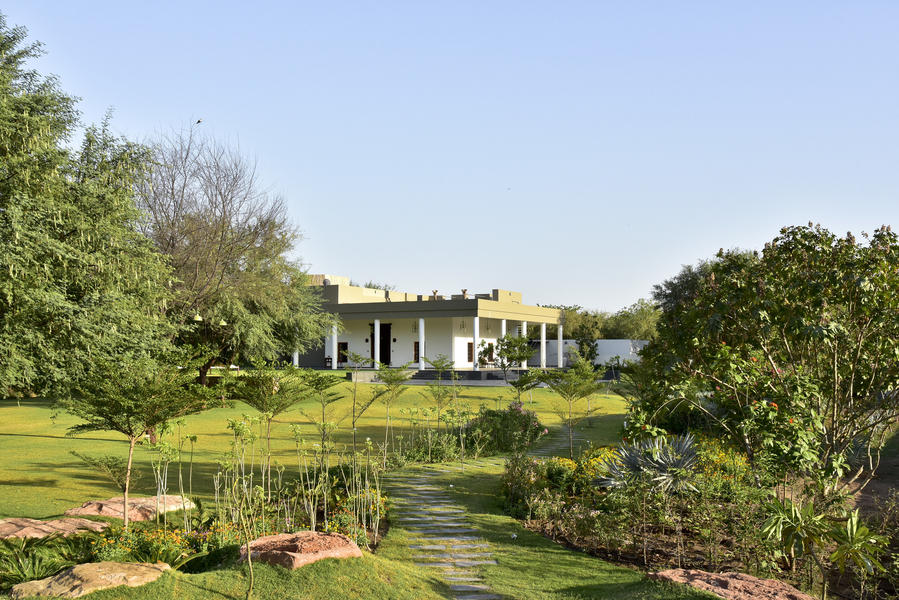
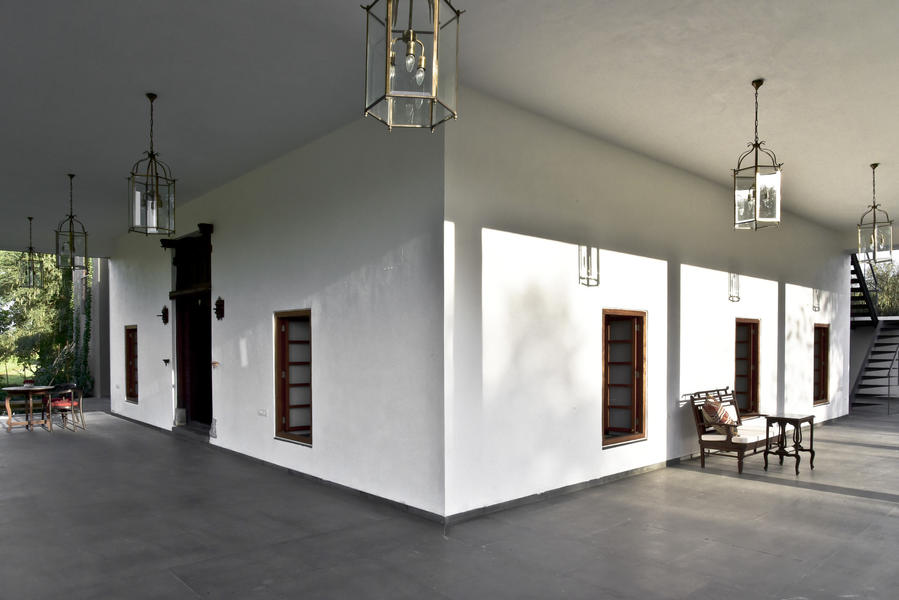
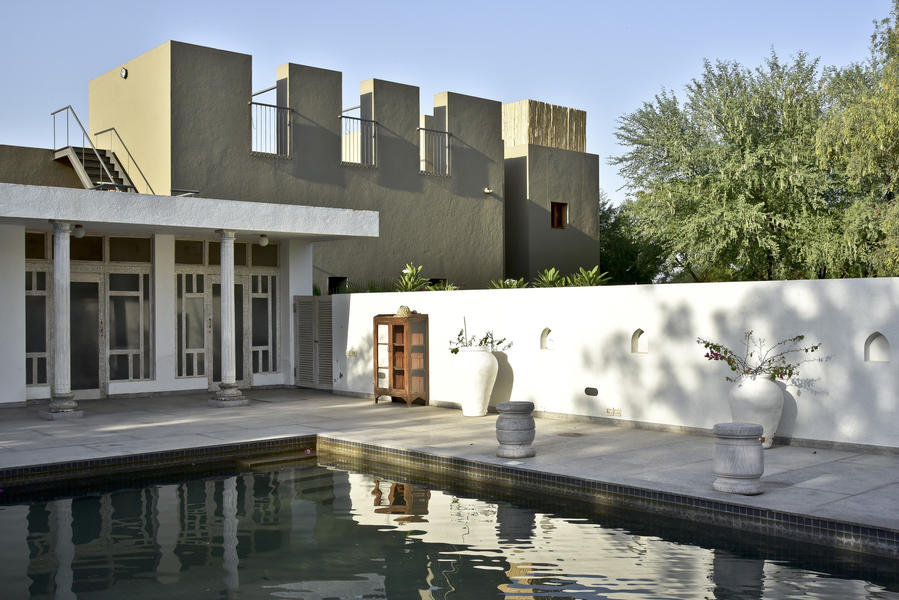
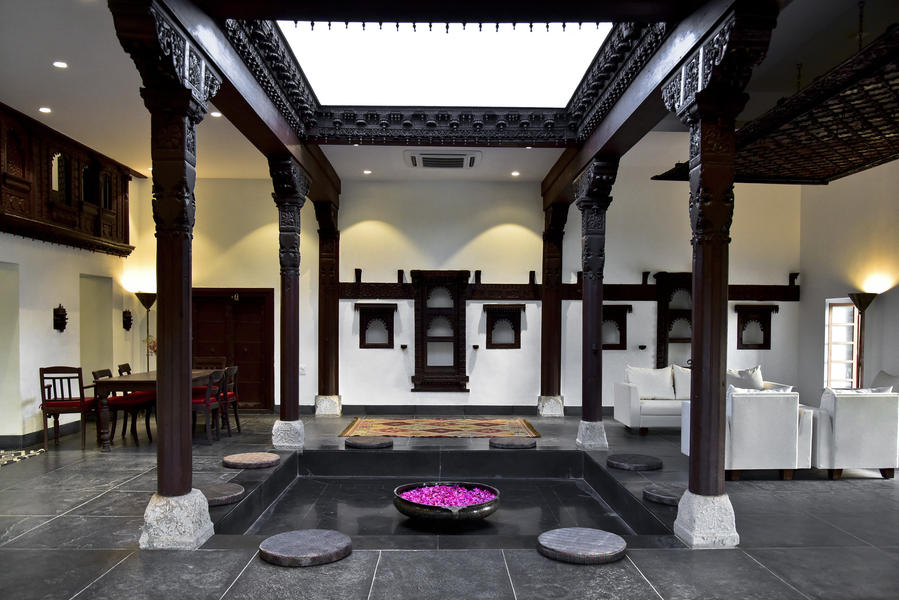
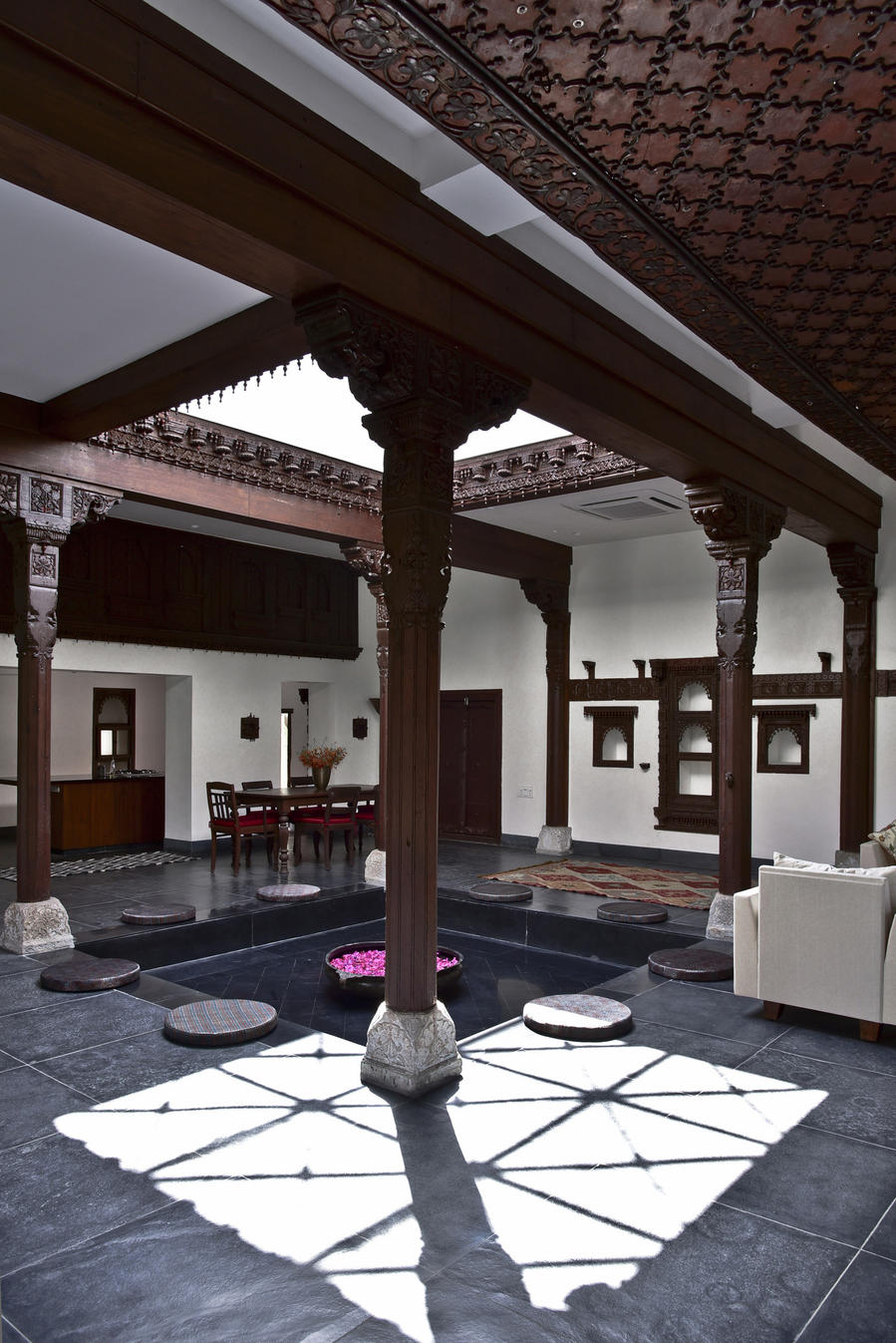
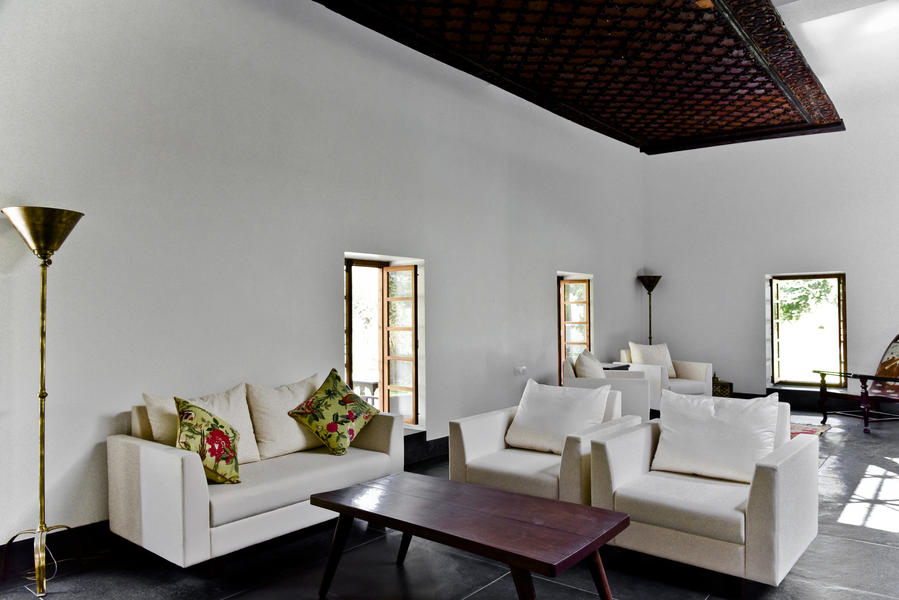
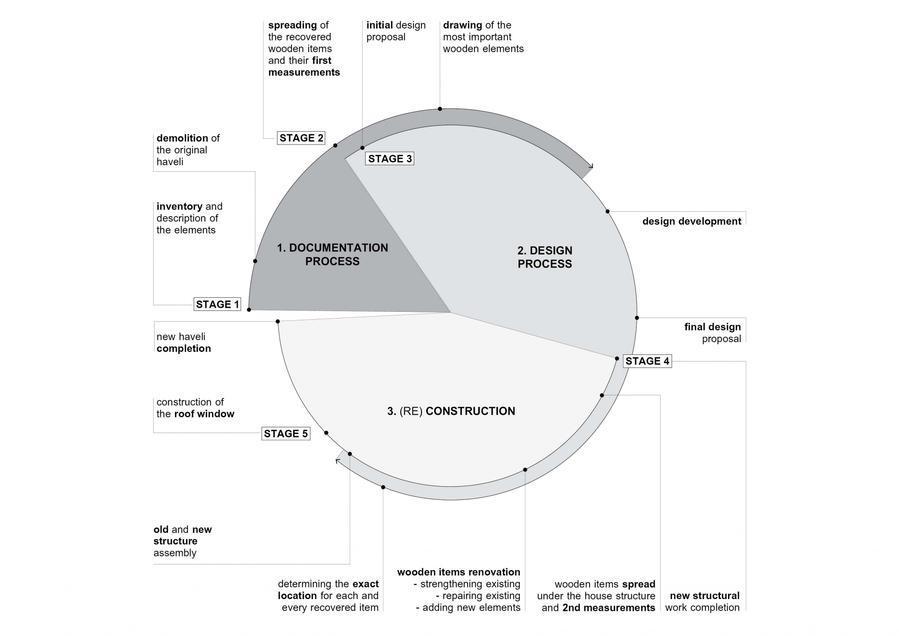
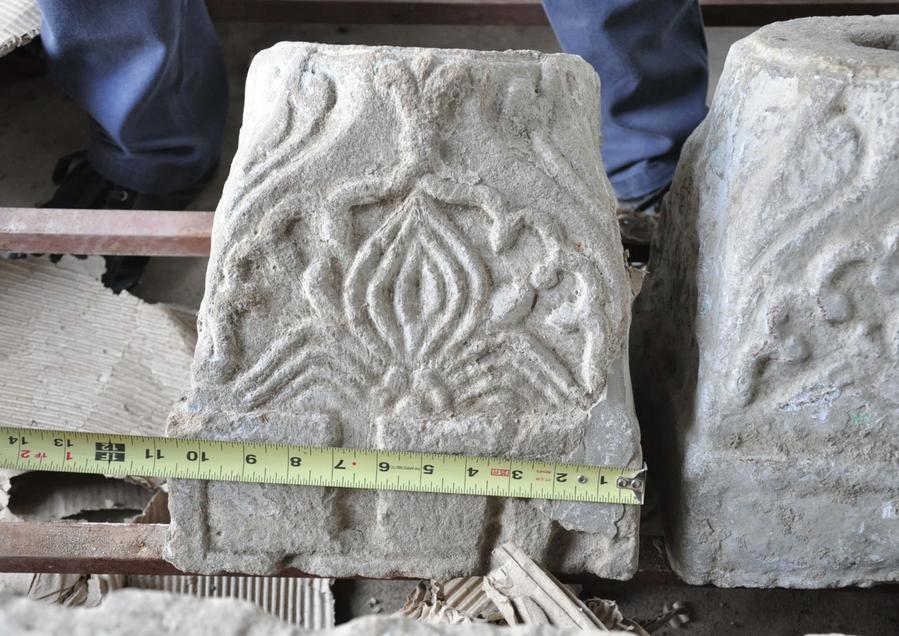
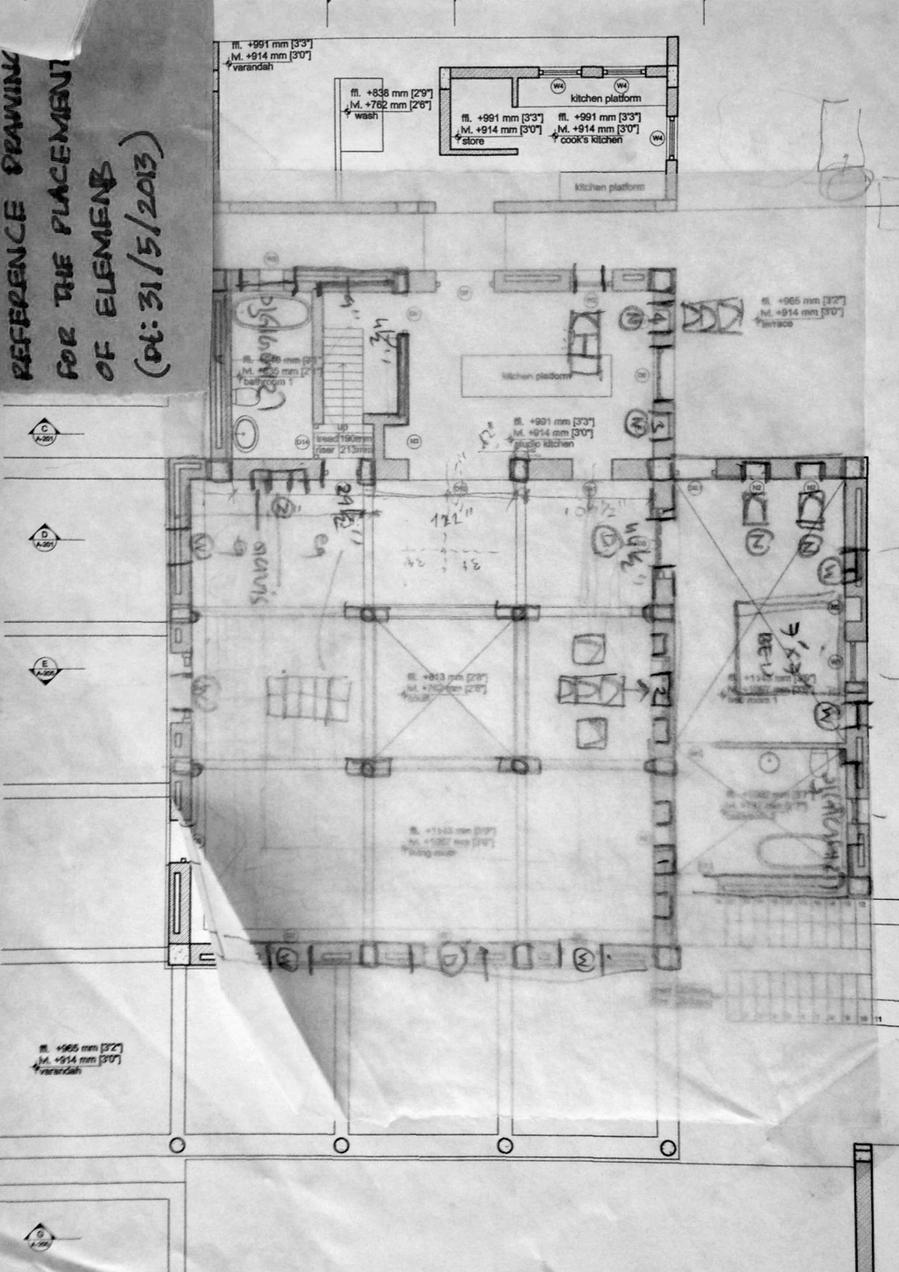
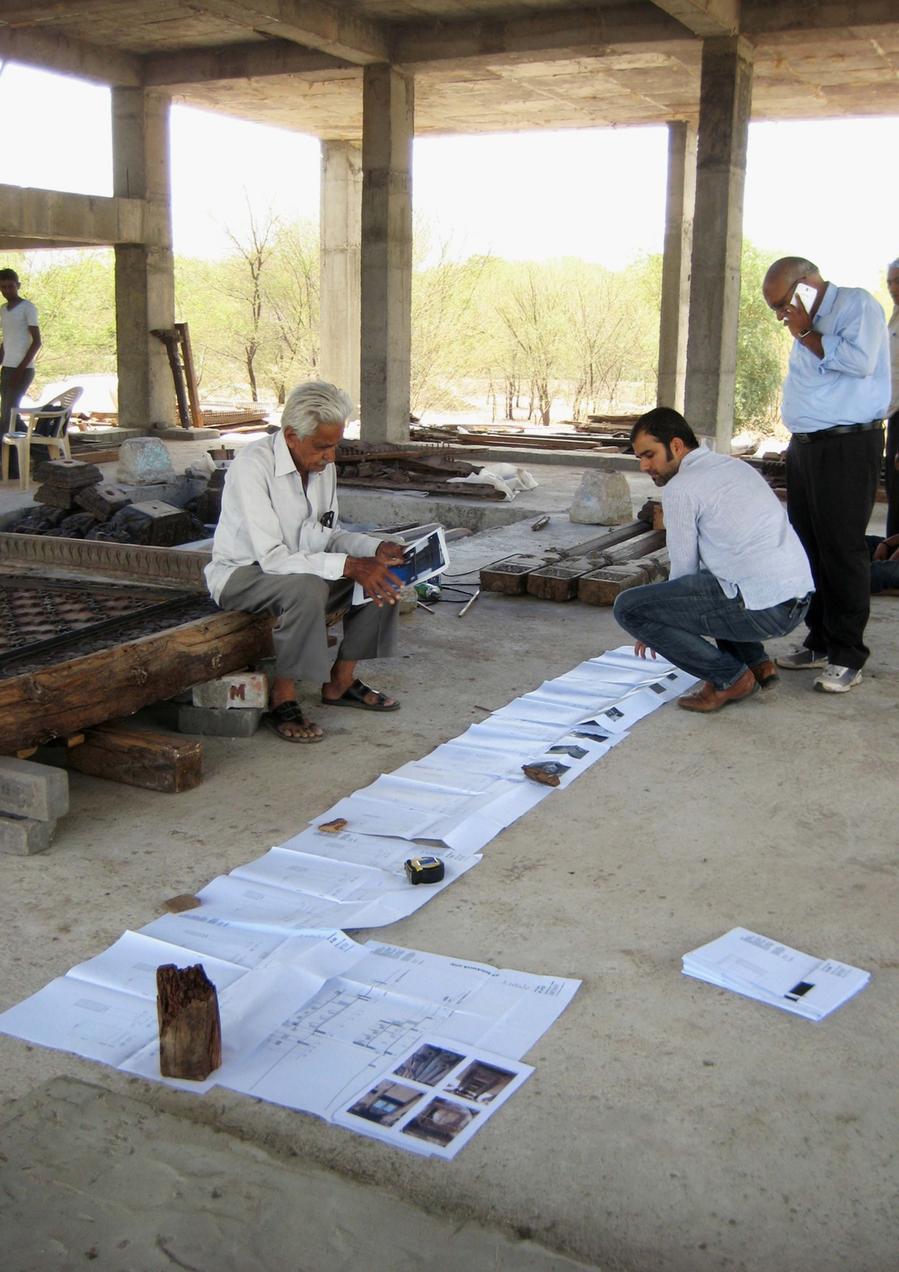
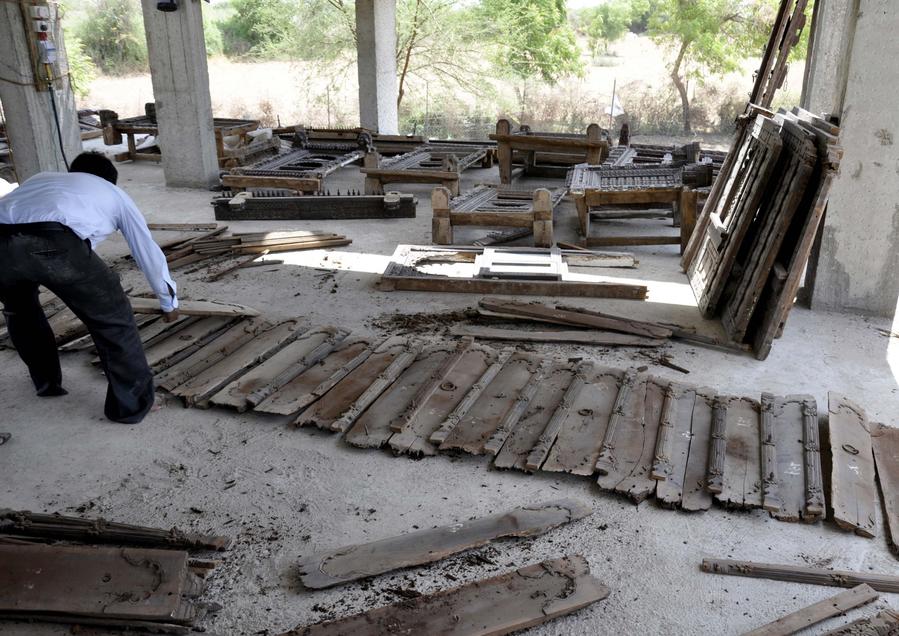
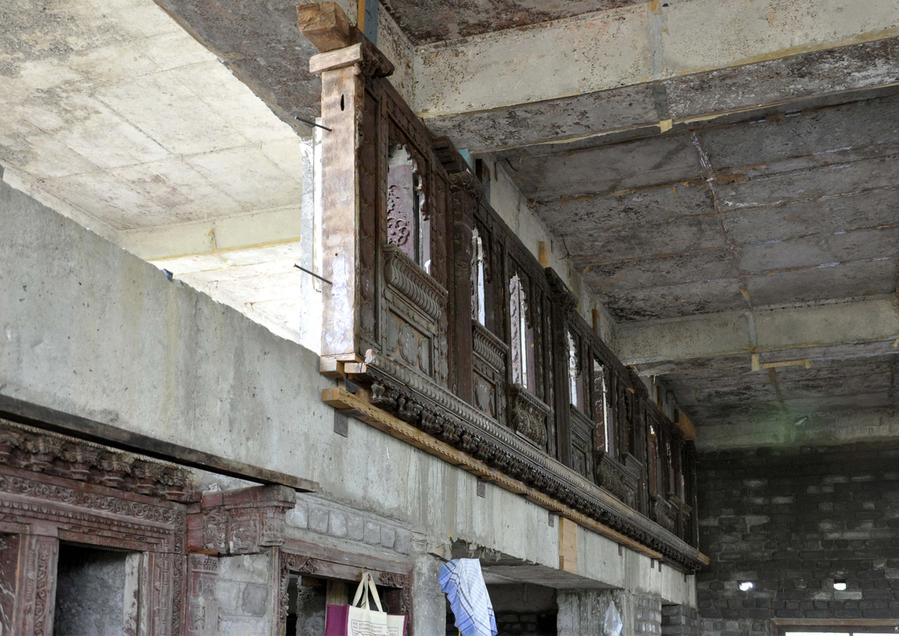
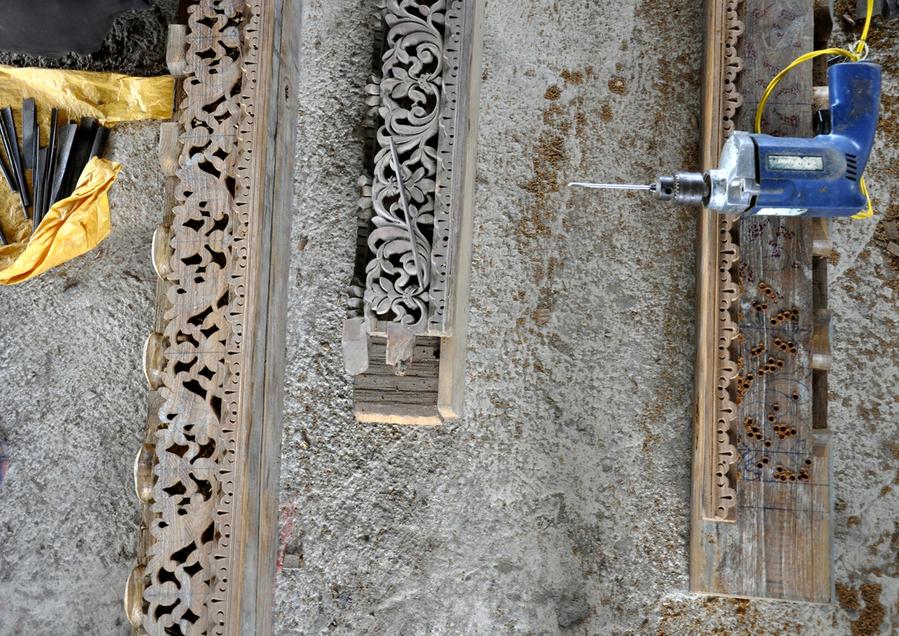
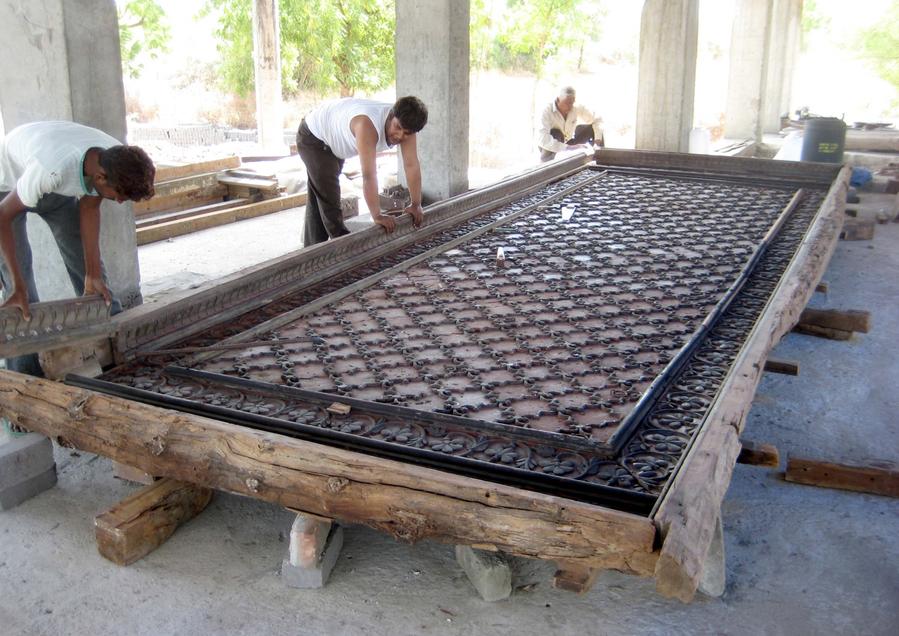
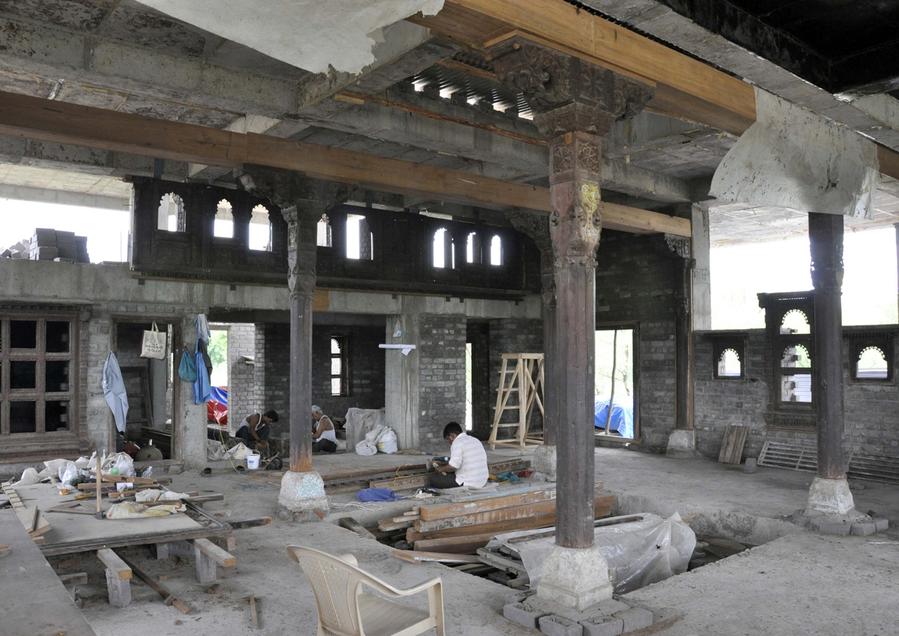
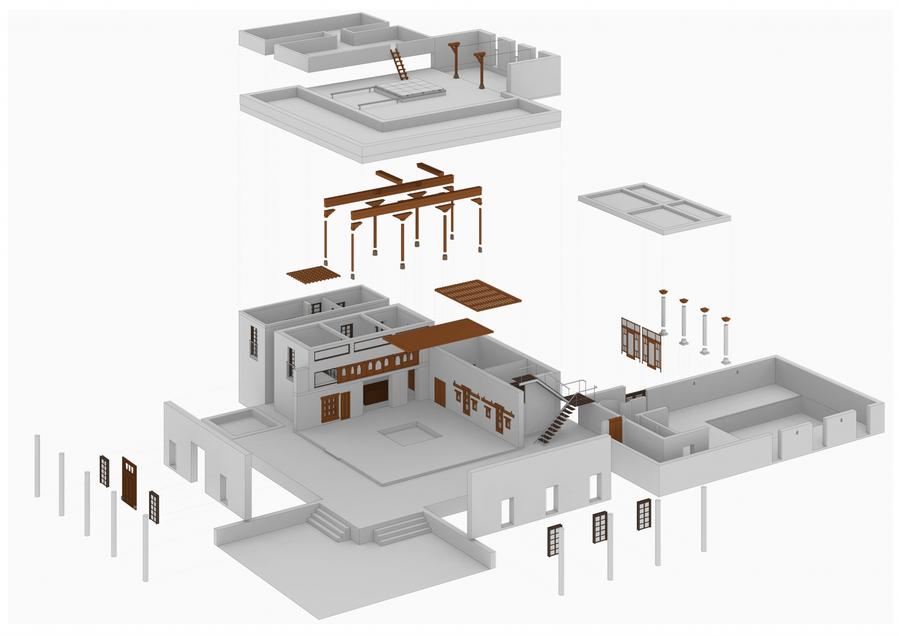
Here the logic of new and old coming together was reflected in the process by which they were made. Old elements needed conversations, placements, and at most, hand drawings. Their unique form and dissimilarities rendered digital drawings complicated and unnecessary, while the new elements, inserted alongside old in the structure, were designed, drawn and executed according to a more typical practice of construction drawings and site checks. These parallel processes resulted in an intensely site driven design, which evolved as much during its process of construction as during its so-called design phase.