Ahmedabad, Gujarat 2014
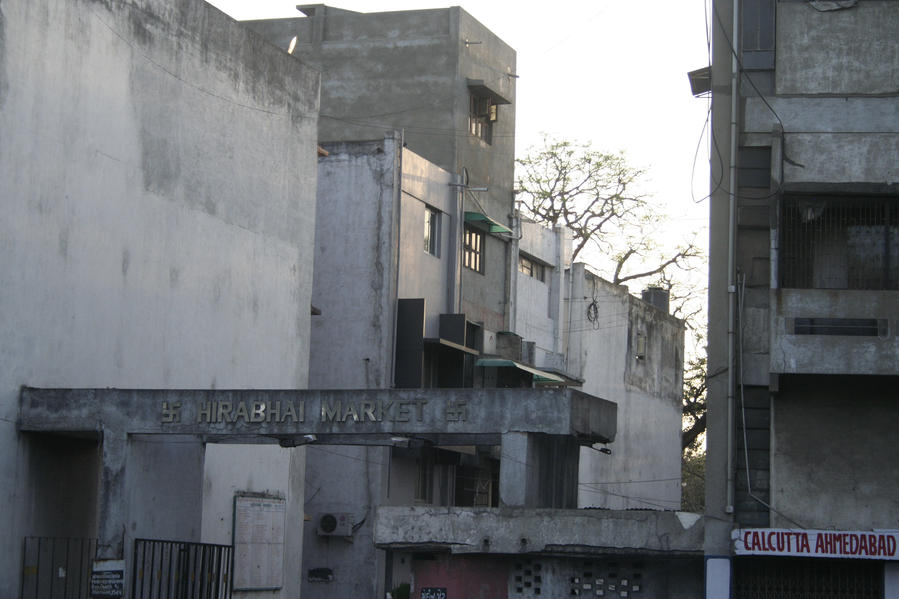
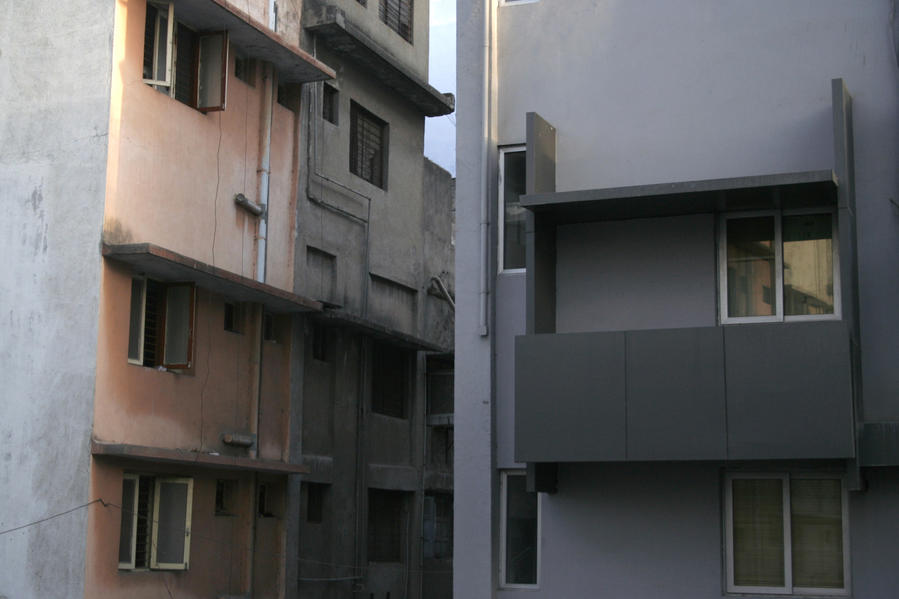
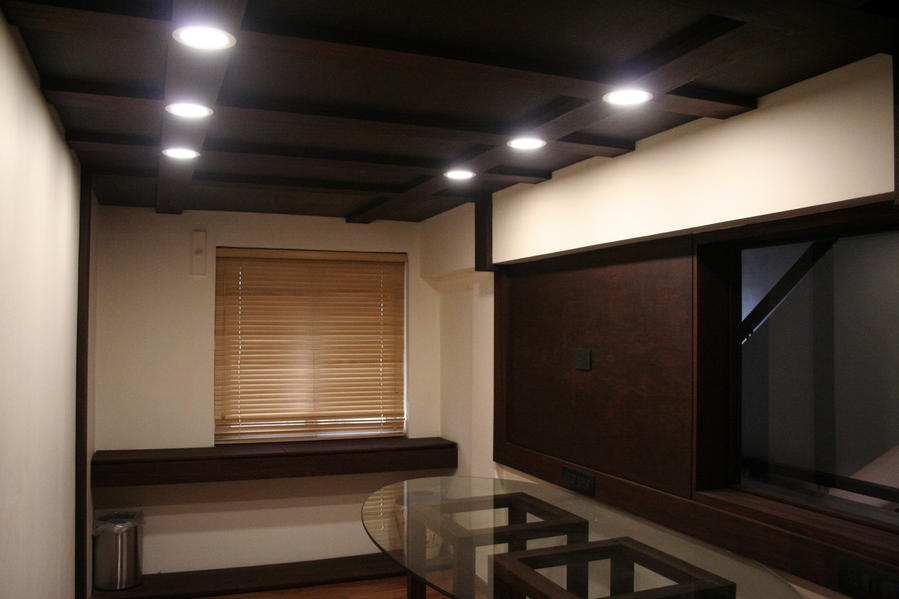
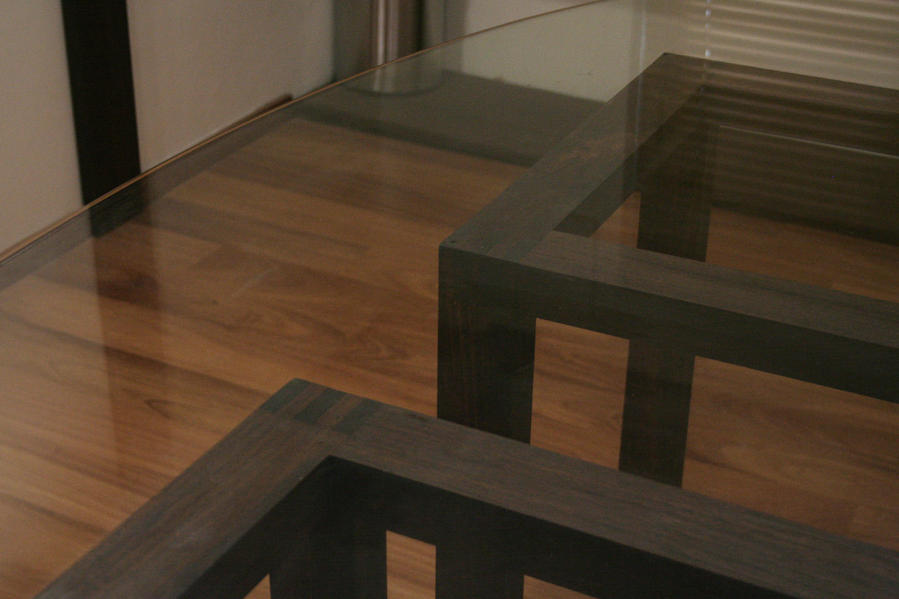
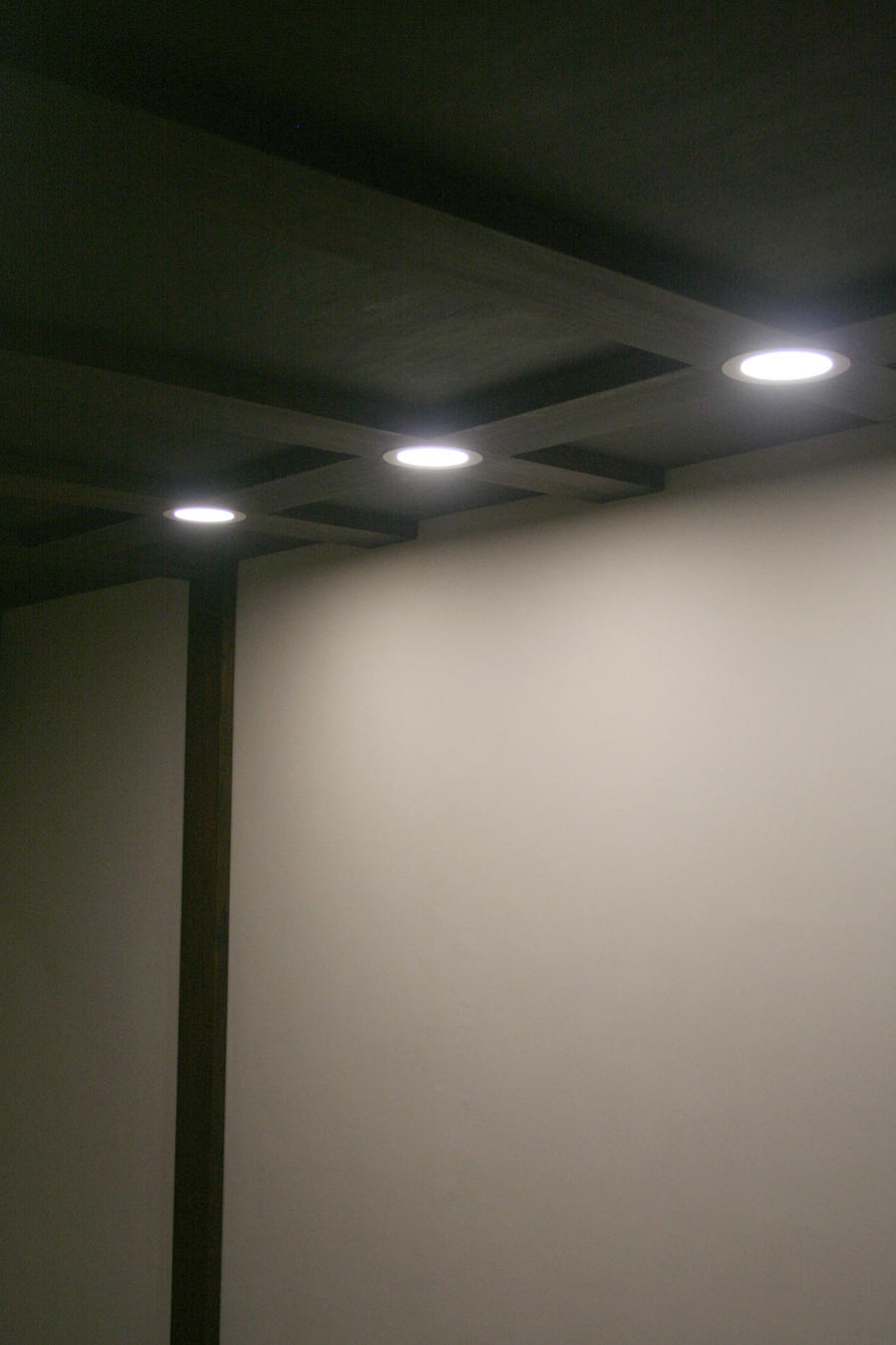
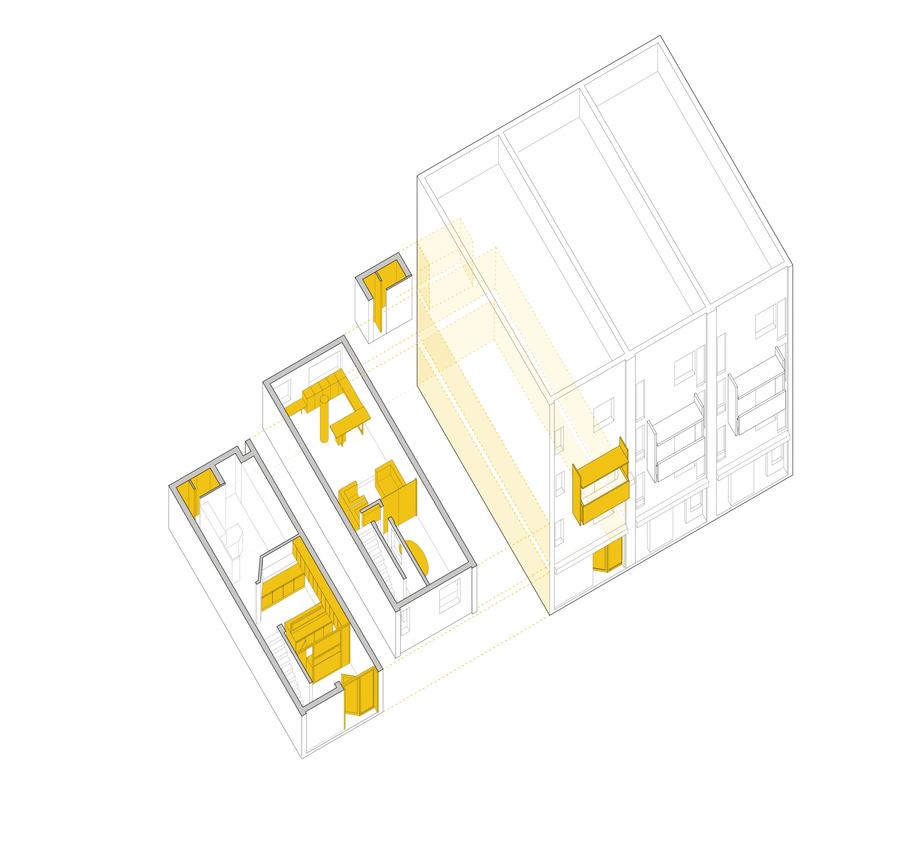
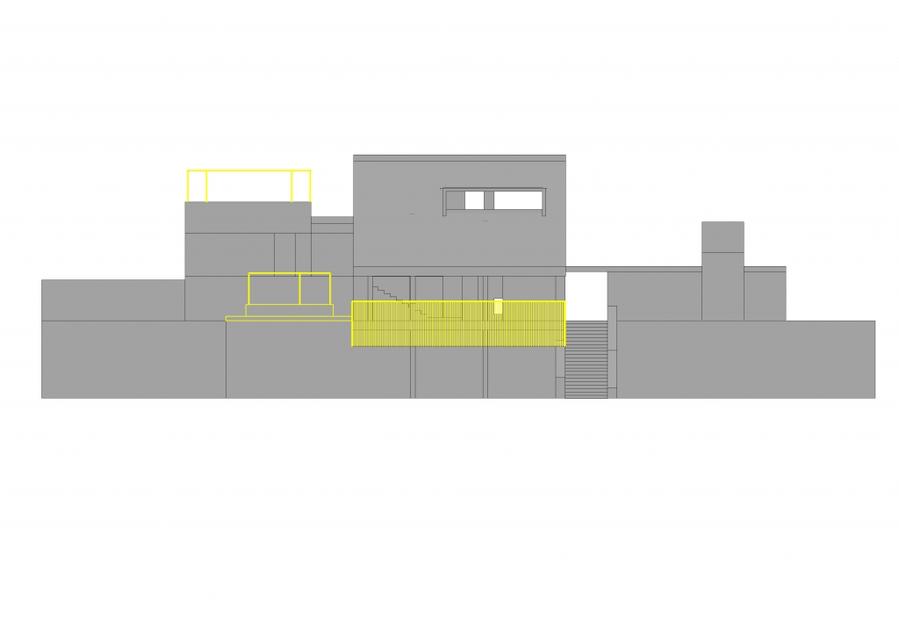
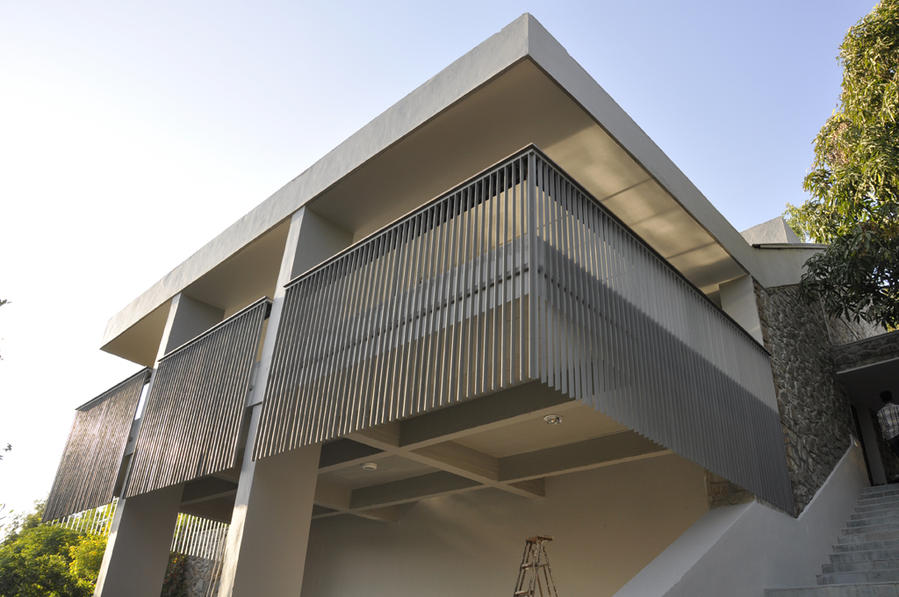
Set in an old market for textile offices, this project intervened in restoring a damaged concrete facade by translating the balcony requirement into a lighter, steel and aluminium cantilevered structure that still falls in line with its ageing neighbors. Inside the office, simple wood joinery and detailing resurfaces the space, and cleanly organizes the interior systems.
Ahmedabad, Gujarat 2012 - 2013
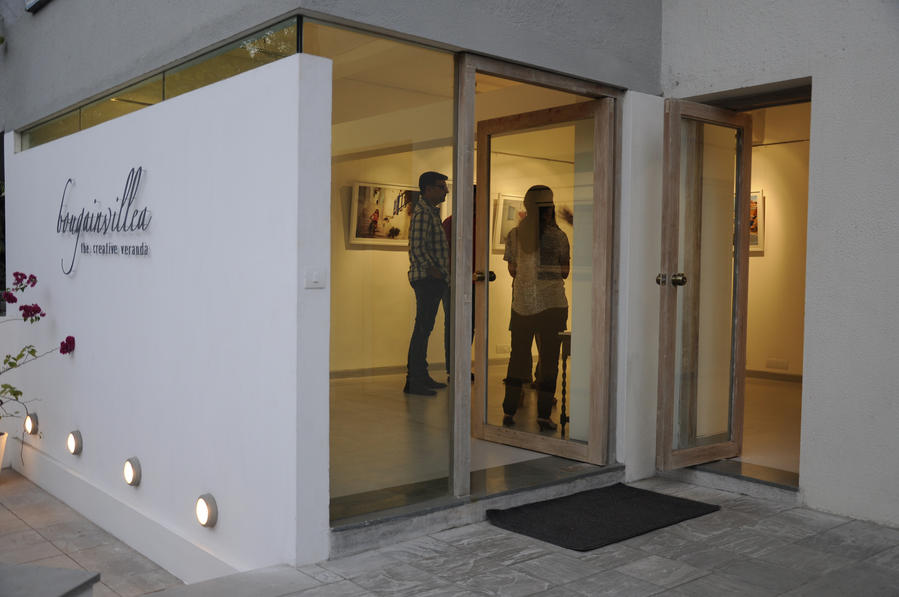
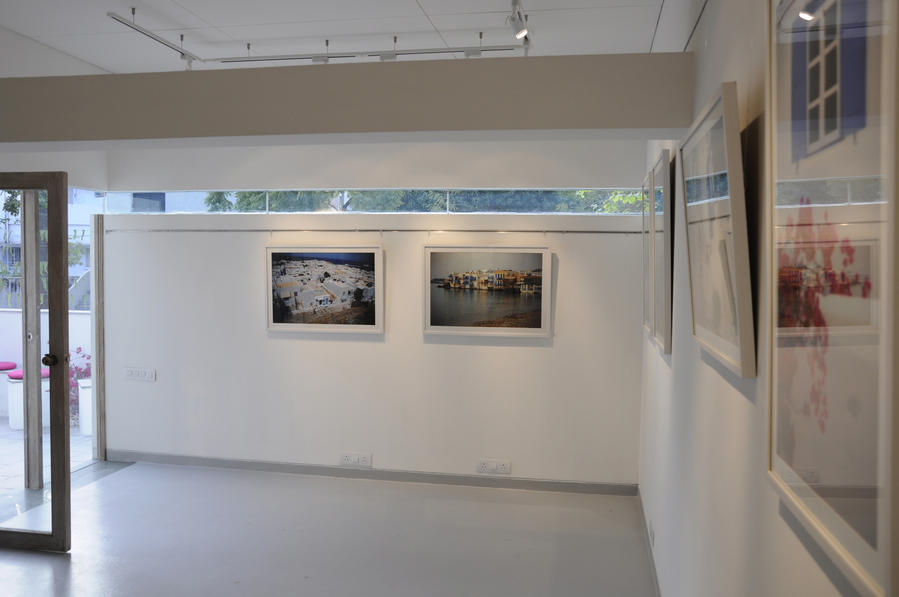
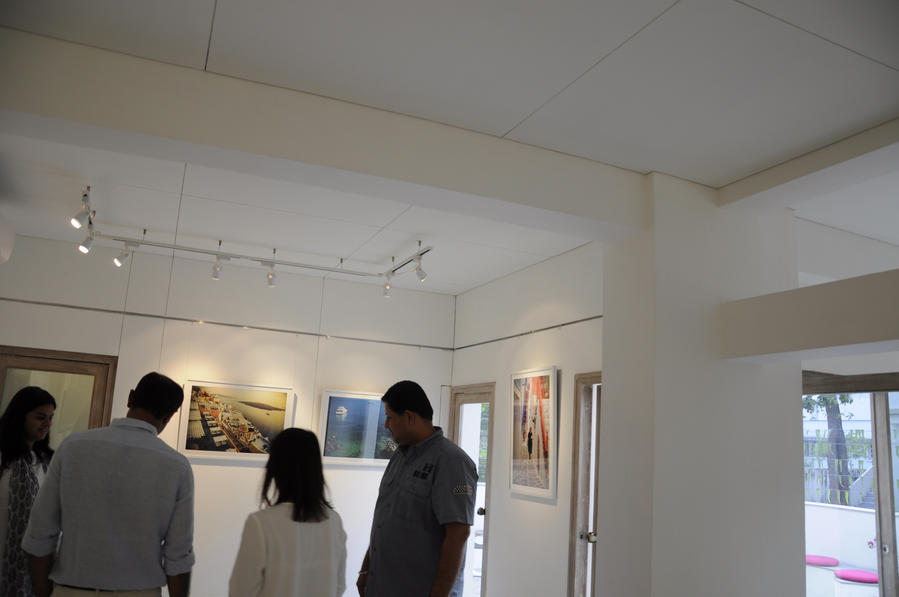
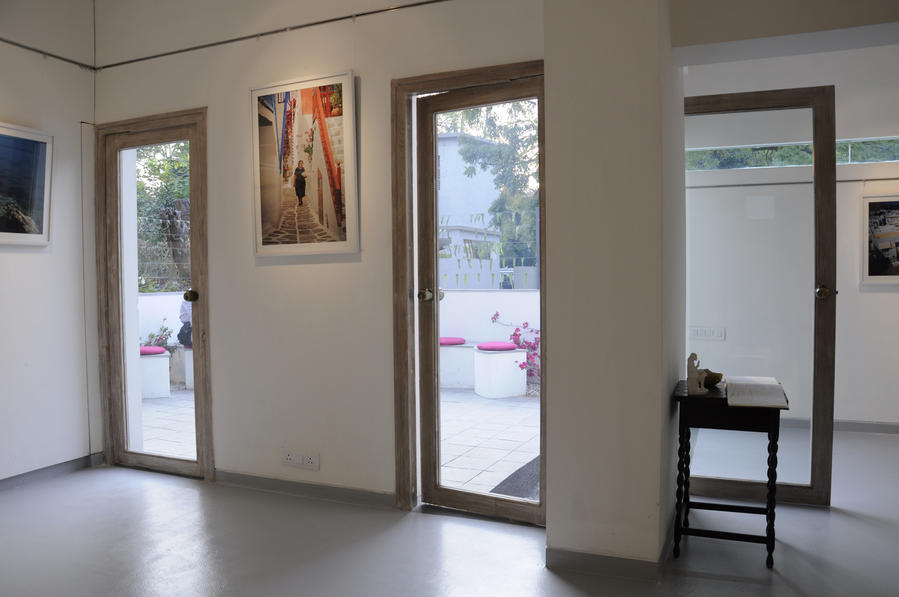
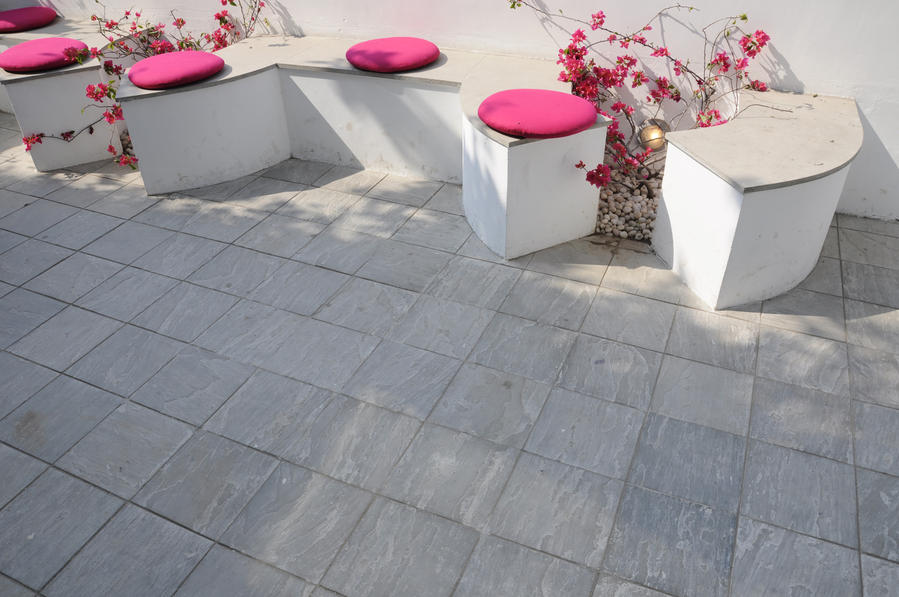
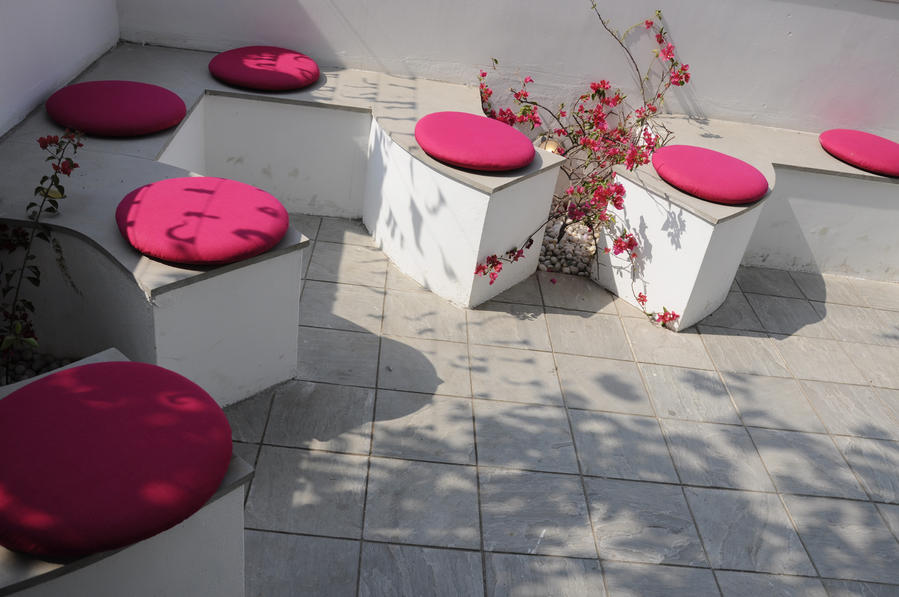
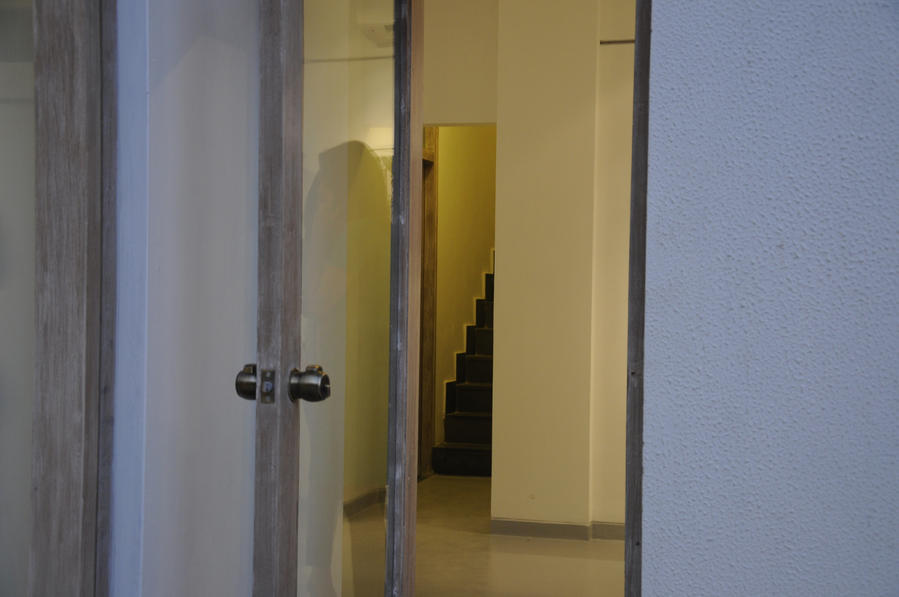
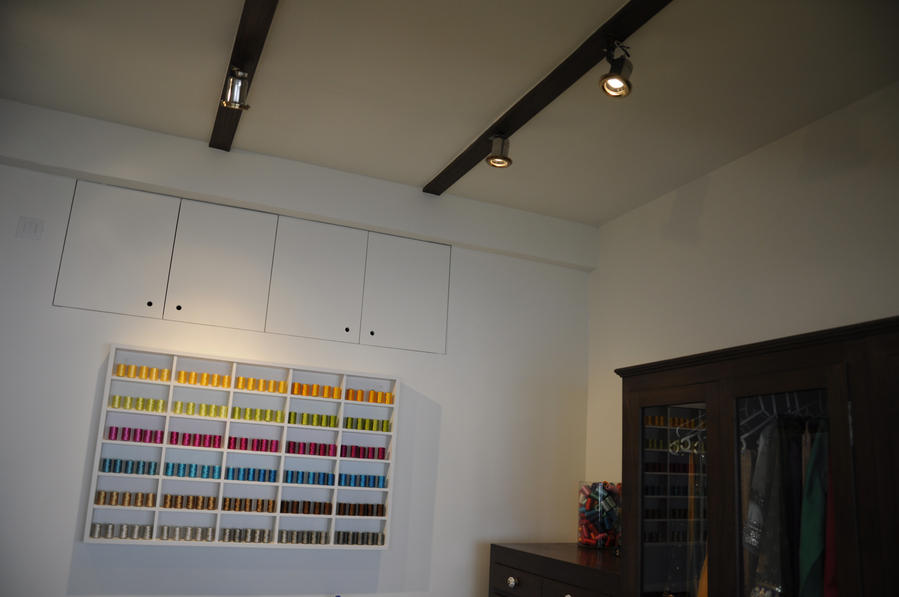
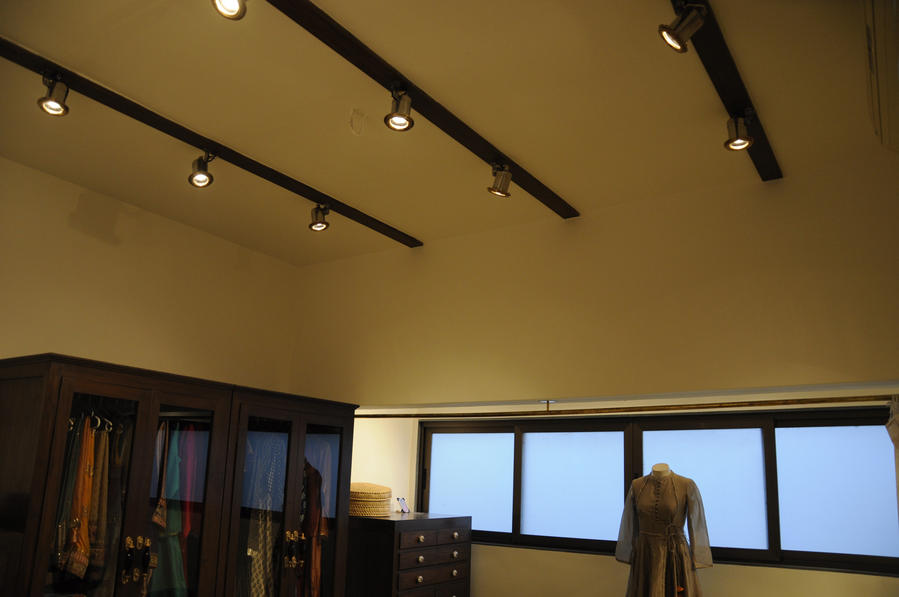
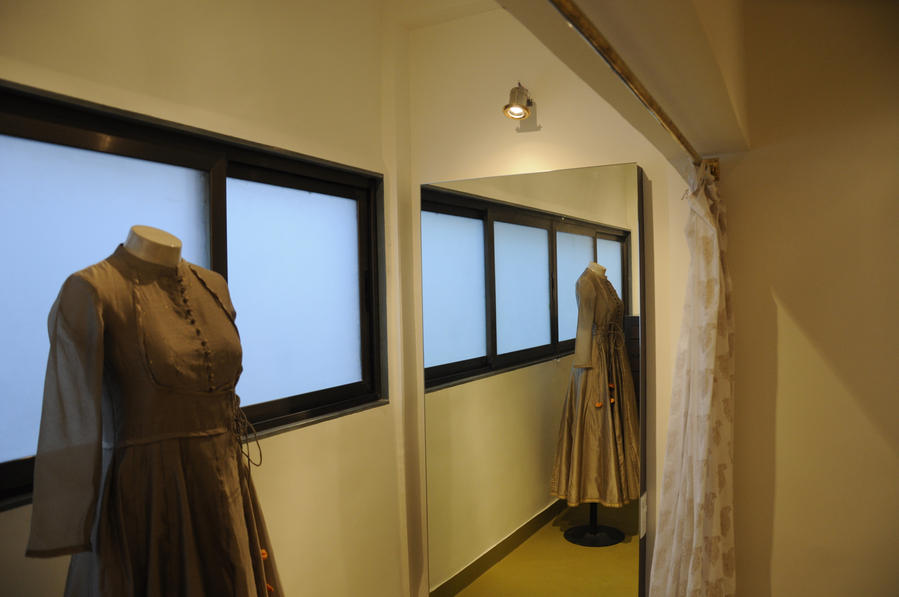
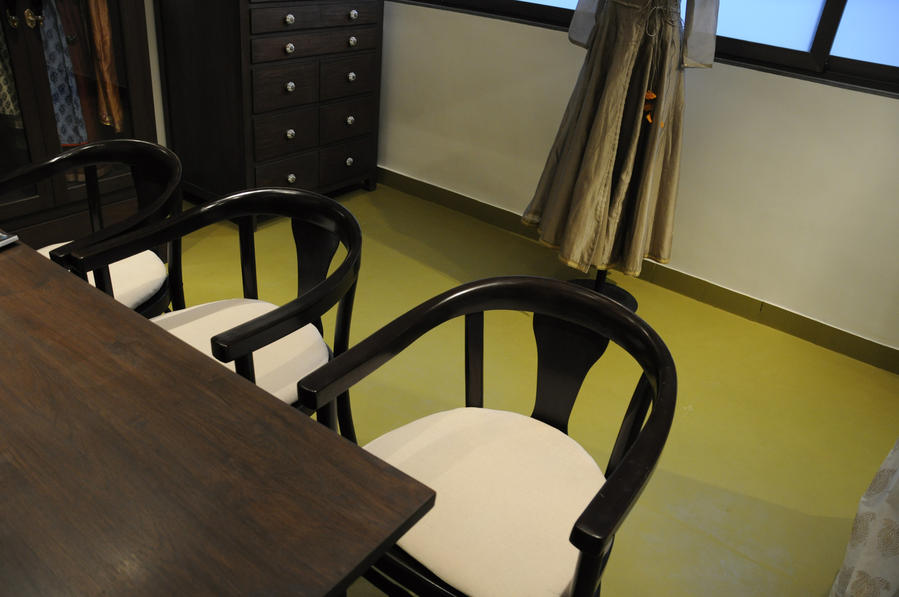
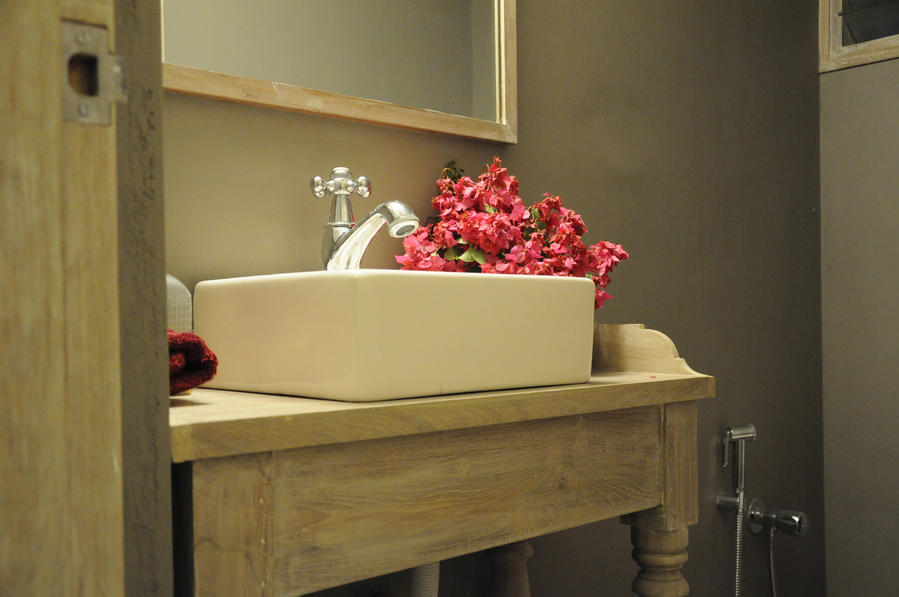
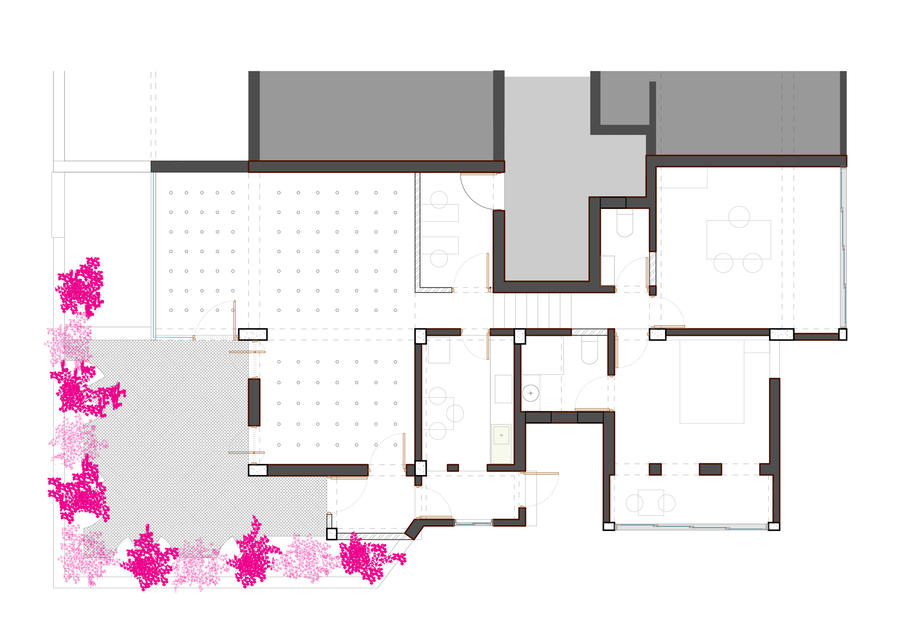
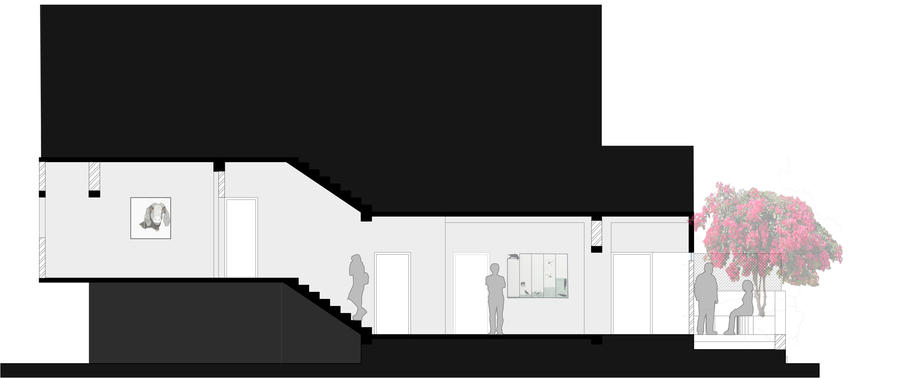
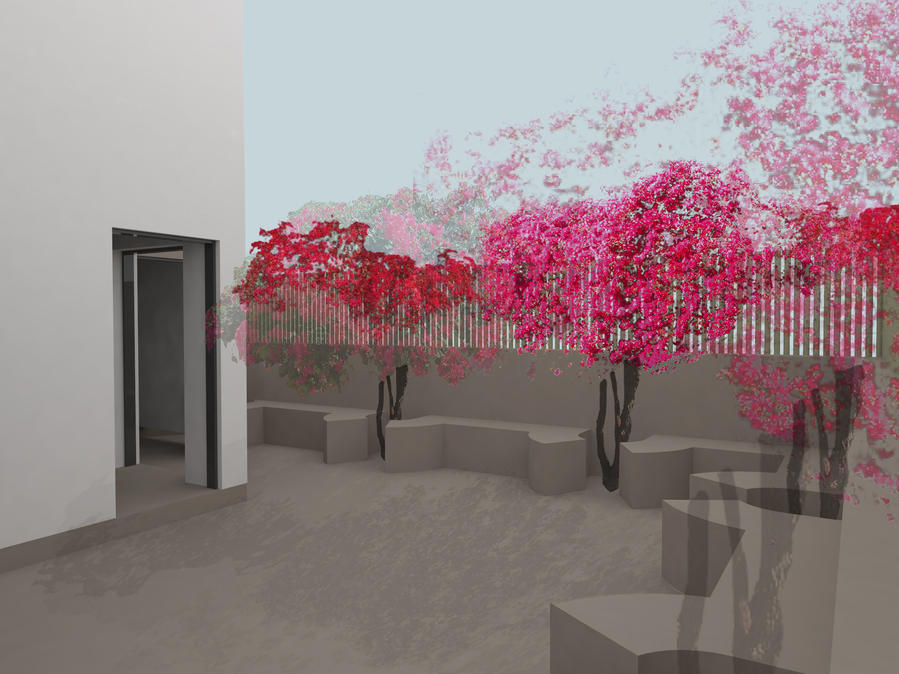
We renovated an ailing apartment to create a studio for a fashion designer, and adjoining gallery for traveling exhibitions. The split level of the apartment works to separate private working spaces from public gallery, which opens into a cozy garden that occupies the corner of the plot, nestled against the street. A limited color palette of materials accentuates the bright bougainvillea that surround the space.
Mt. Abu, Rajasthan, 2012
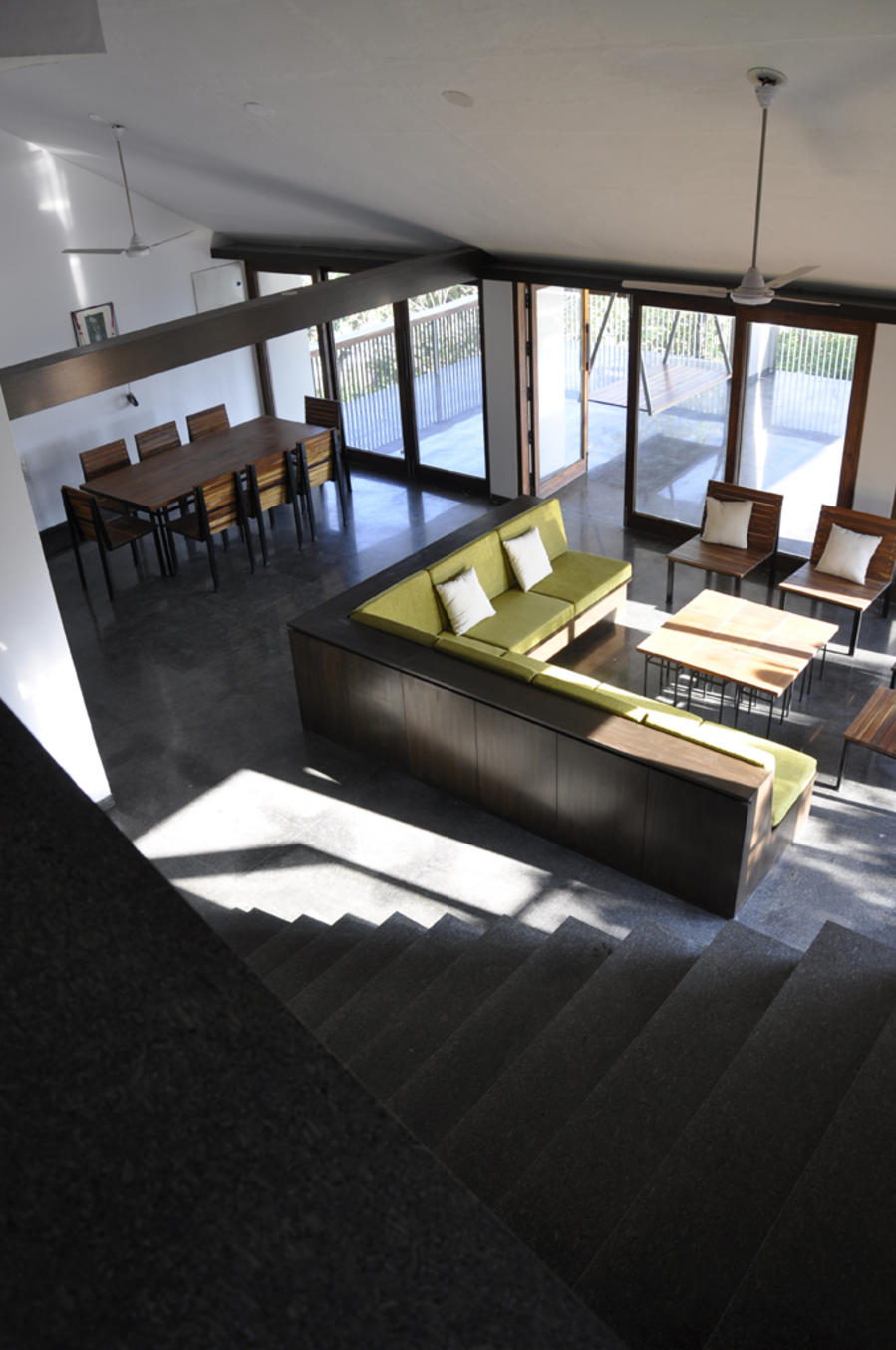
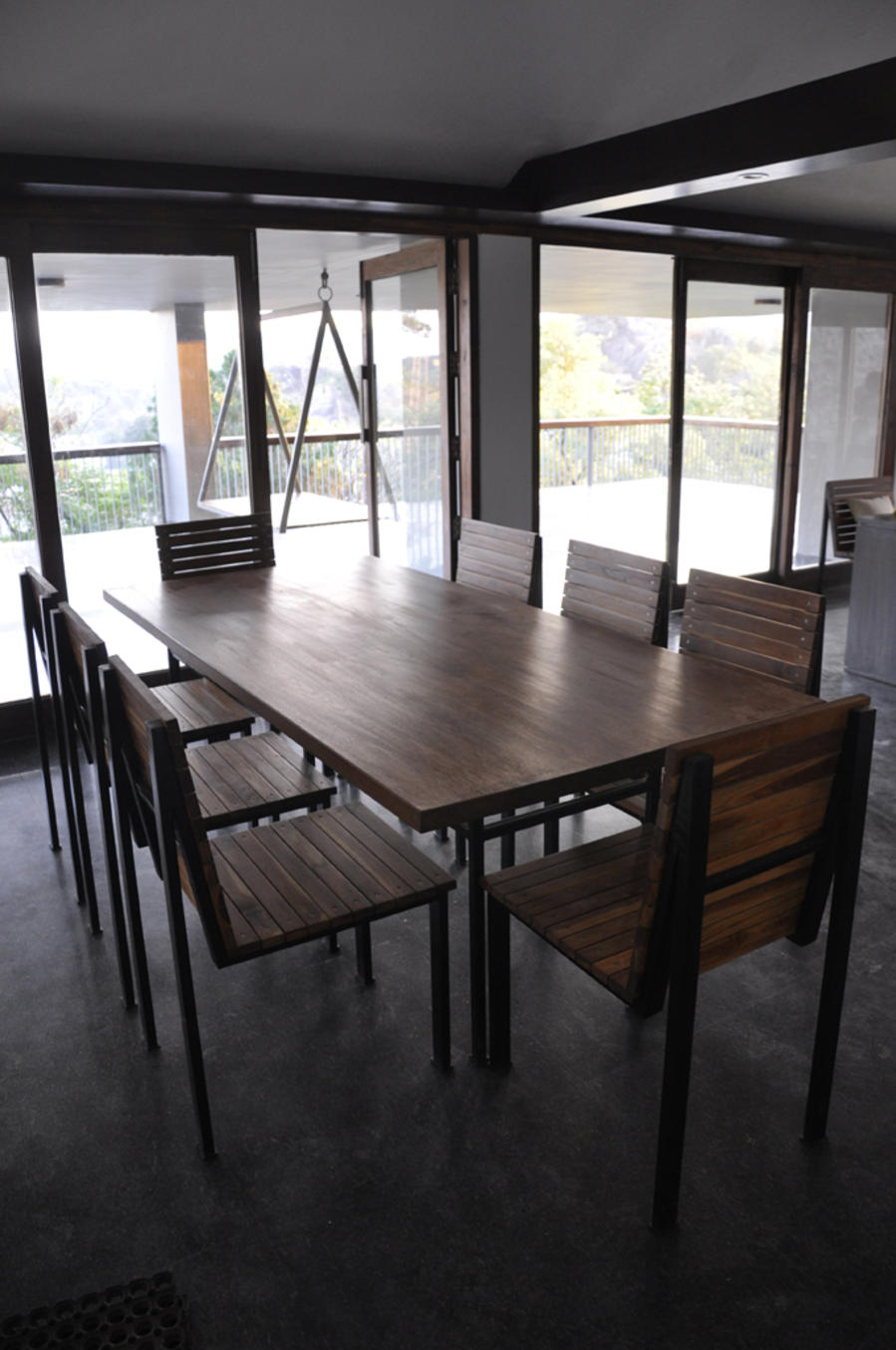
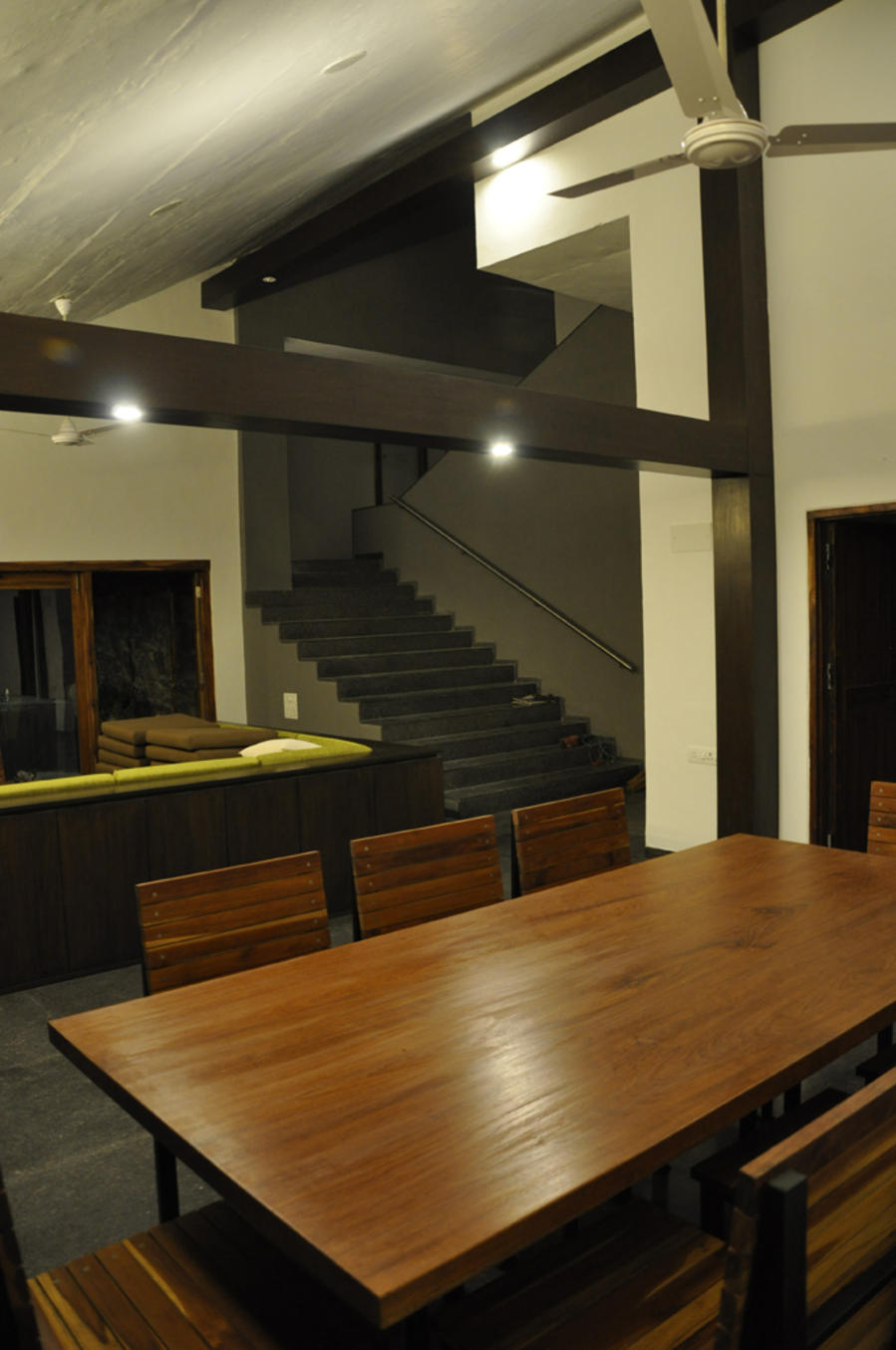
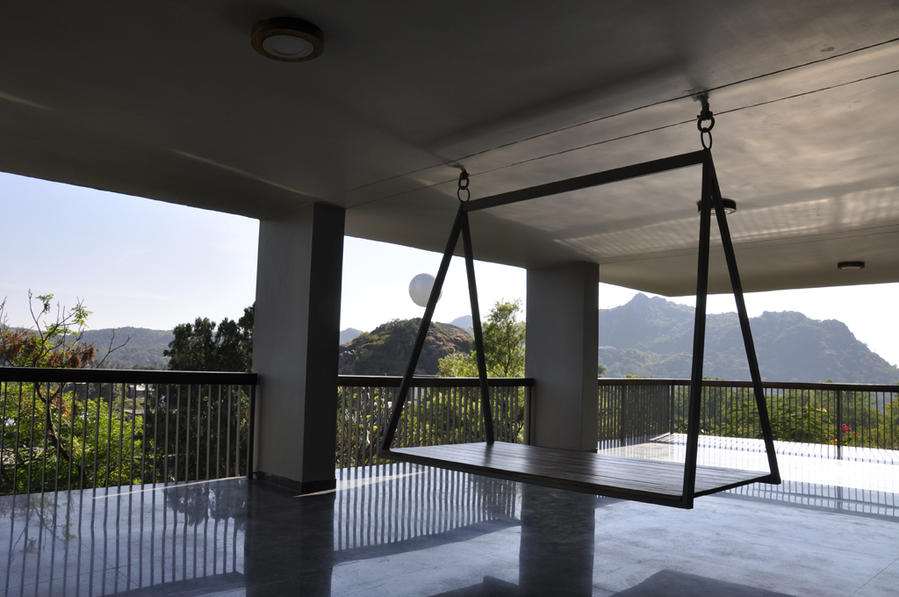
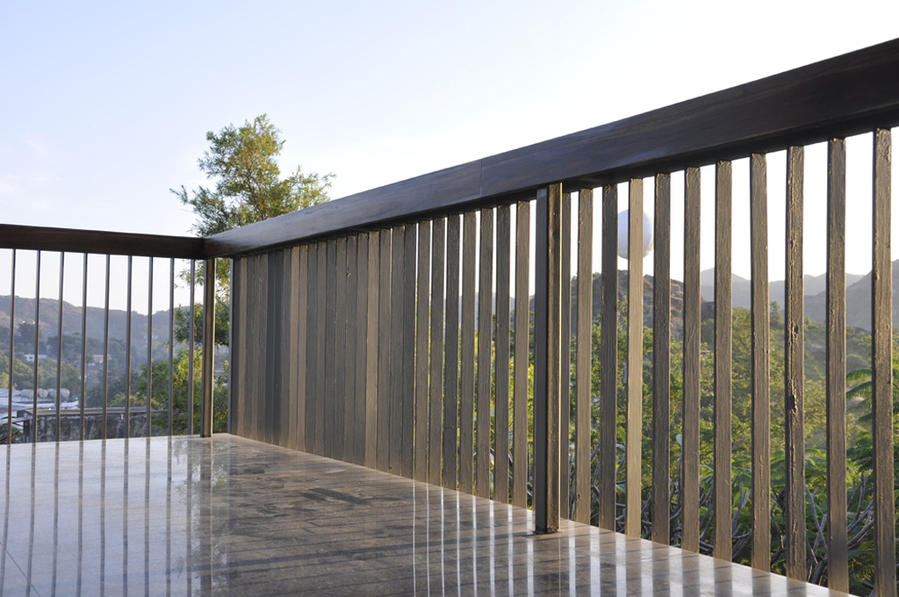
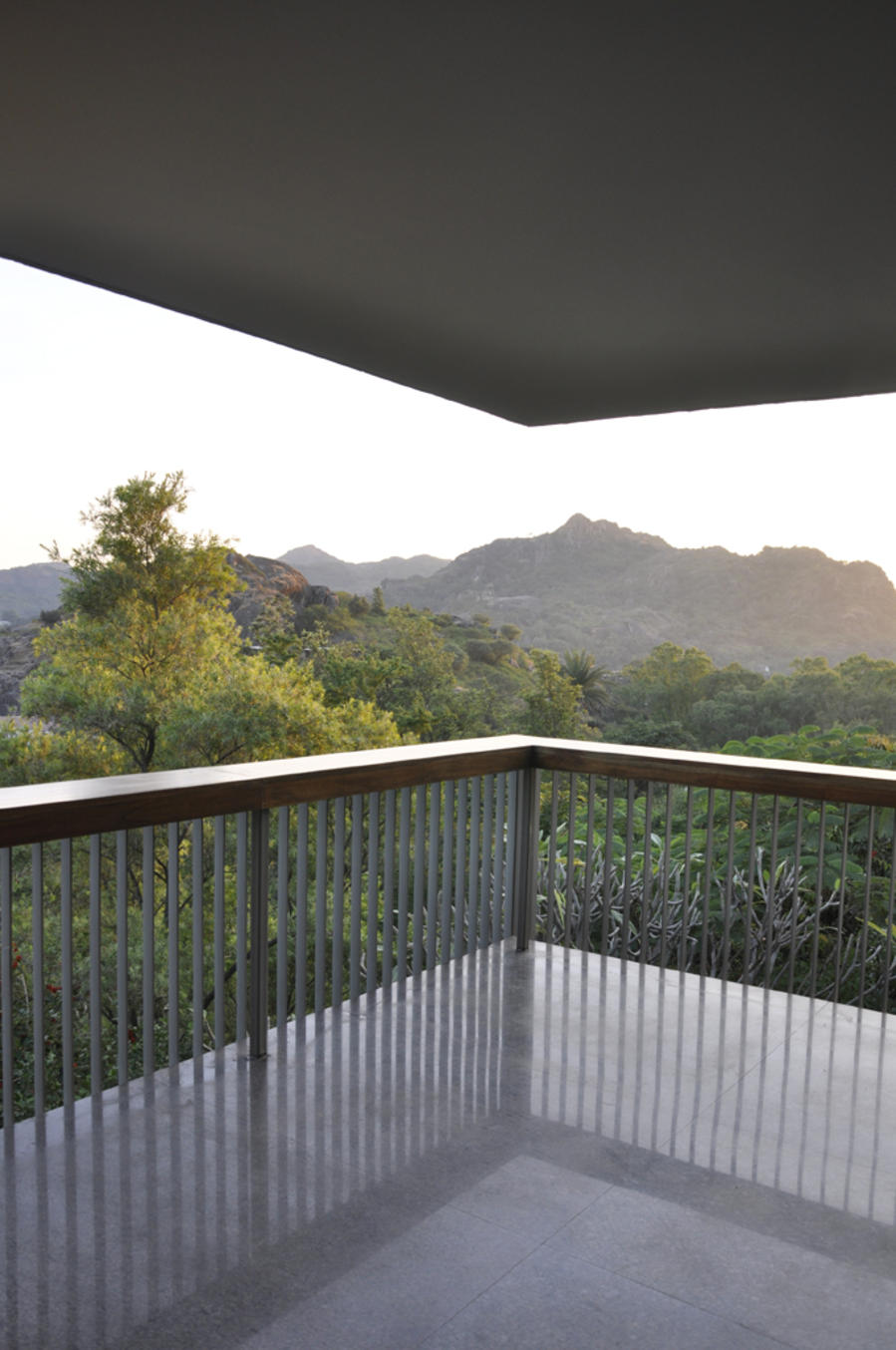
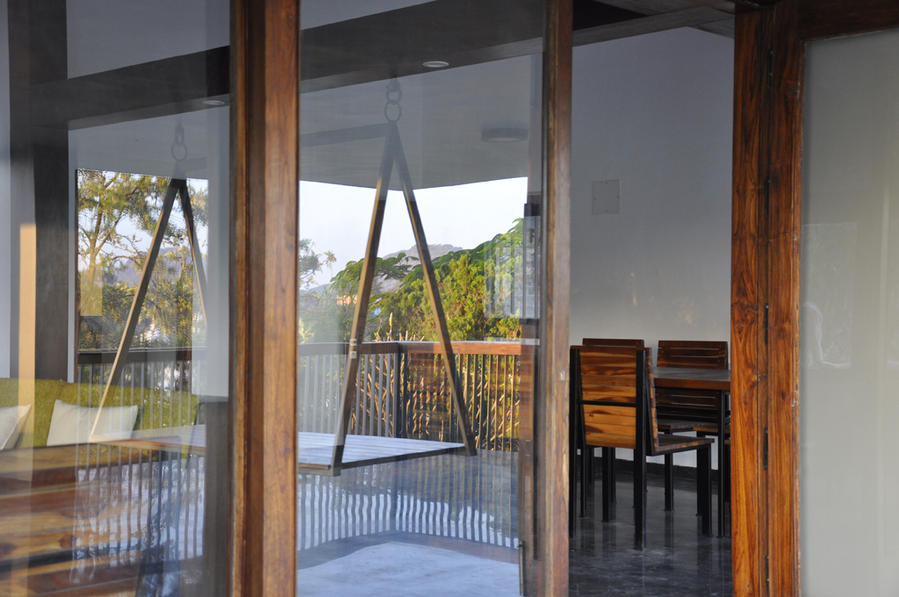
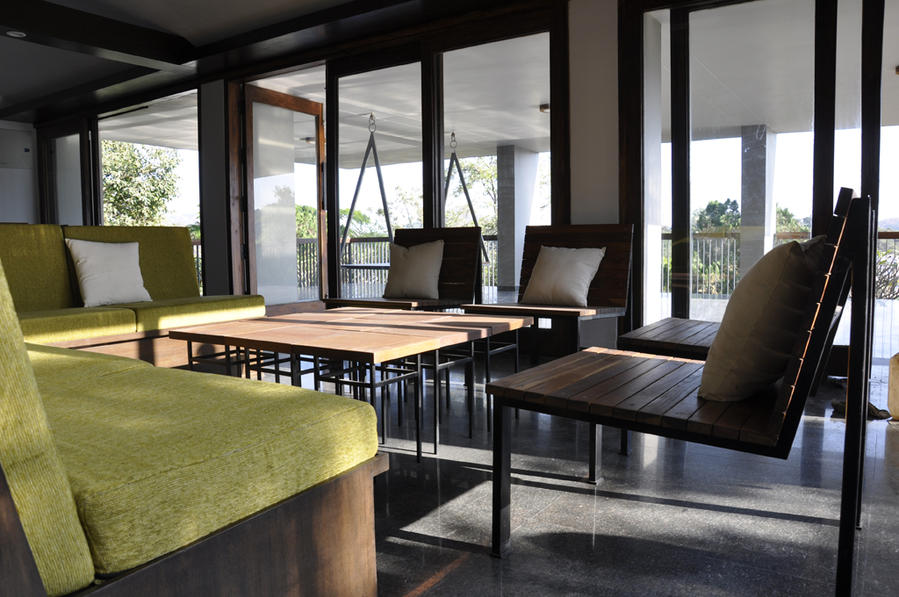
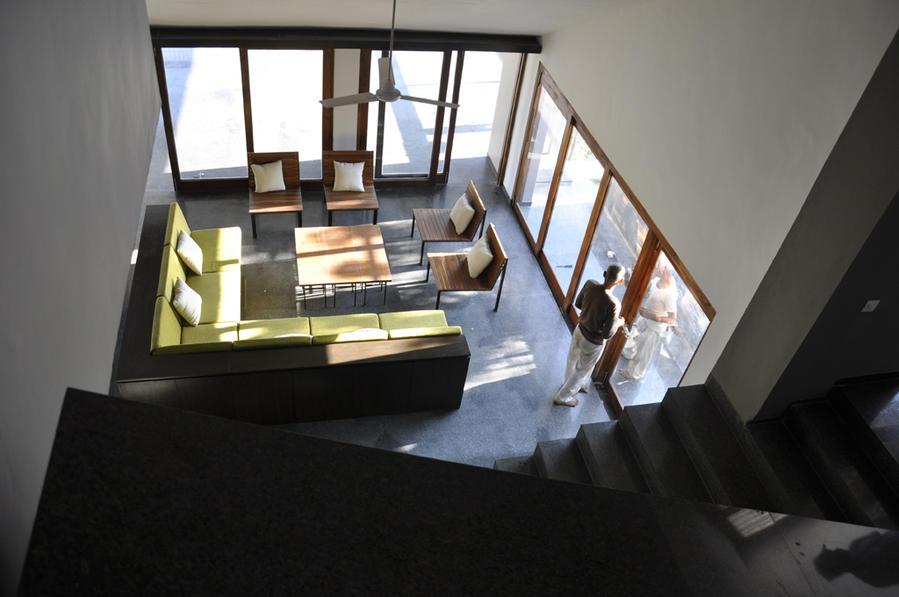
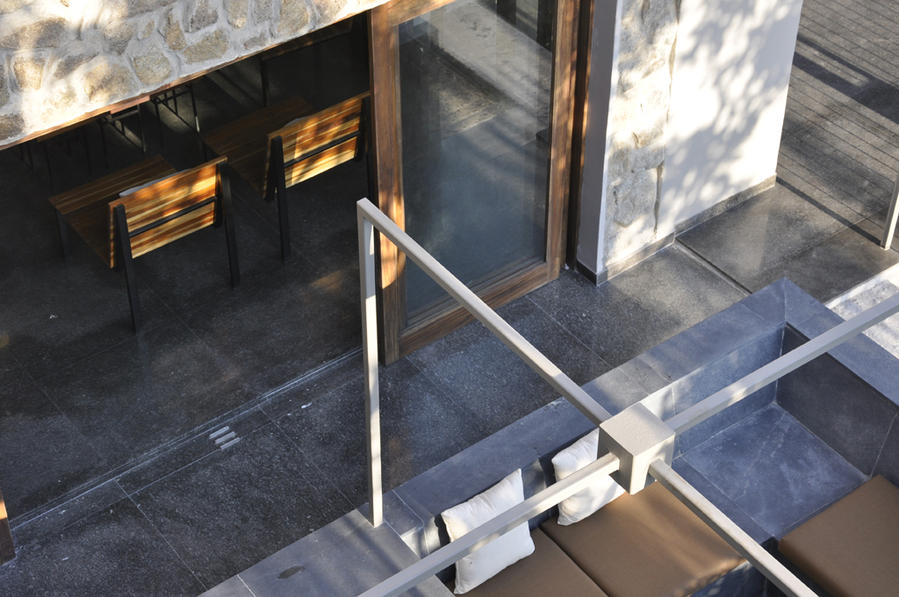
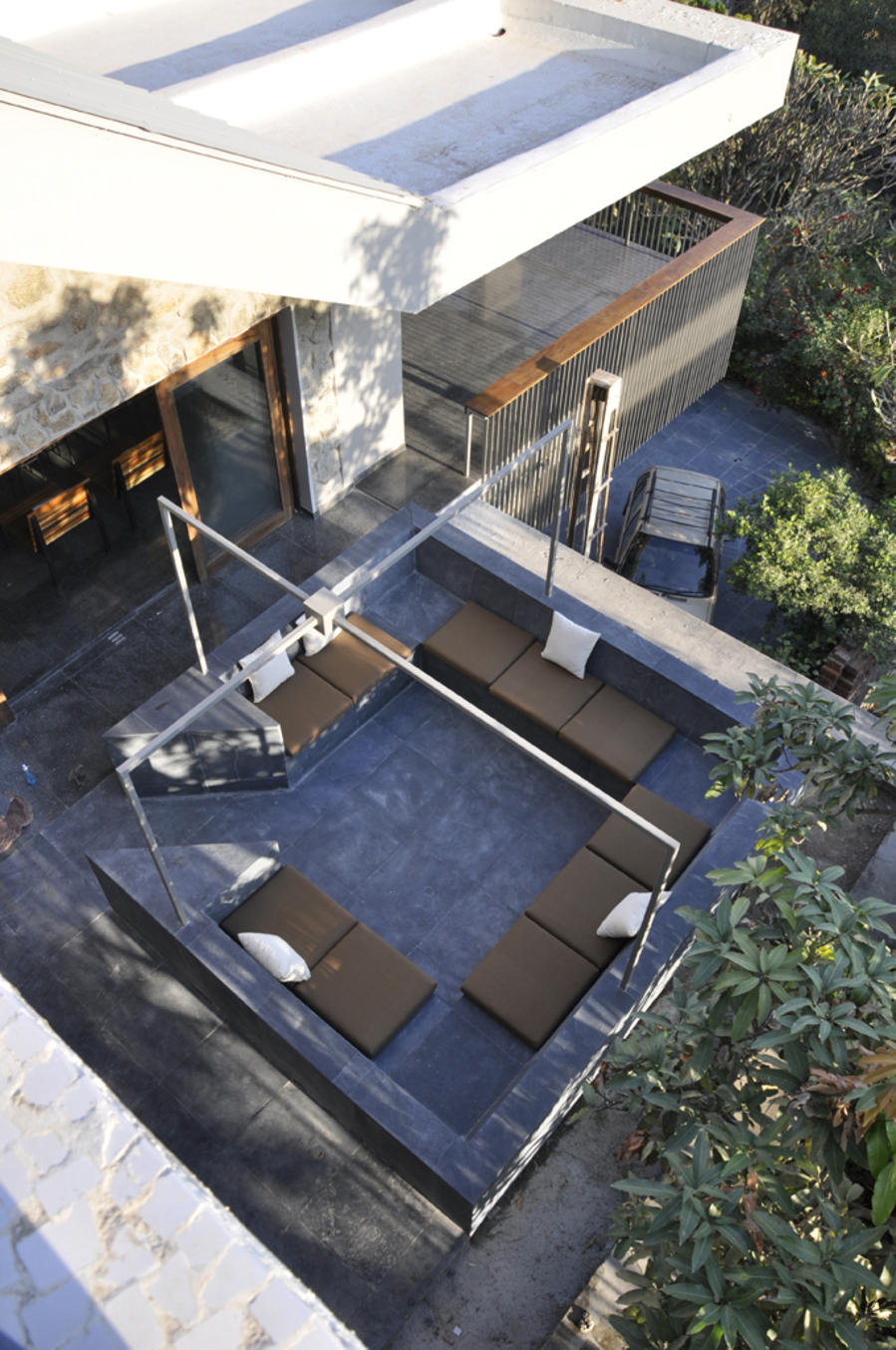
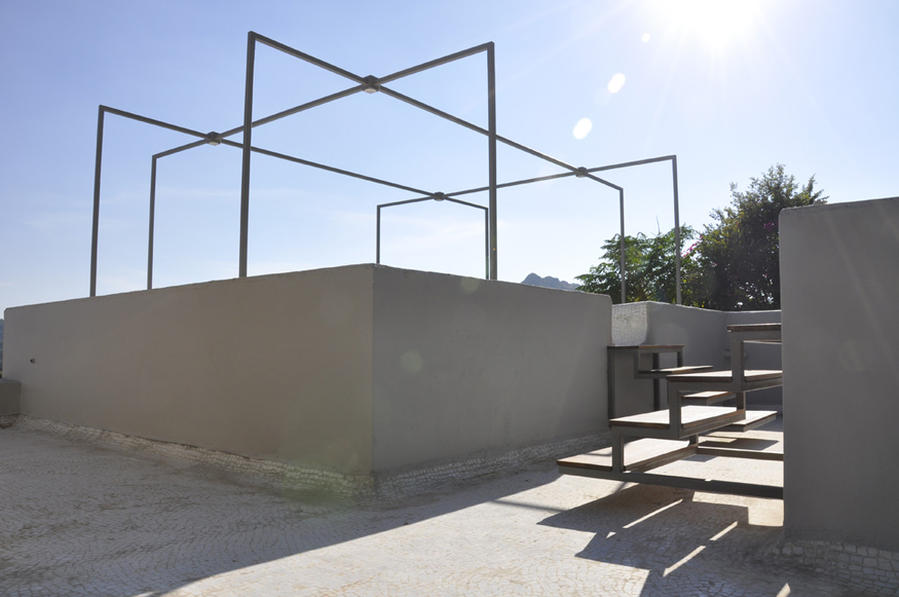
The renovation of a forty-year-old retreat in Mt. Abu takes on an aging, random rubble structure retained against a slope of stone.
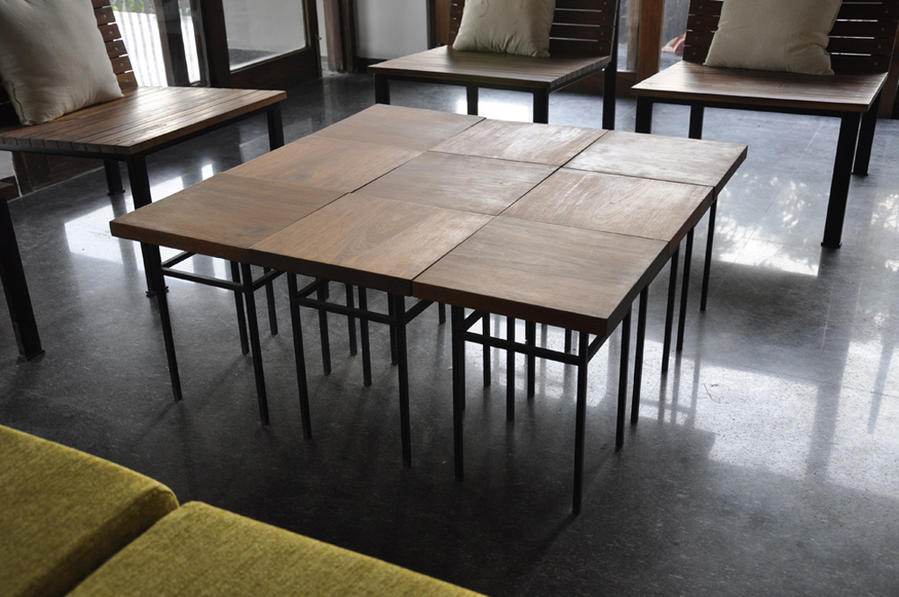
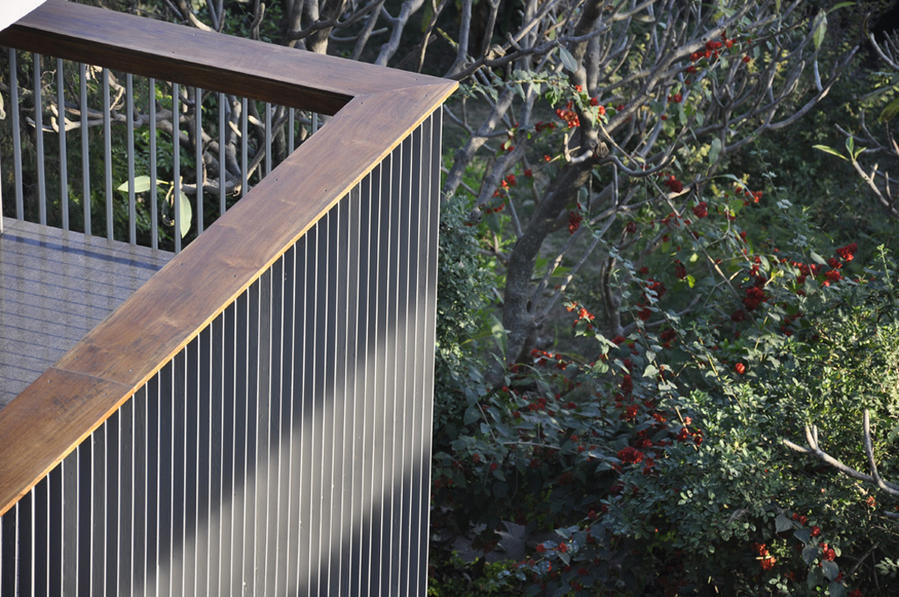
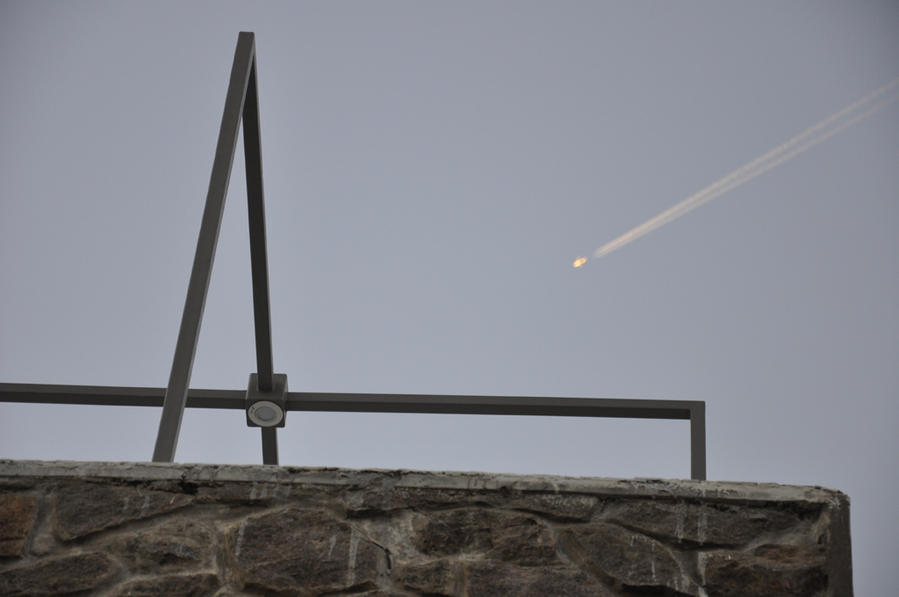
Main strategies were to open the interior to the views, blur the scale of the structure with exaggerated railings and diversify the experience of varied zones within the house through the introduction of lightweight, indicative yet almost immaterial spatial divisions. Robust furniture was introduced with the intention to withstand , with minimal maintenance, the rough of use of many visitors.

Aging modernism is a blog that documents how people have inhabited sites of of the twentieth century, and how their inhabitation, and the response to it by the civic and government organizations, has begun to change the way their urban structure operates.
The project was put together by Melissa for her John K. Branner Fellowship from UC Berkeley in 2010, and the findings from field work served as the base for her masters thesis
 Modernism is over a century old. While its buildings emerged within a spectrum of historical political situations, today they exist in a variety of quite different contexts, climatically, socially and politically. The functional city was conceived in a time when rational scientific thought and radical action based on tabula rasa planning was the answer to chaotic blight. At the scale of the building or the city, the endeavors were intended to refine nature, limit chaos and create a rational situation that eliminated mess.
Ahmedabad, Gujarat 2012
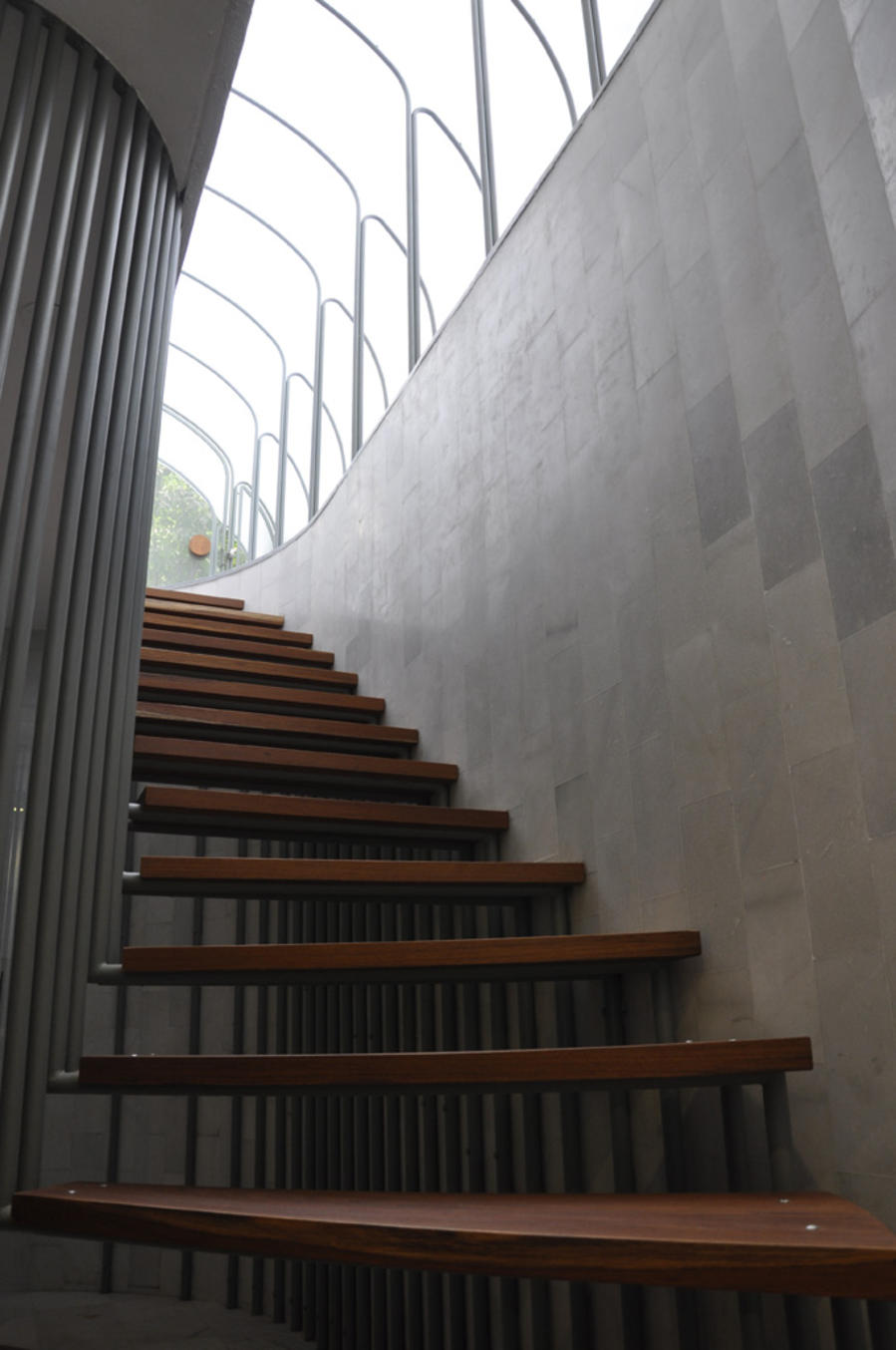
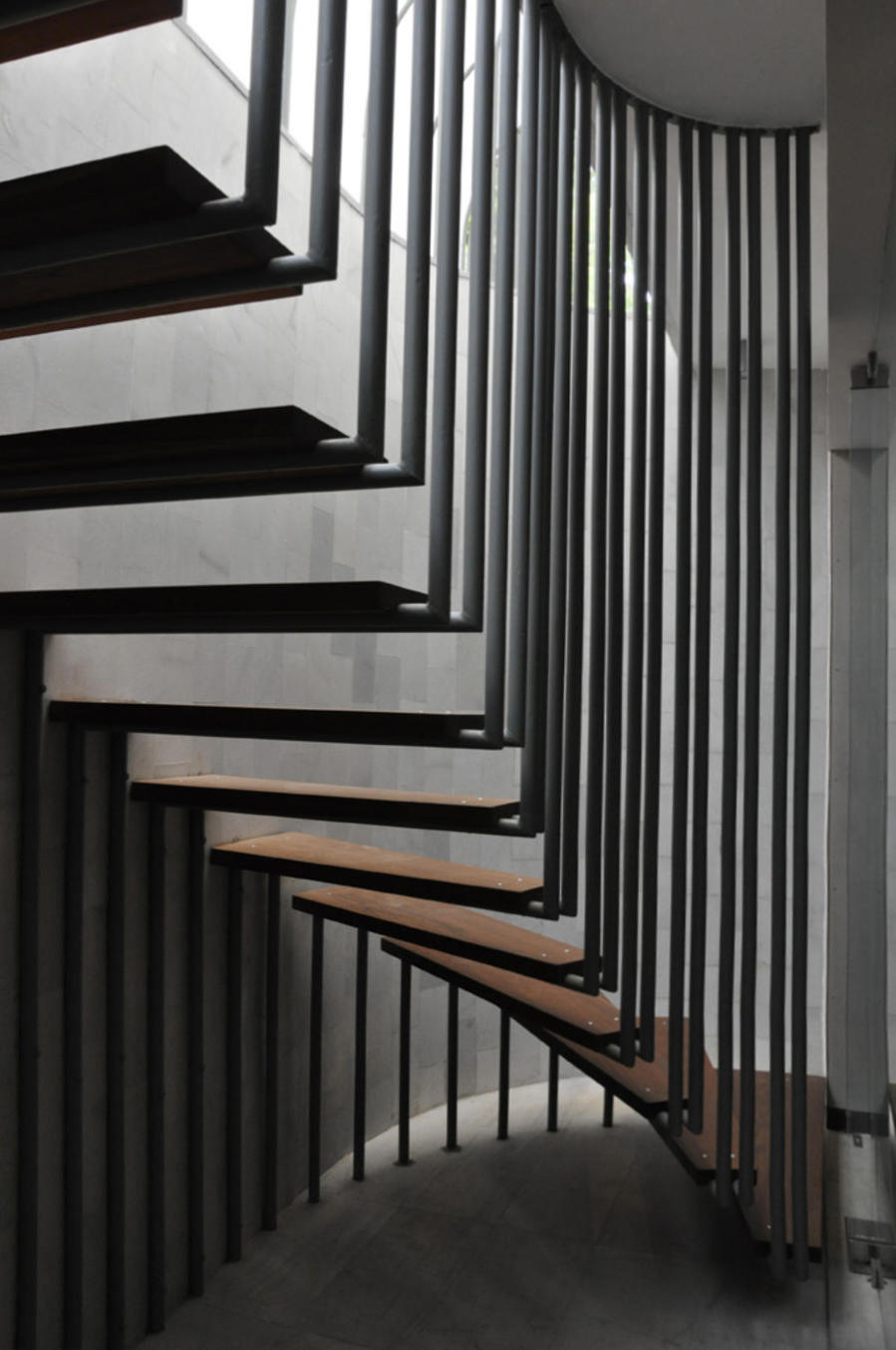
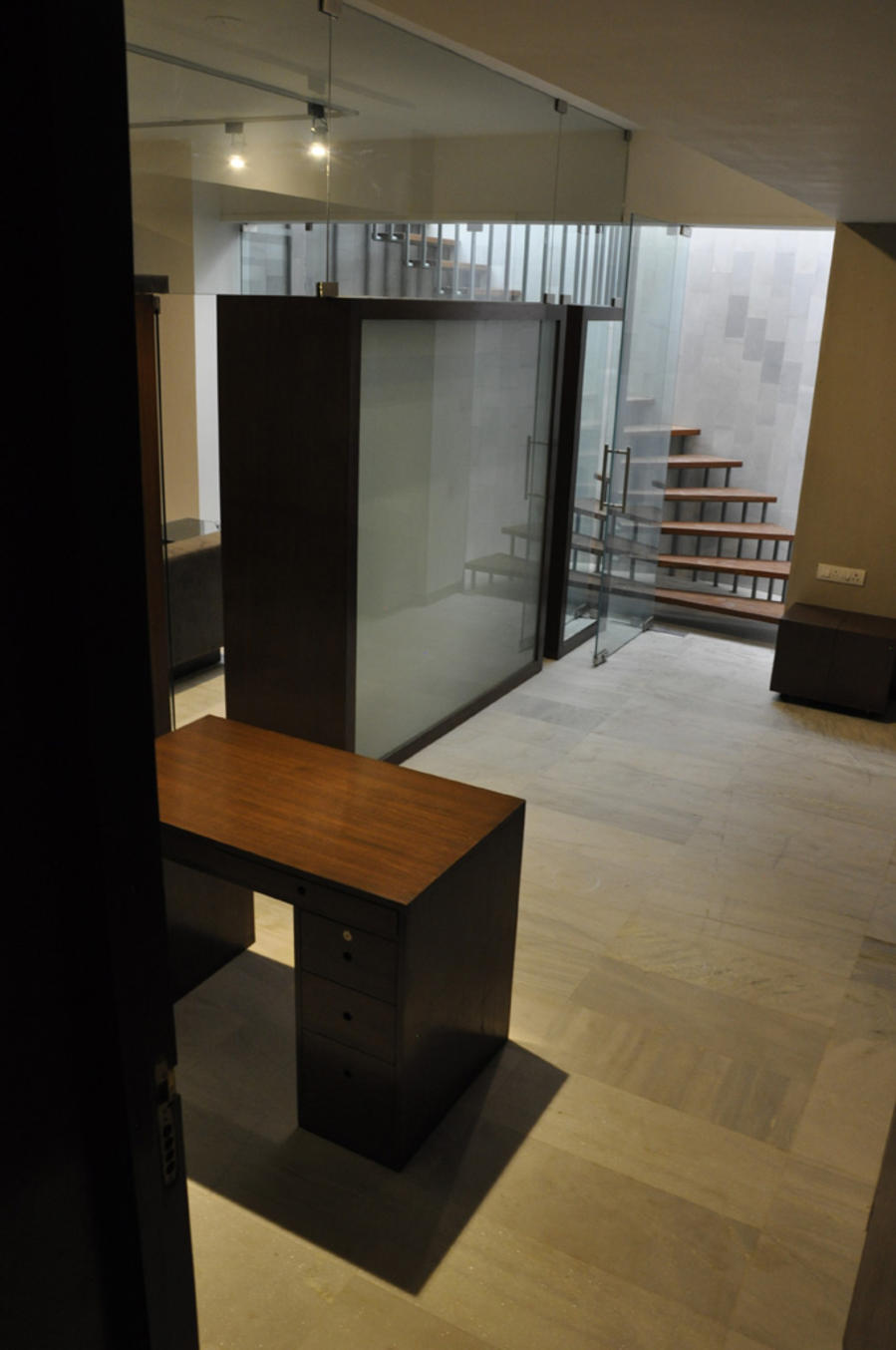
Tucked under an existing house, this office space takes advantage of the daylight with glass partitions and a fiberglass shade that wraps steel members to filter diffuse into the sitting are below.
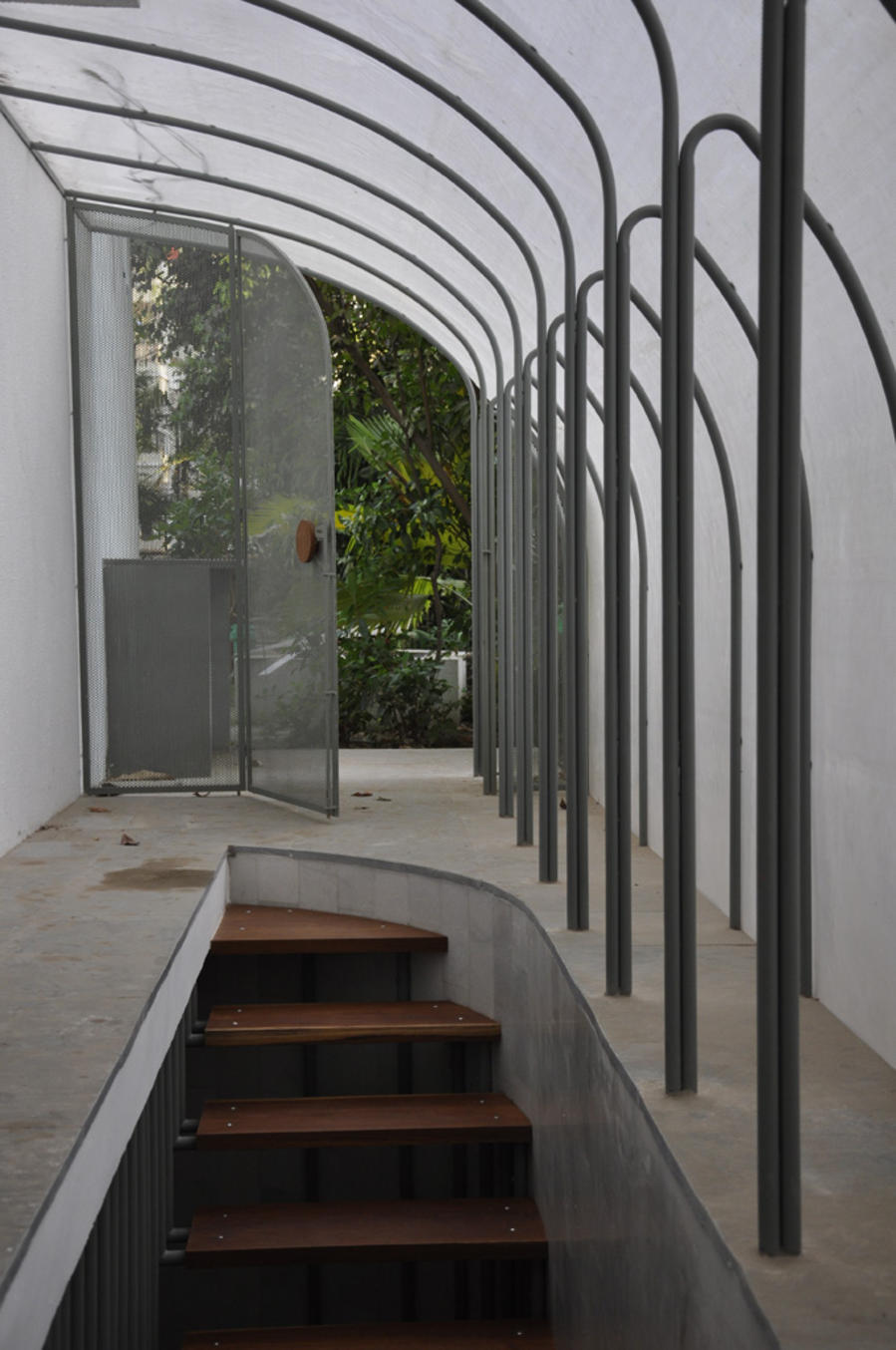
Inserted into a lightwell, the stair makes the most of its dimensional constraints and works as entry and security. Each tread is suspended individually from the beam above and anchored to form a space under shelter but still outside. In the space itself, translucent cabinets mark the division of waiting and meeting, and the simple, clean surfaces are punctuated with colorful or antique embellishments.
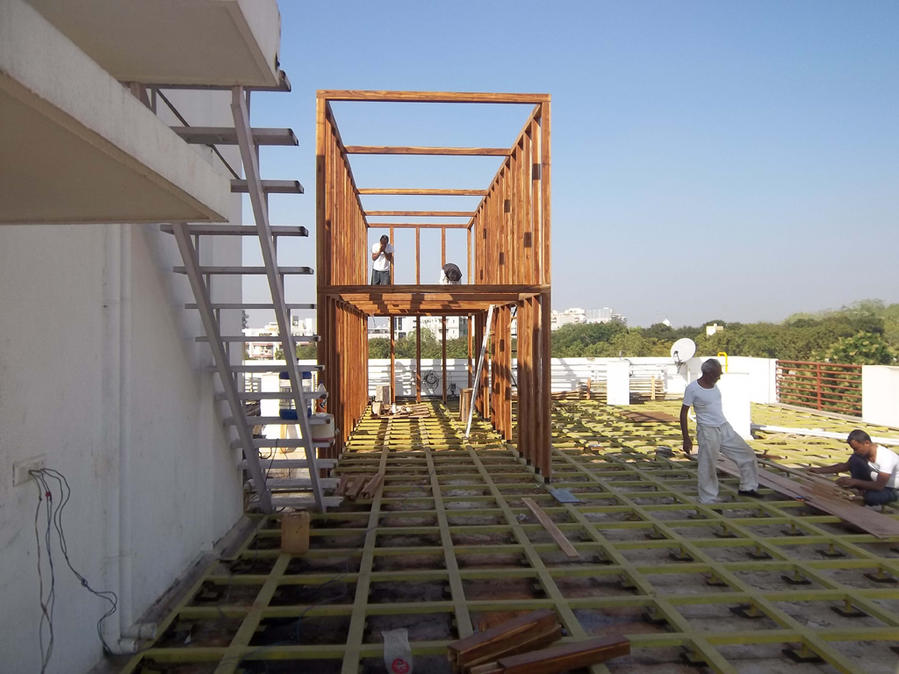
Ahmedabad, Gujarat 2010
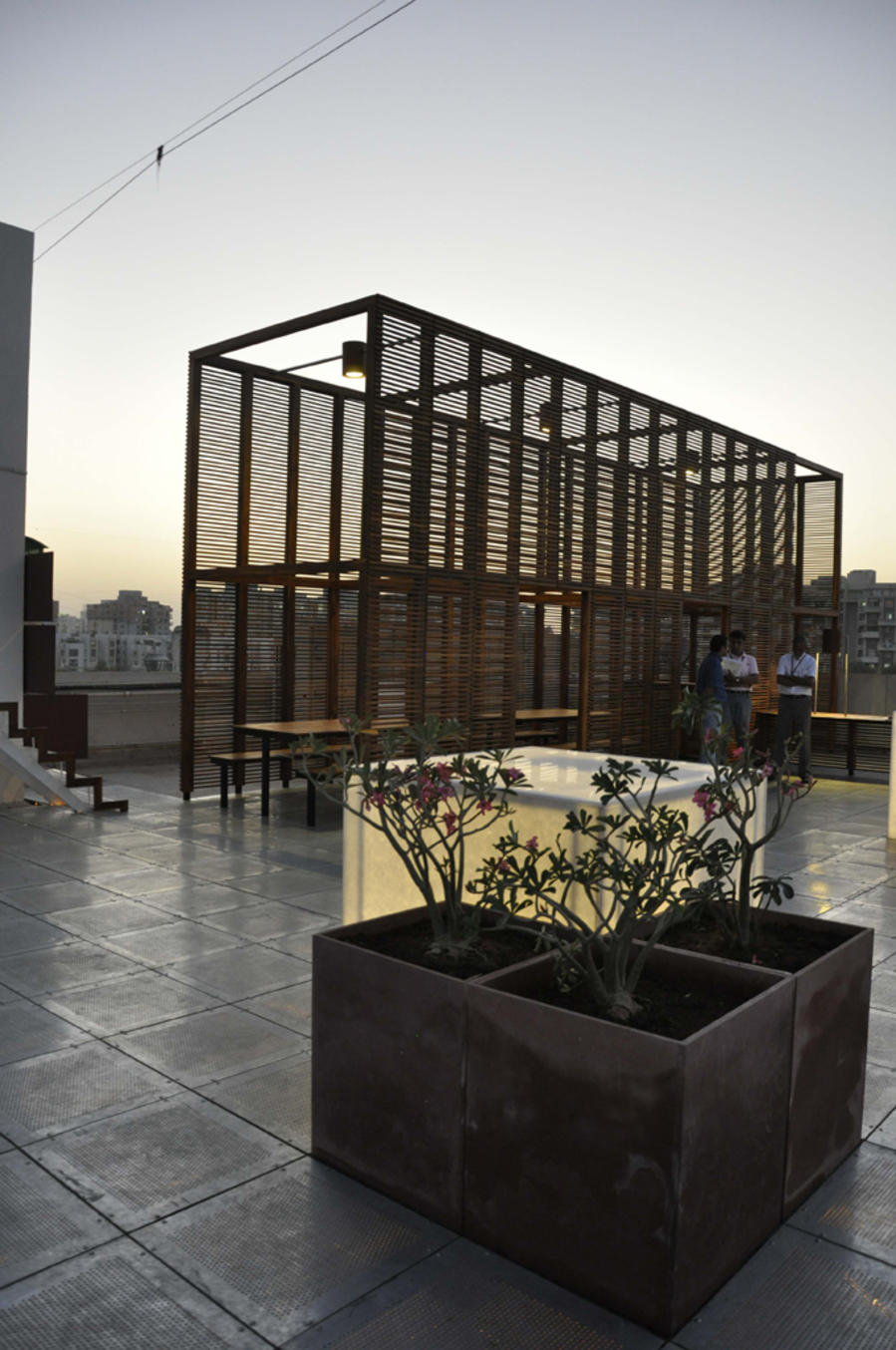
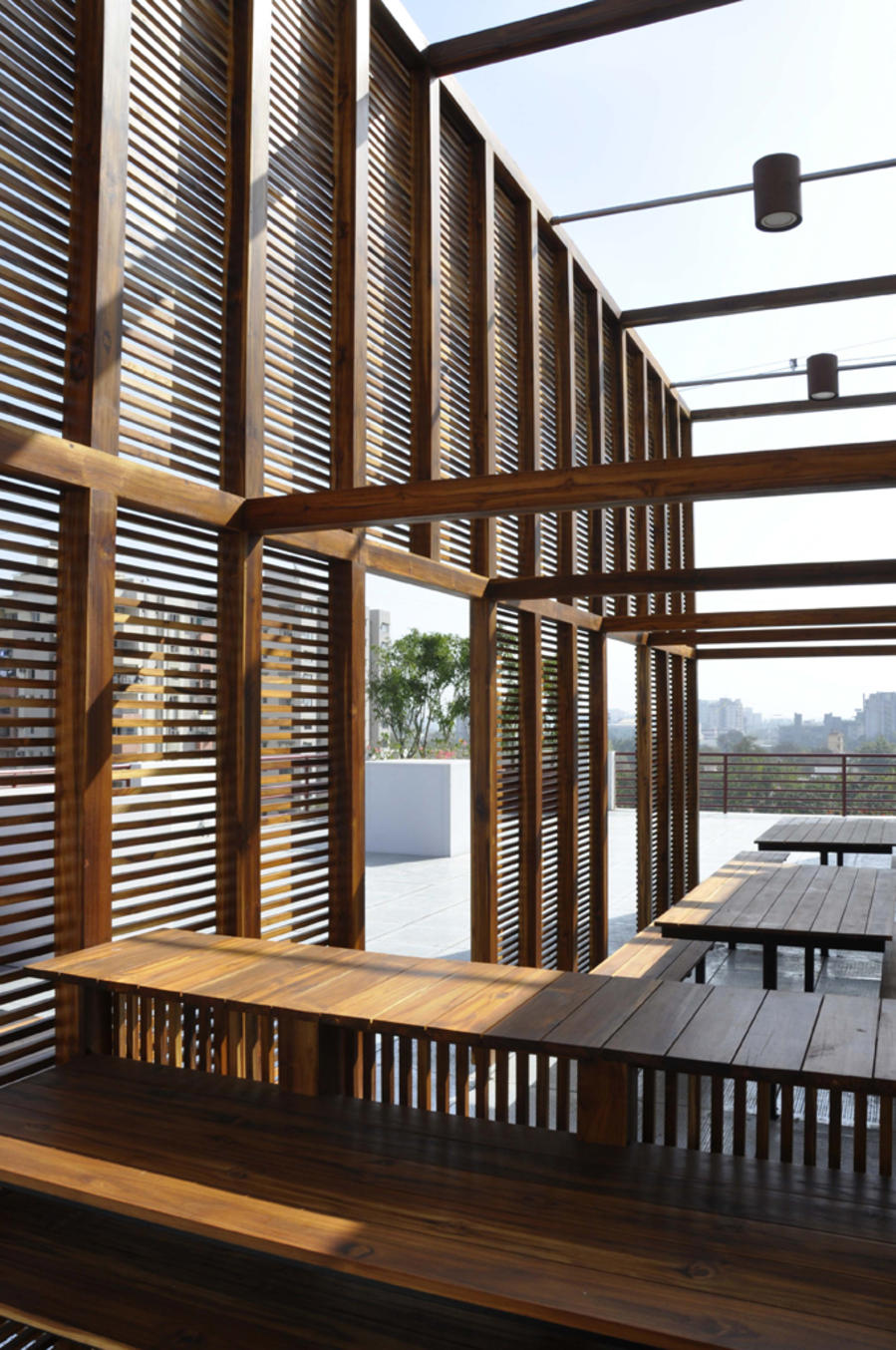
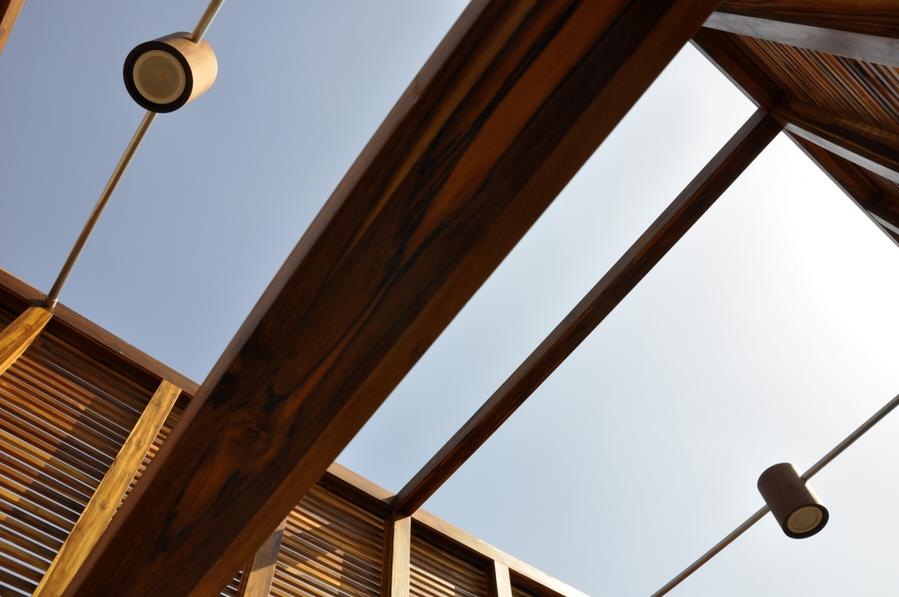
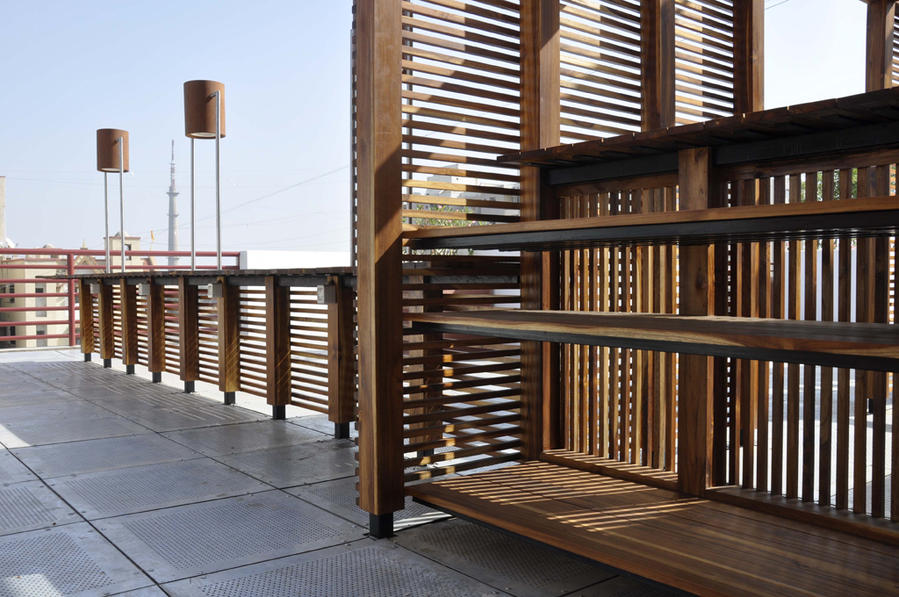
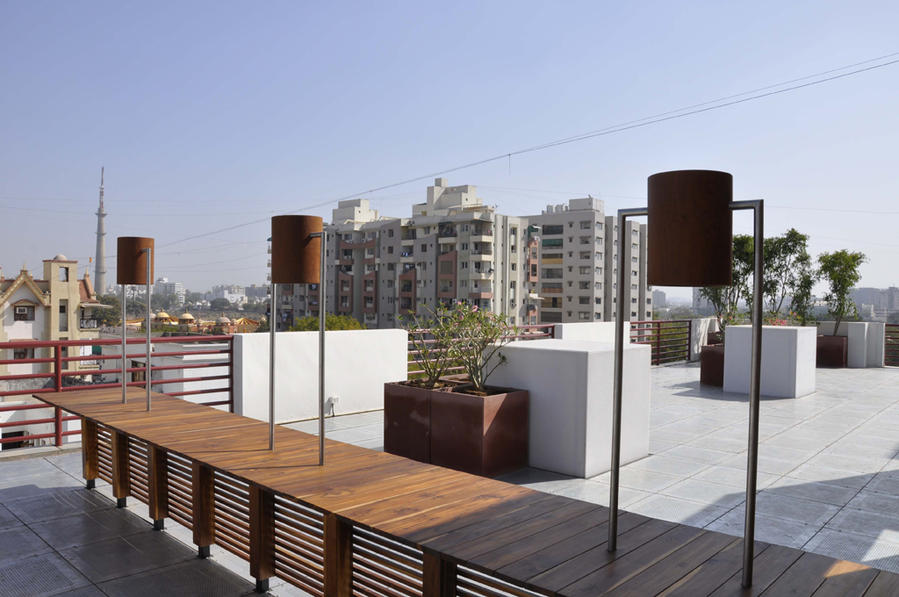
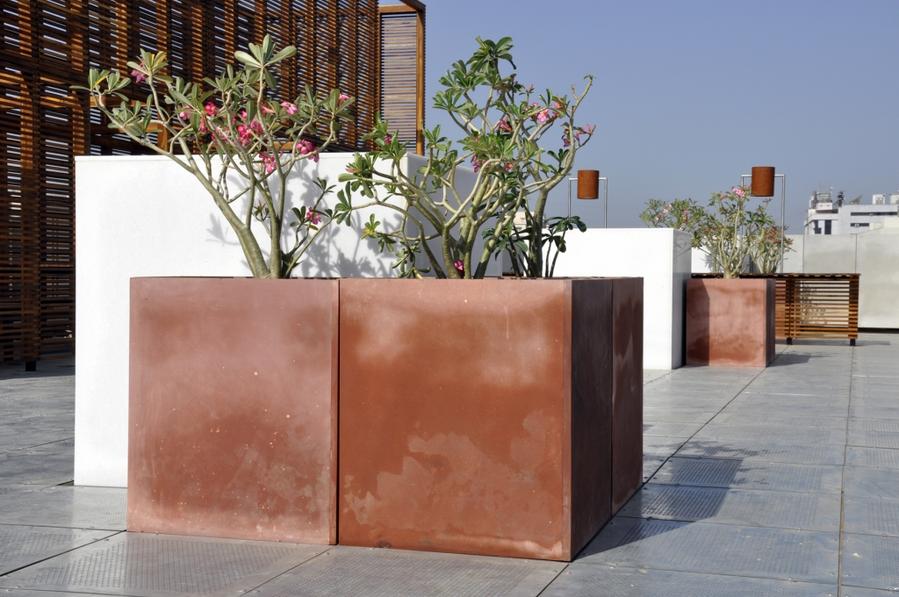
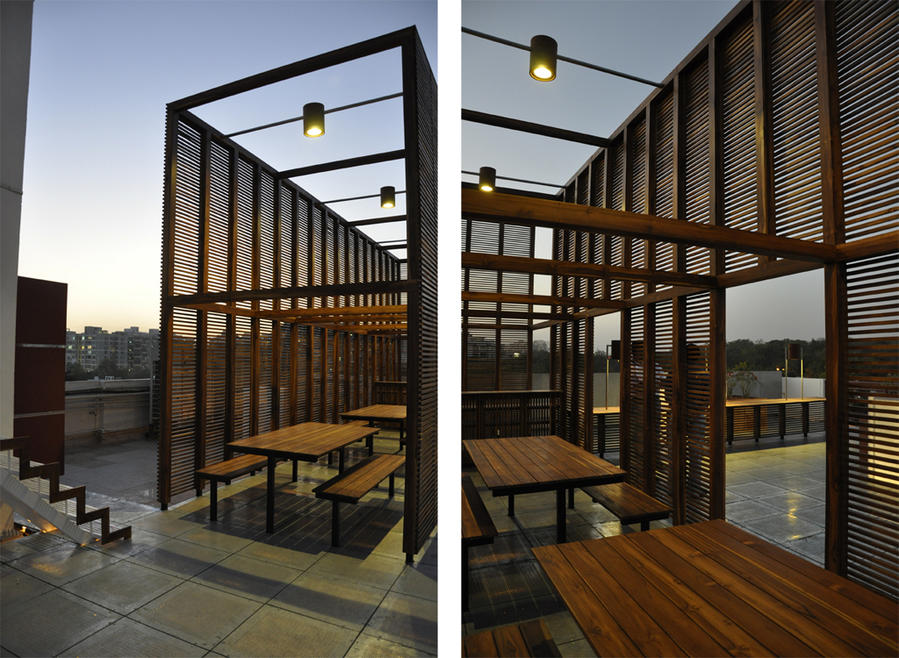
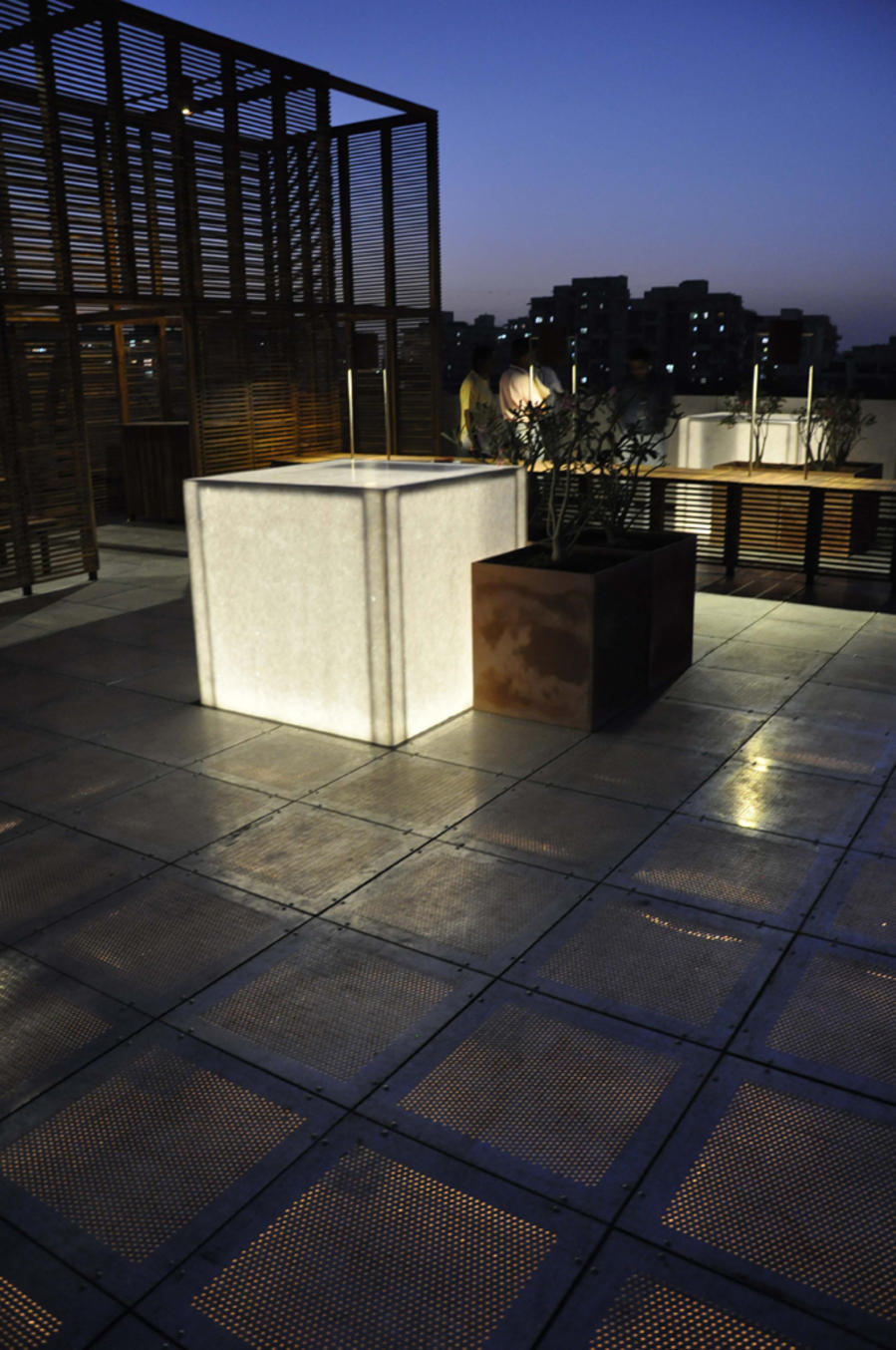
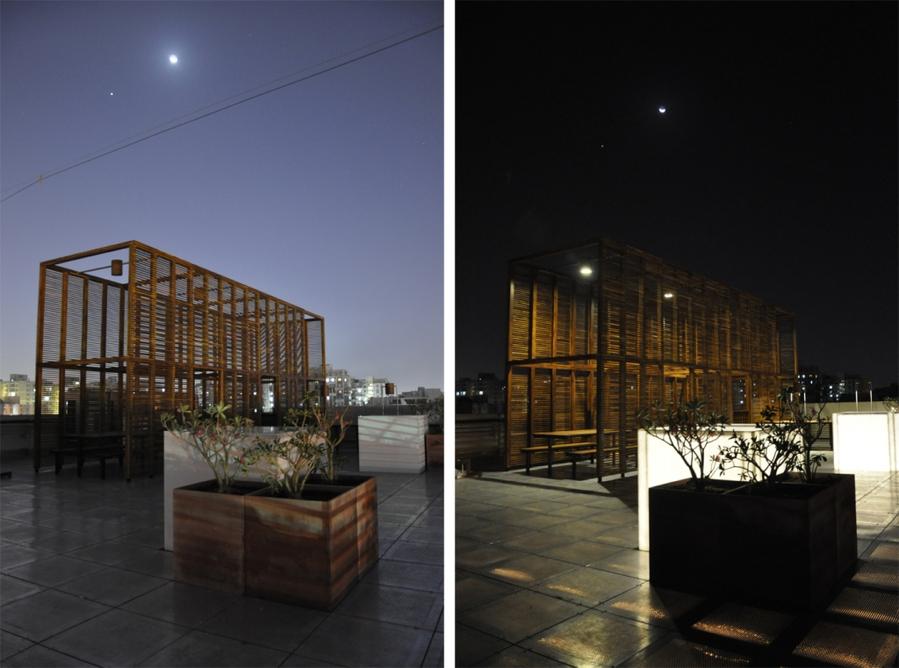
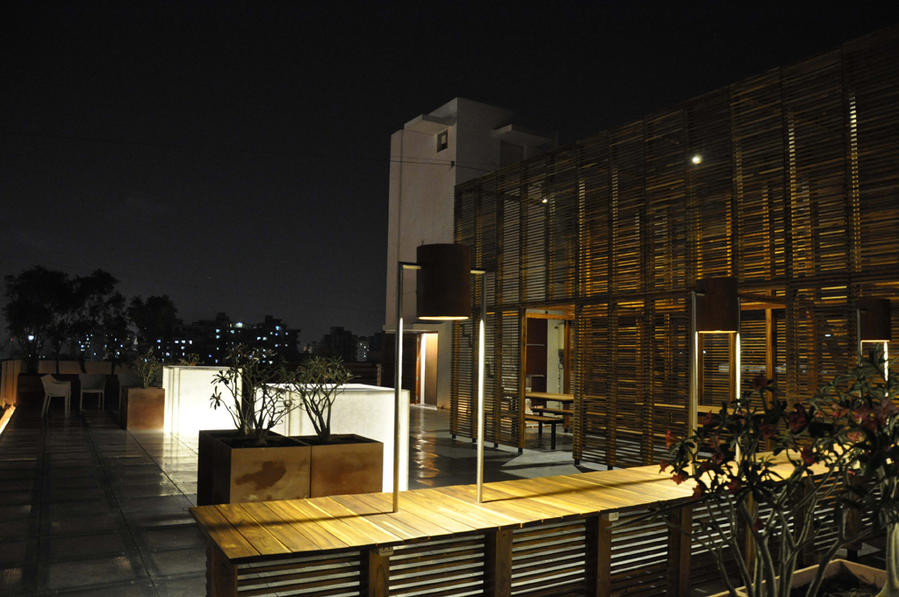
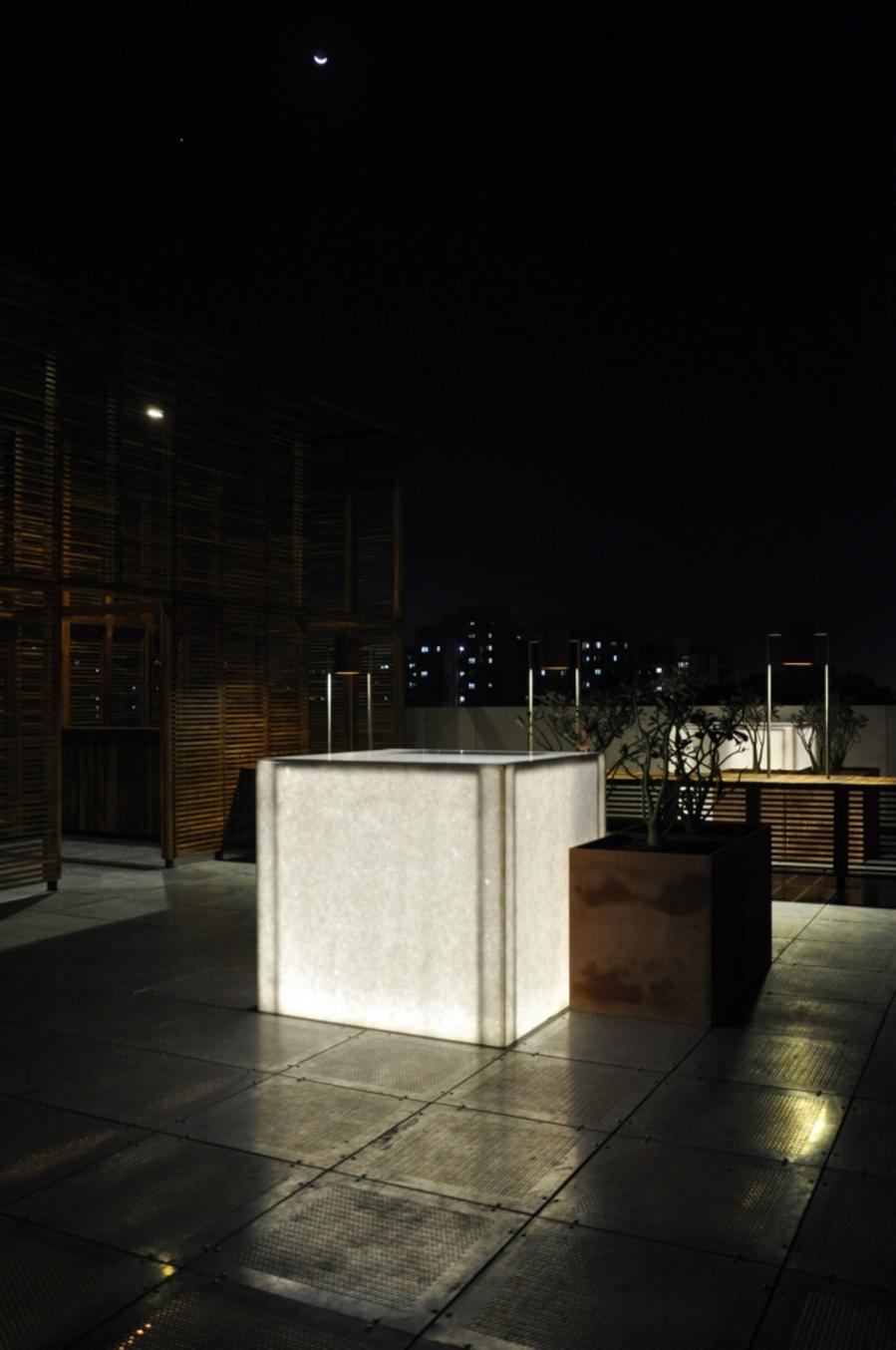
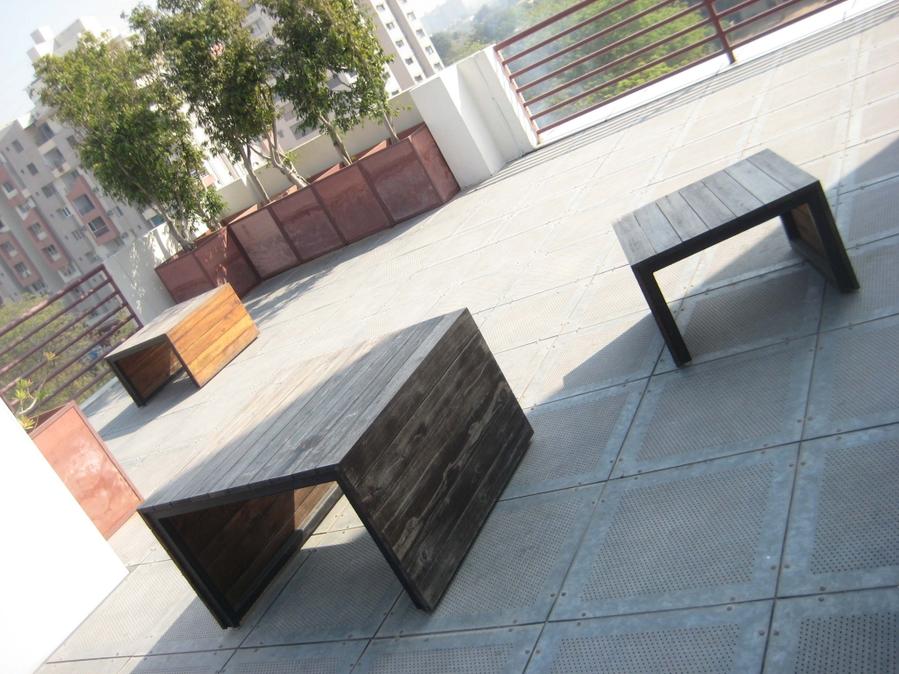
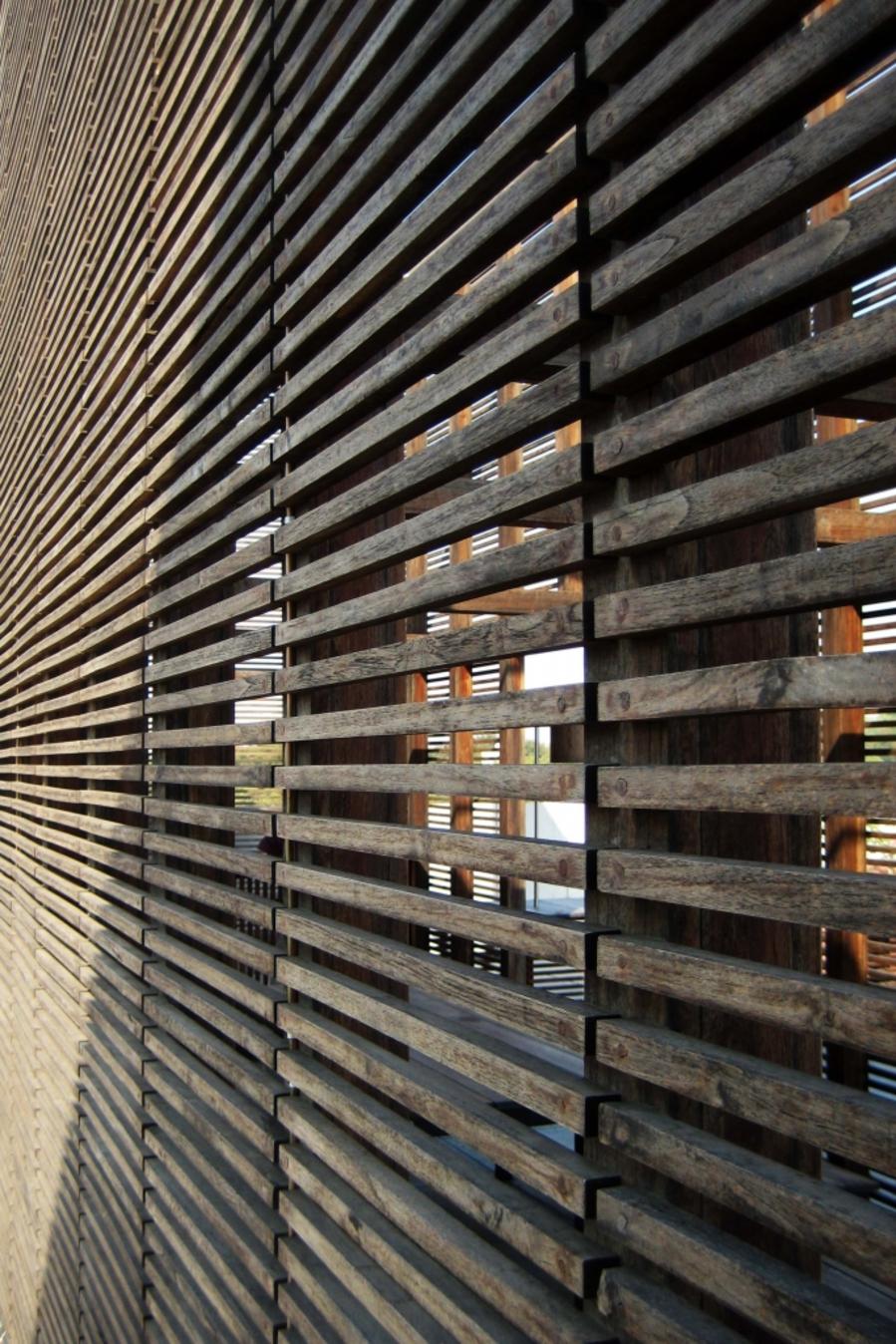
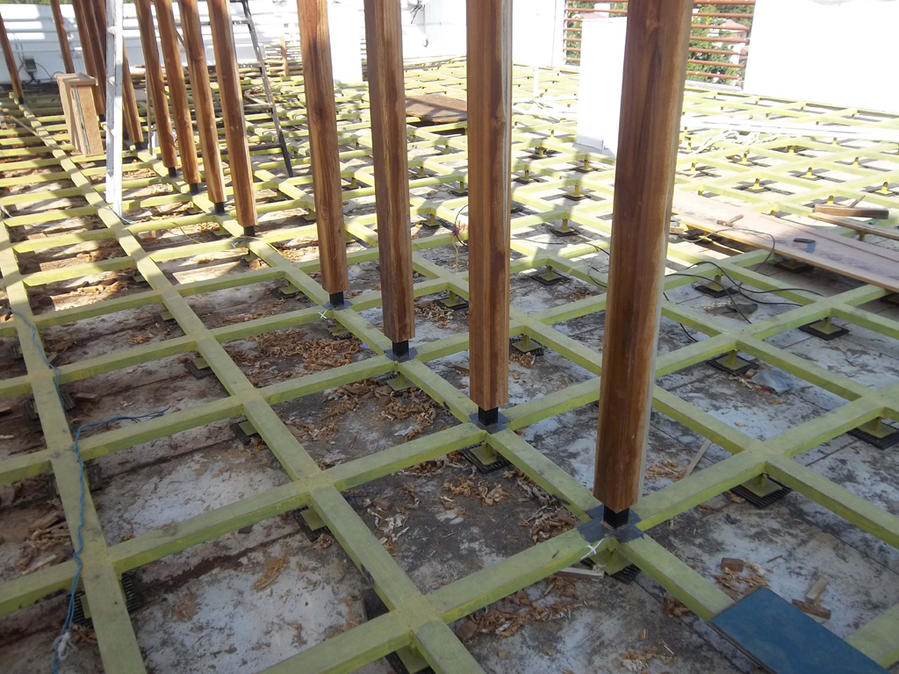
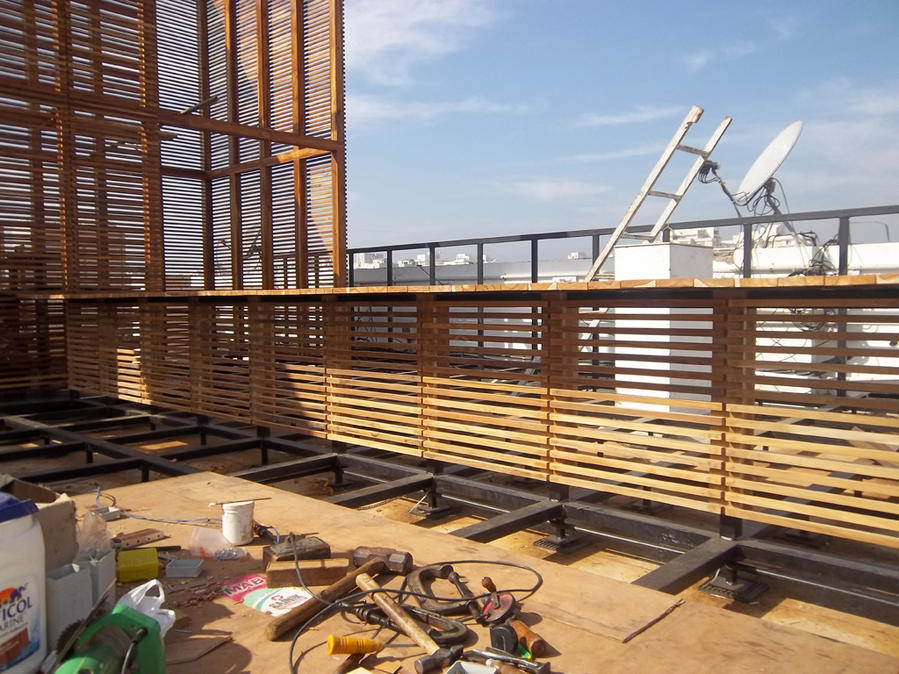
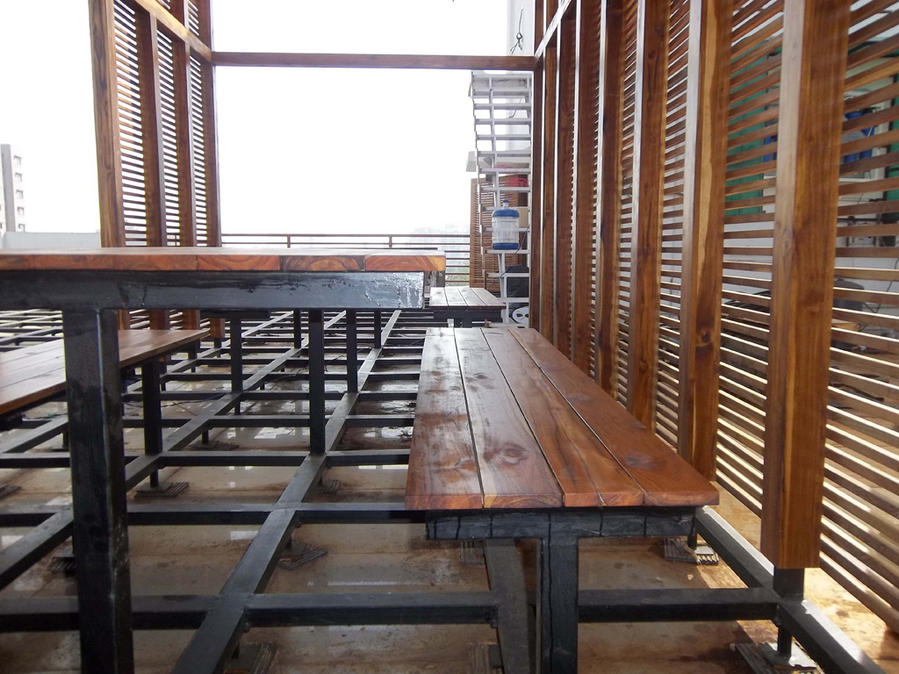
This installation uses a 2' x 2' ms grid to structure every element of this gathering space. Out of it grow benches, tables, bar, lights, serving counter and shelter. Teakwood strips create the shade, surfaces and seats, while white marble cubes, directed lighting and a glowing floor subtly light the place. The floor is elevated 6 inches and clad with perforated galvanized iron sheets, providing shade to the roof below and a well ventilated, quick-cooling surface for night time events.
The project was also an experiment in remote supervision, designed to detail and conveyed through skype, photos and phone calls, constructed while we traveled.