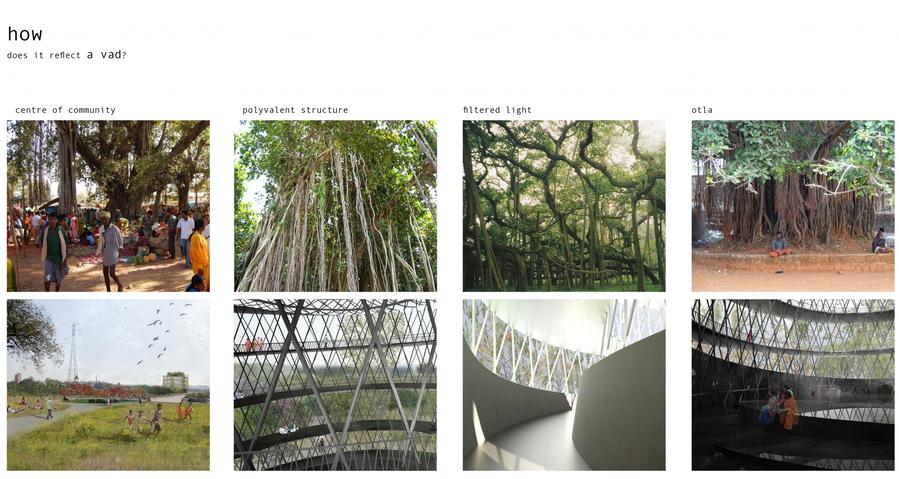
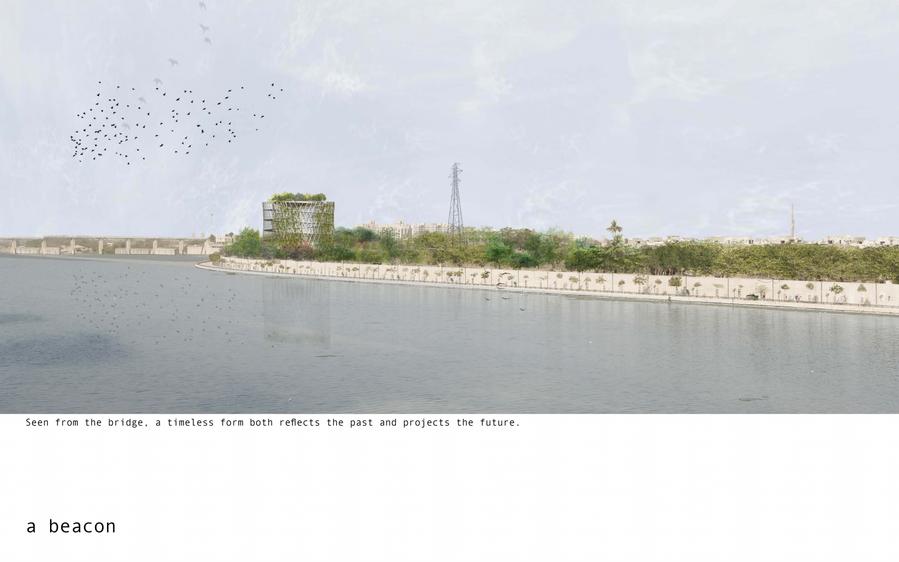
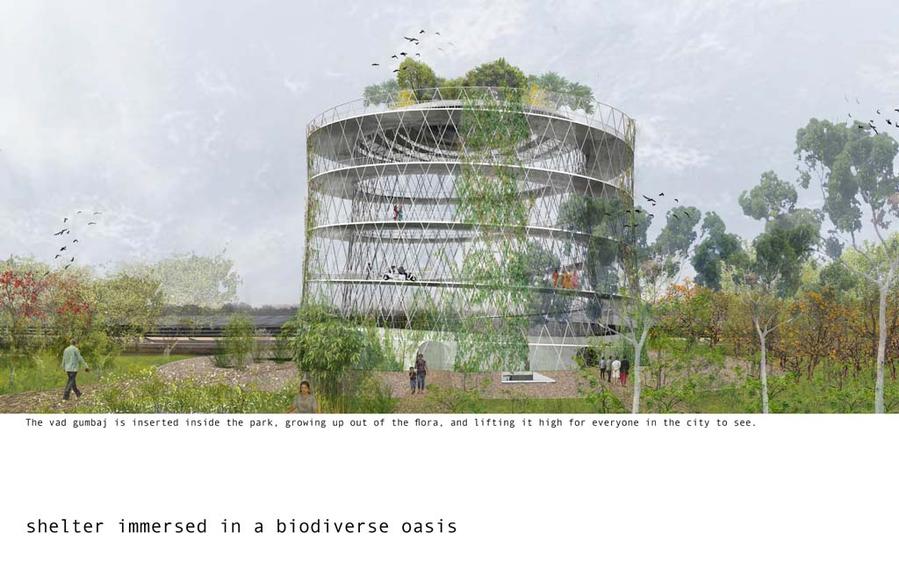
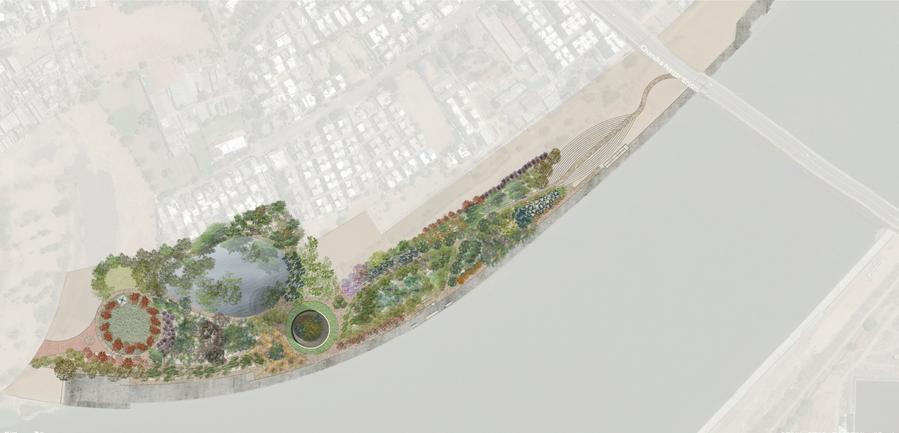
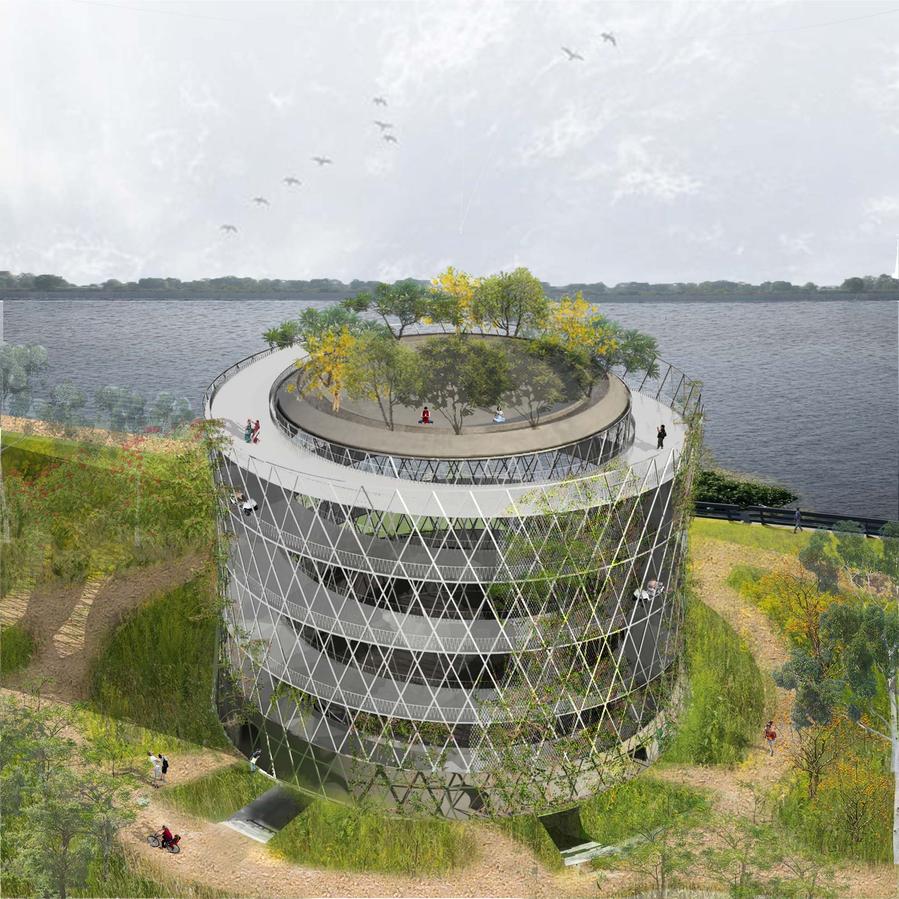
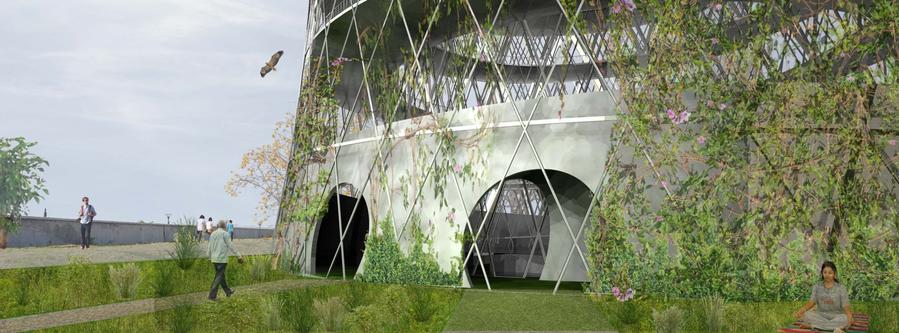
The biodiversity park sits at the bottom of the urban riverfront in Ahmedabad, a resting place for flora and fauna, a moment of pause, to breathe, in the busy city. The vad gumbaj is inserted inside, growing up out of the flora of the park, and lifting it high for everyone to see. Its profile pushes out into the view of the river when seen from far. It is nestled within the species, and takes advantage of existing landscape.
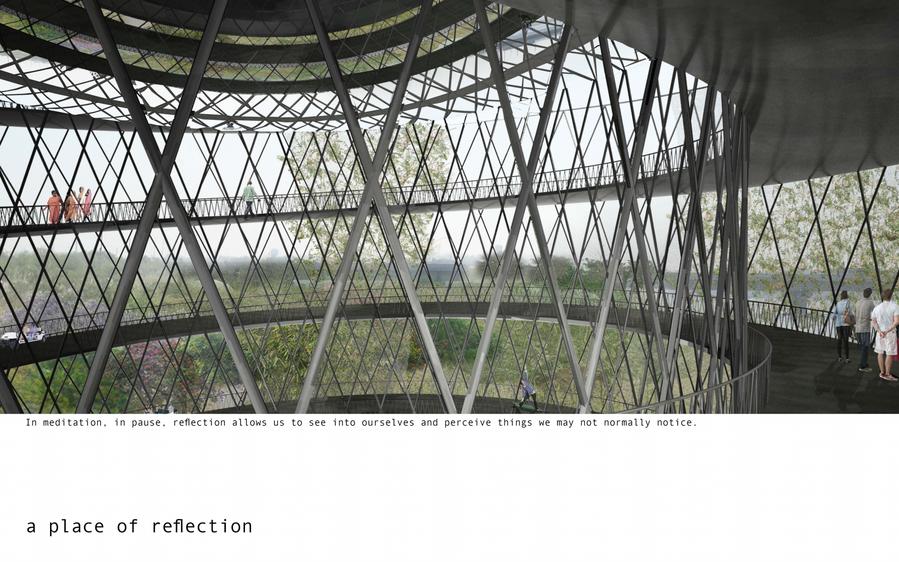
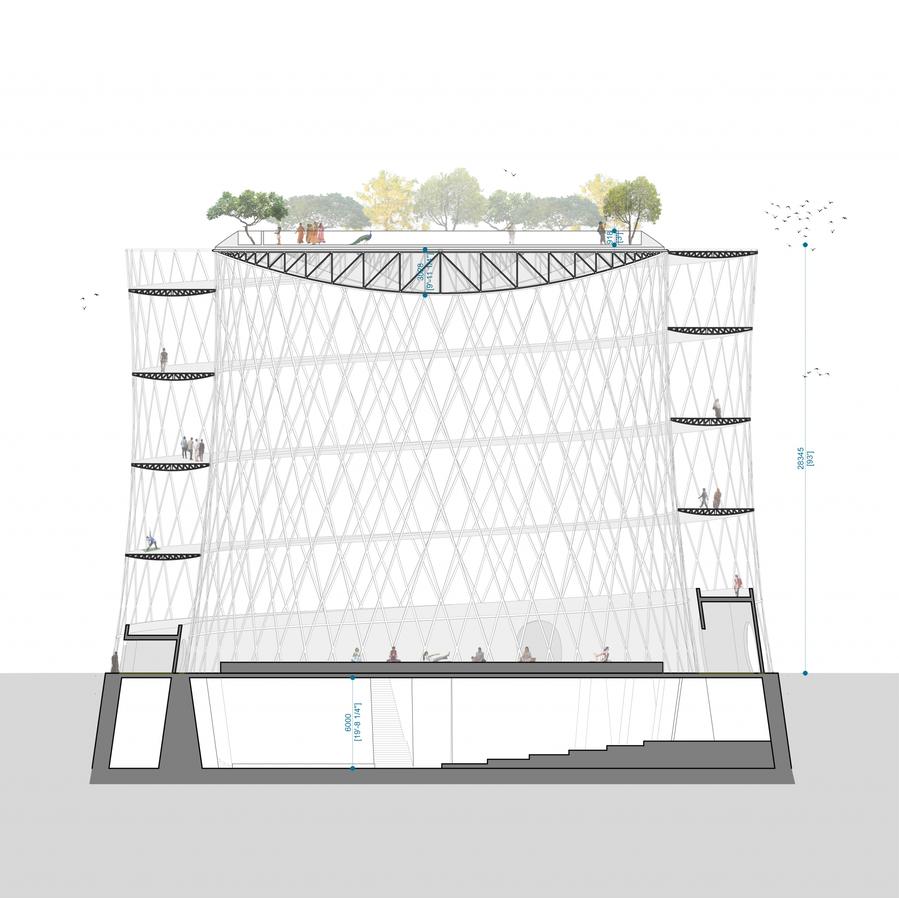
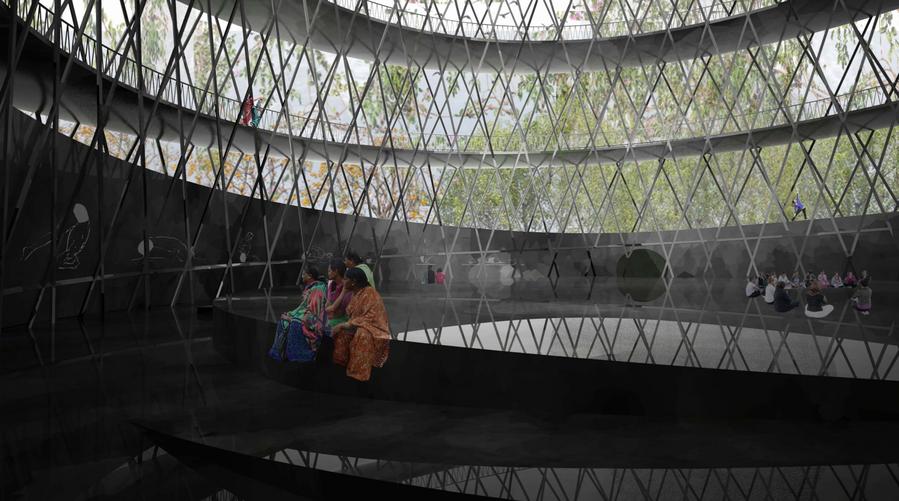
This is a place for ‘one’ and ‘all’, You who want to meditate and connect to yourself, and everybody else too, who just want to watch the reflections of themselves. At the ground level, the heavy walls of the vad gumbaj separate you from the sounds outside. The immediate space is held in quiet. A plinth at the center holds yoga and meditation, while other people circumambulate, following the etched drawings and sayings on the granite clad internal wall.
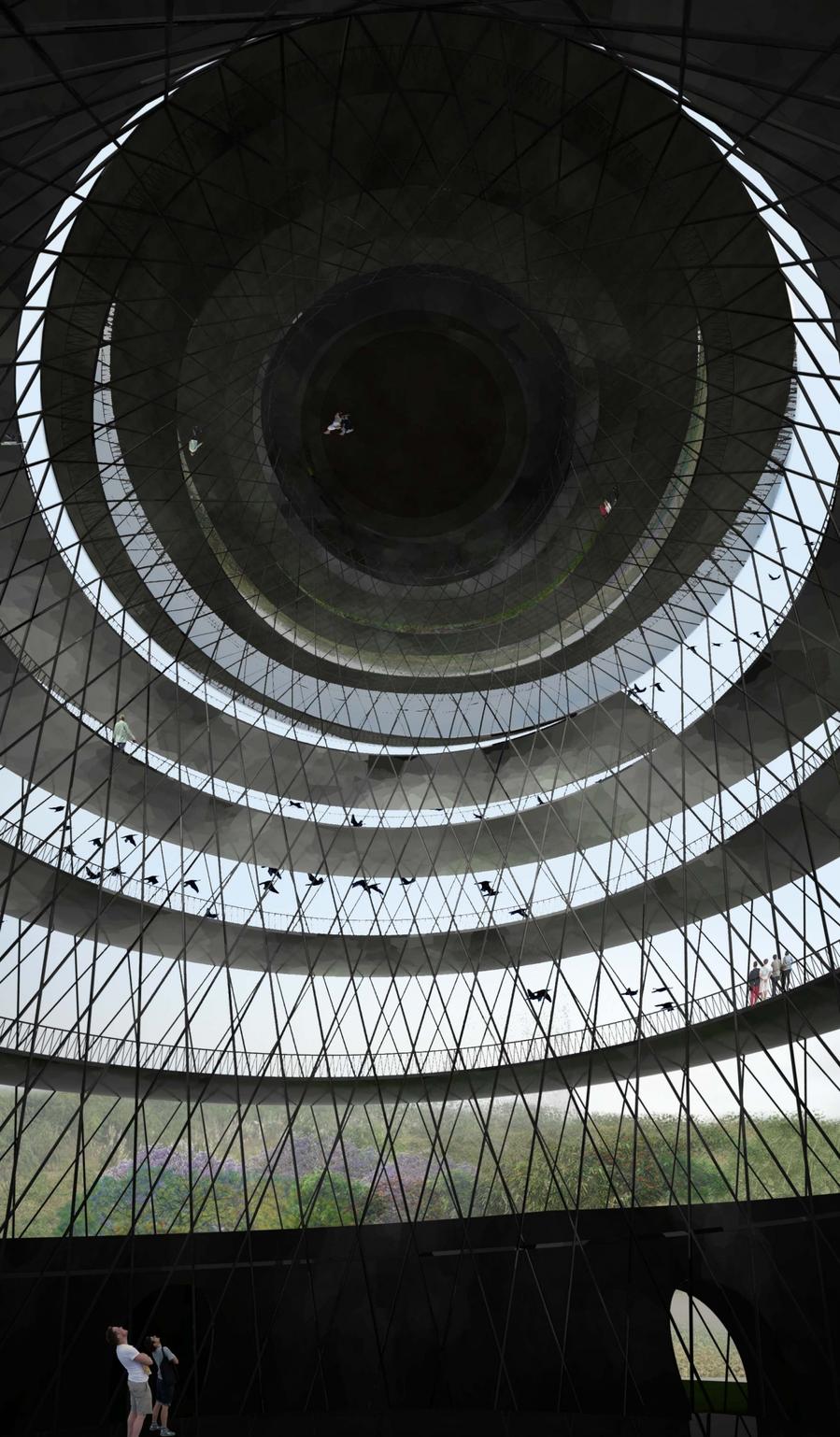
The inverted dome, hanging above, draws reflections in of the ground, plants and the river outside, merging them with the reflections of people on the plinth.
Weld mesh screens attached to the steel structure at critical locations create additional shade at crucial points of the day, while the deep ramp is tuned to act as a chhajja to prevent higher sun rays from entering during the warm midday from March to September. In winter, when more sun is desirable, the low altitude angle lets it come in.
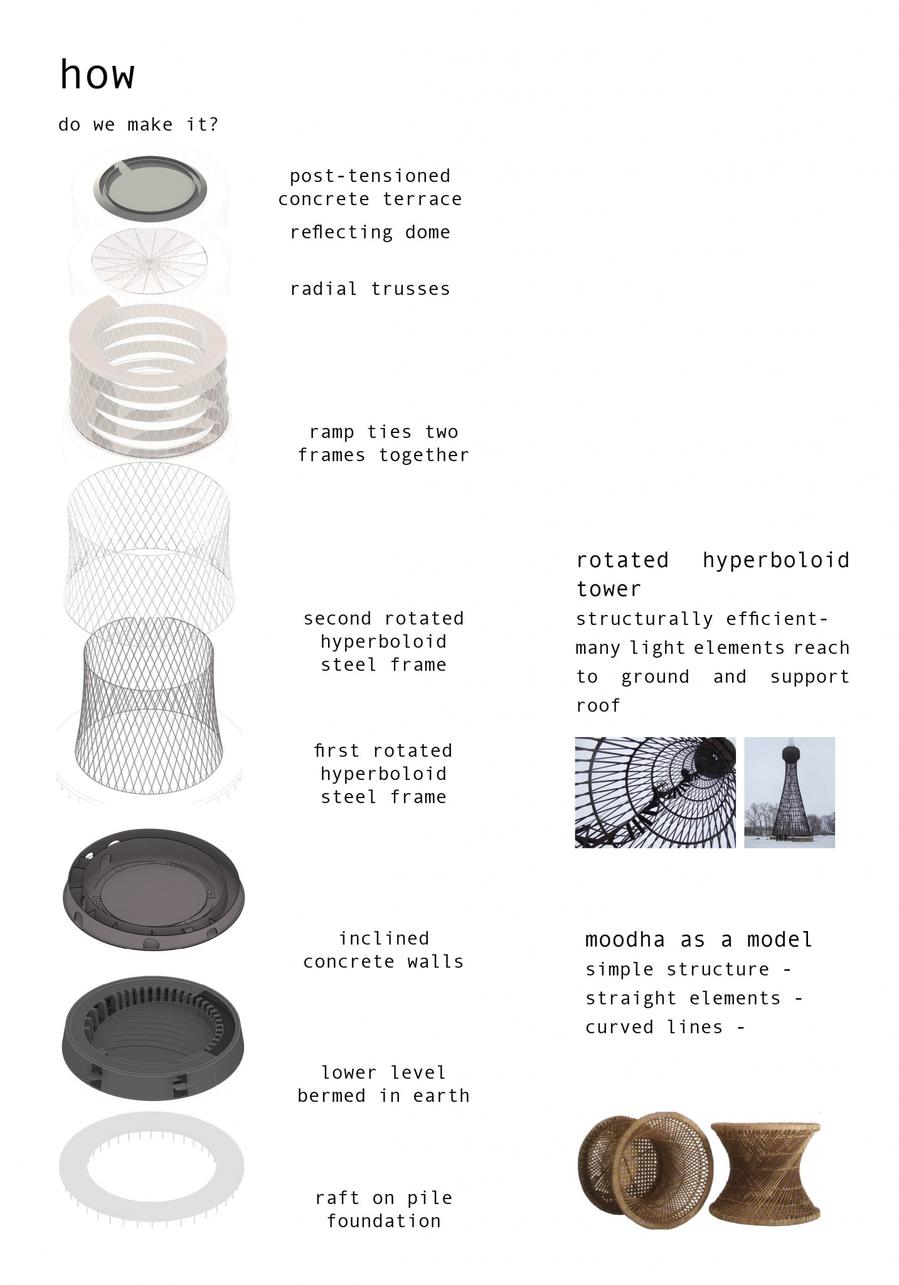
A raft on pile foundation supports the two frames and the ring of concrete walls. Two rotated hyperboloid steel frames rise in and outside the walls. The fabricated ramp acts as a brace for the two frames. Rotated trusses structure the upper level and the reflective inverted dome is suspended from them. The post-tensioned concrete slab is poured on top, with the trusses serving also as a structure for the formwork. This system is lightweight, materially economic, and cost efficient.
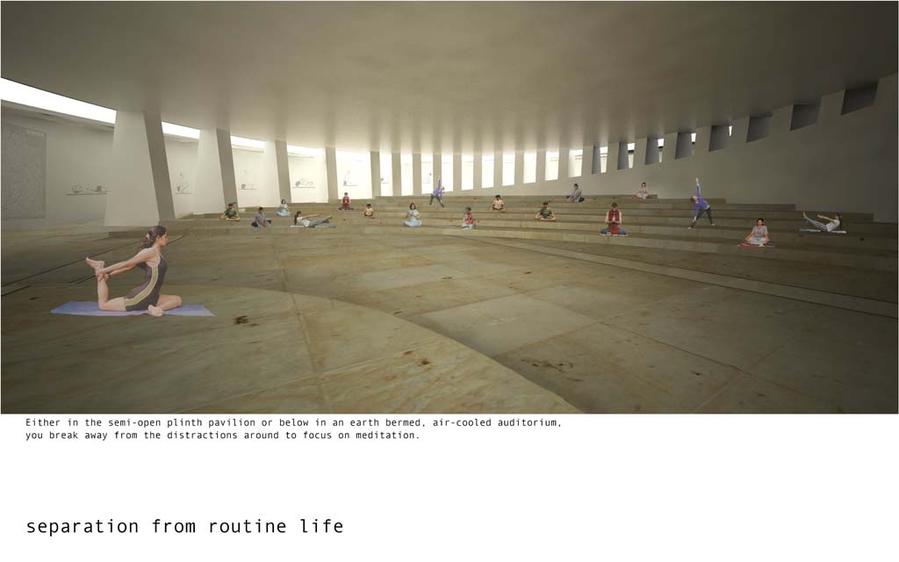
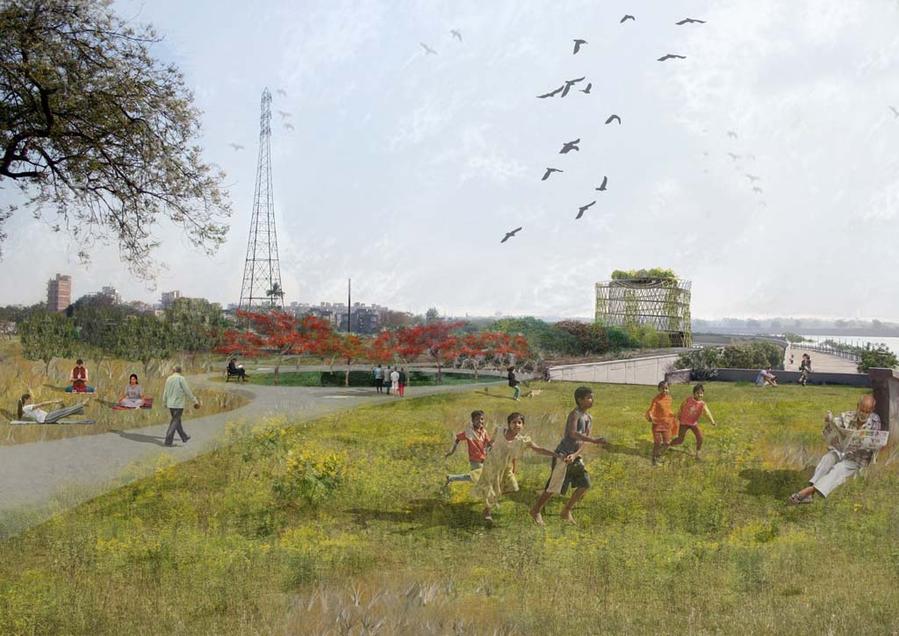
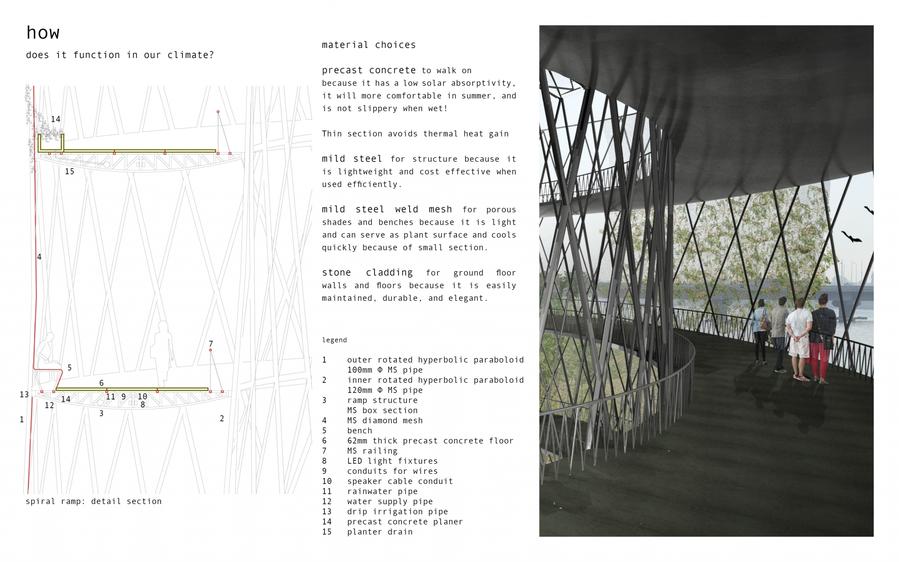
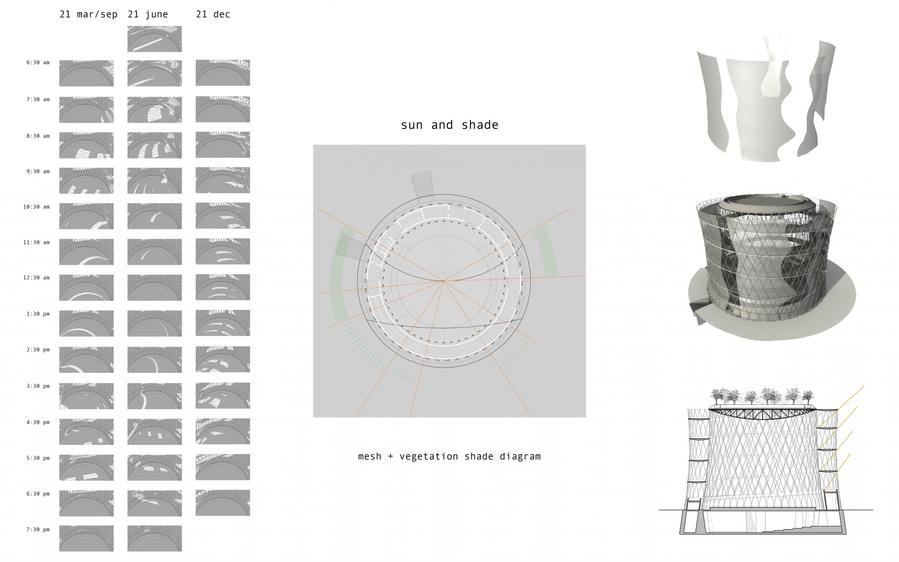

Ahmedabad, Gujarat | 2024
Parikrama is a new house on a large green plot of land in the western, growing, edge of Ahmedabad for an introverted family. The core idea was an architectural strategy to circumambulate the land. To maximise the luxury of space, the mass of the house hugs the boundary, rooms looking inward through a deep verandah, onto an oversized, planted courtyard. Verandahs of varied widths wrap three sides of the central courtyard, which is thickly planted, and lifted up to the viewer’s eye level, with views and foci that shift as one moves around. Along the fourth edge, a ramp rises up, connecting the lower verandah to open terraces in the corners of the house, themselves connected by a narrow passage concealed between the walls.
A miniature inspired plan drawing brings together the influences and heritage of the royal family who commissioned the house with architectural strategies at play.
In the courtyard, a central lawn is surrounded by corners planted with dense native plants to produce a healthy ecosystem in the center of the house. An old neem tree was saved and surrounded by new grasses. An array of carefully selected plants have already invited birds and butterflies to make themselves at home in the central court, while a lone, elevated tree perches on the peak of the roof. A slim verandah shades bedrooms along the courtyard, opening to the land. A series of fountains and water friendly plants line the first step of the landscape, strategically placed to passively cool the breeze as it is drawn through the house. The main living and dining space sits off the wide verandah, behind a series of teakwood doors, anchored in a marble partition. A tall teakwood panel separates the kitchen from the dining, and rich array of brass and glass fixtures are suspenders from the sloped roof to light the tall space.
Stained, patterned glass brings soft light in from the thick, protective exterior wall, reflected by the marble dust gutai plaster and grey terrazzo tiles. Bright furniture pieces soak in all the light and evoke a strong connection to the traditions of craft and bespoke design that have characterised the houses of royal families for centuries in India. The dining table for ten is made with a green marble slab inlaid with semi precious stones, a stone inlay craft that Agra is famous for. Traditional embossed, patterned glass allows light through the teakwood partition between the kitchen and dining areas. The marble partitions were carved from full slabs and shaped into columns that support slotted marble screens - the connection between outside and in, mediated by the soft glow of diffuse light passing through the stone.


Photography credits: Sachin Bandukwala, Ayush Lohia, Tejas Varade, Utsav Patel
Design Team: Melissa Smith, Sachin Bandukwala, Ayush Lohia, Megha Jhawar
Structural Consultancy: Ami Engineers
MEP Consultancy: Jhaveri Associates
Landscape Consultancy: Studio 23N|72E
Contractor: ID Projects Pvt Ltd
Carpentry: Gopal Suthar
Ahmedabad, Gujarat | 2025
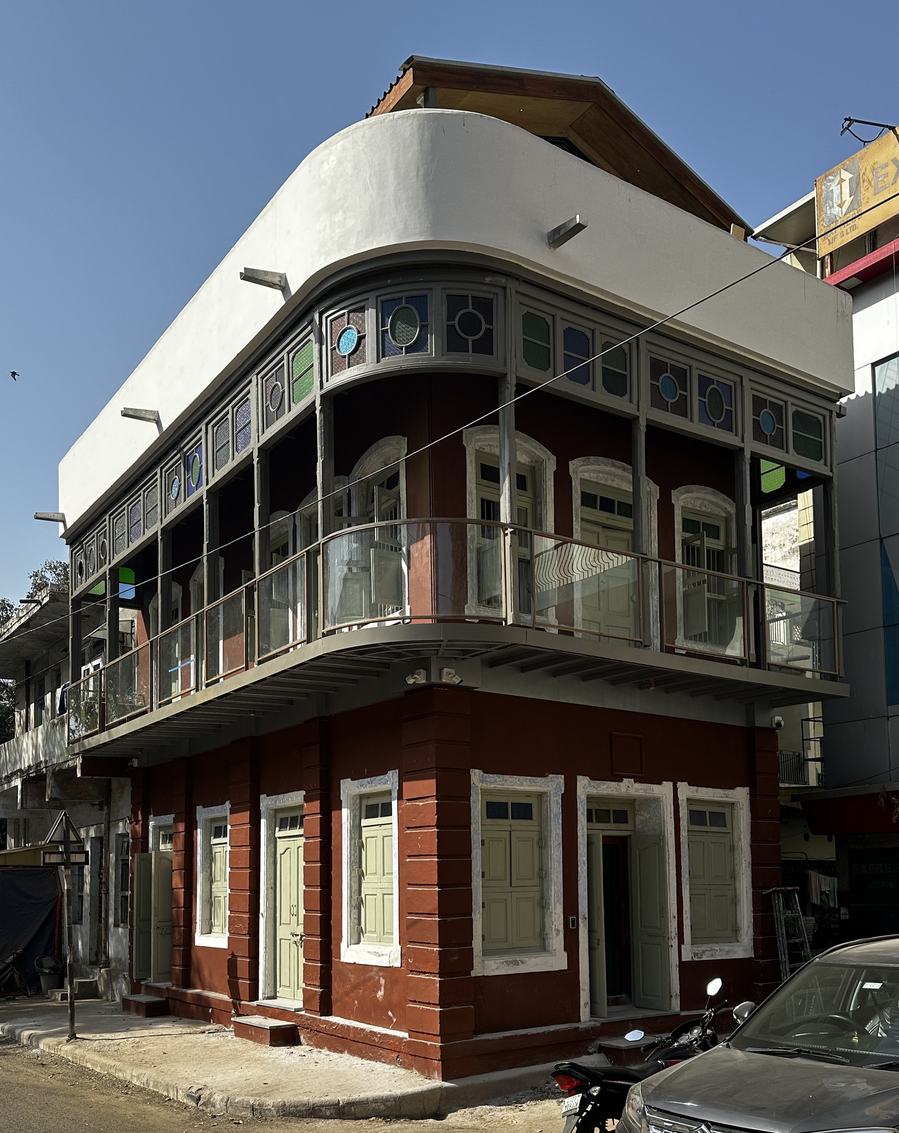
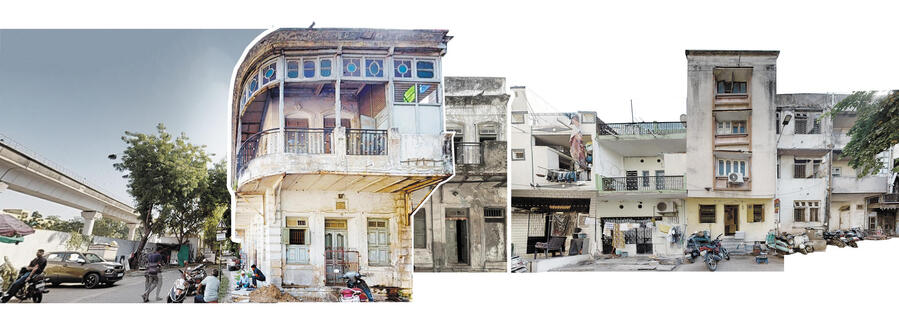
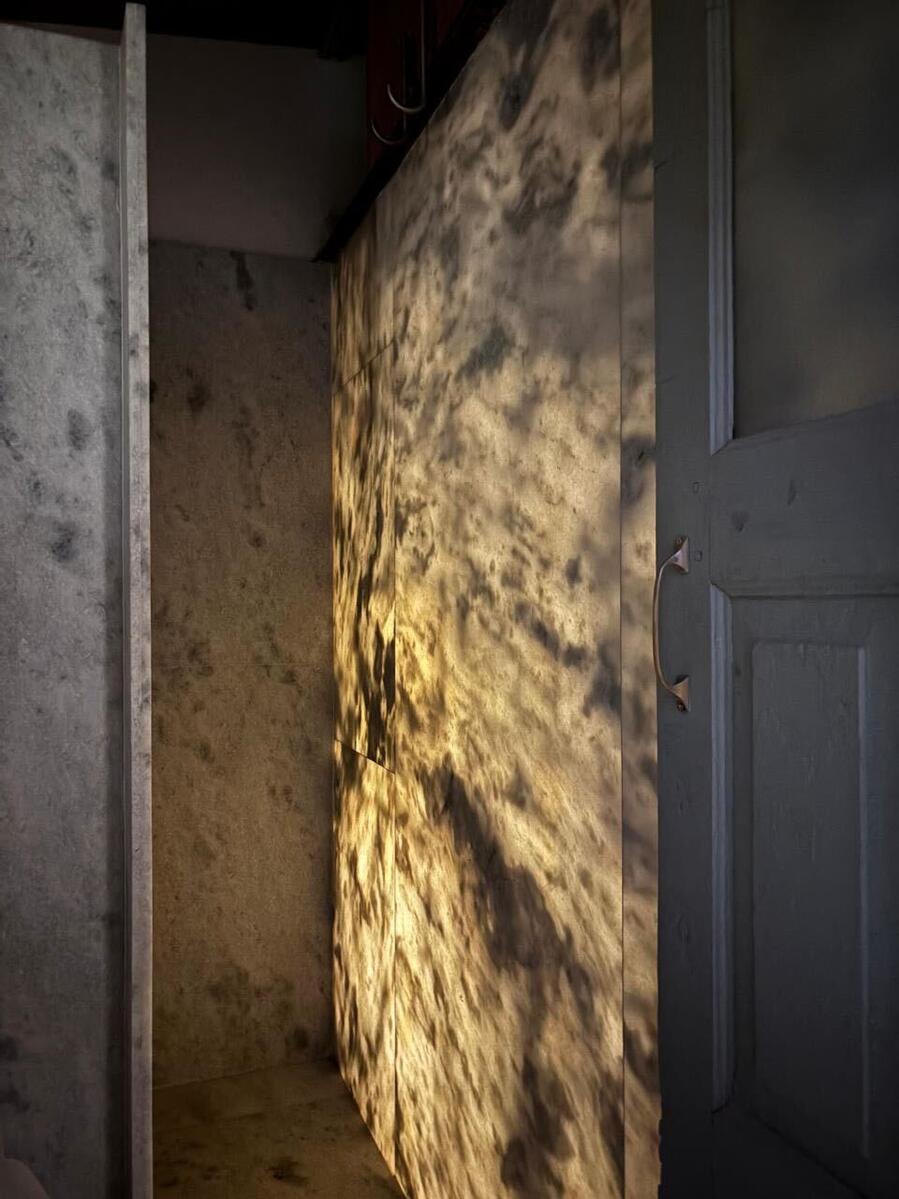
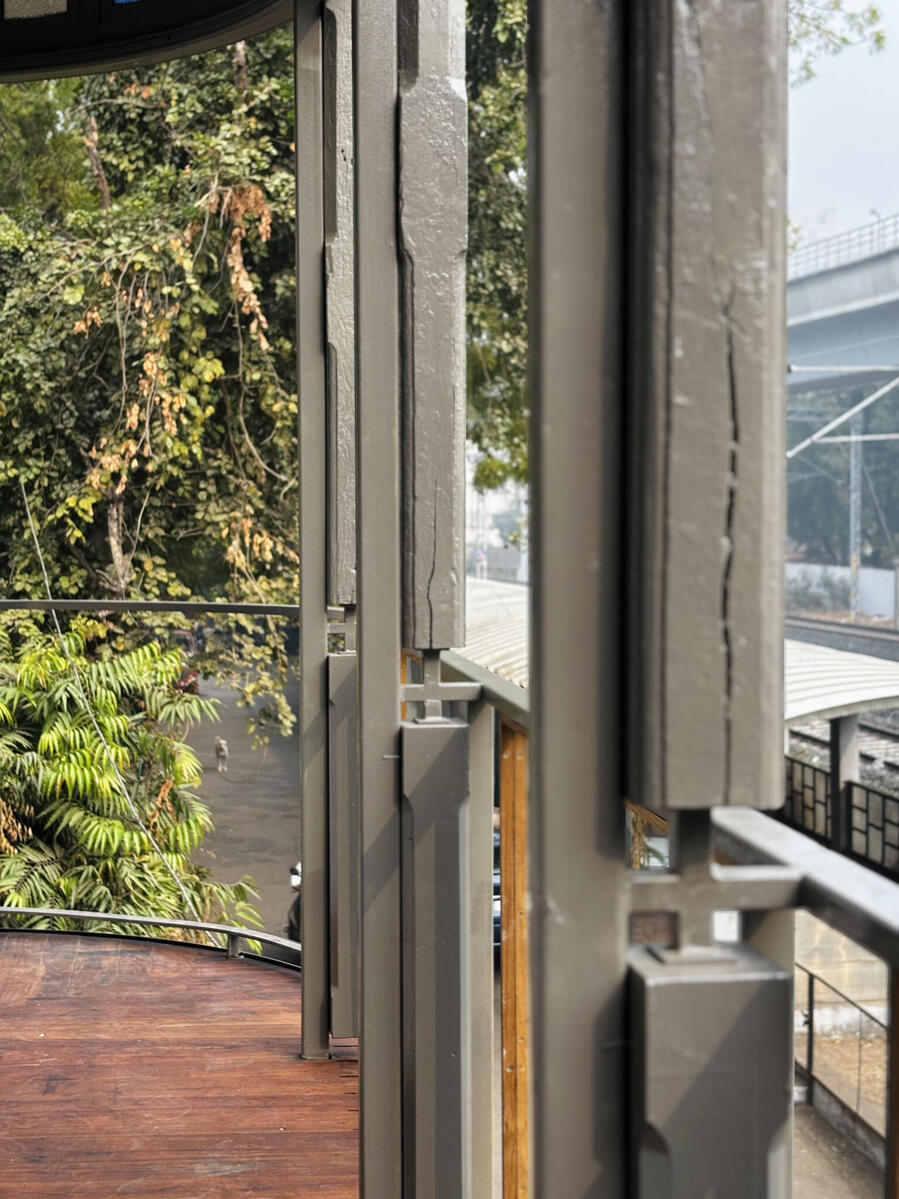
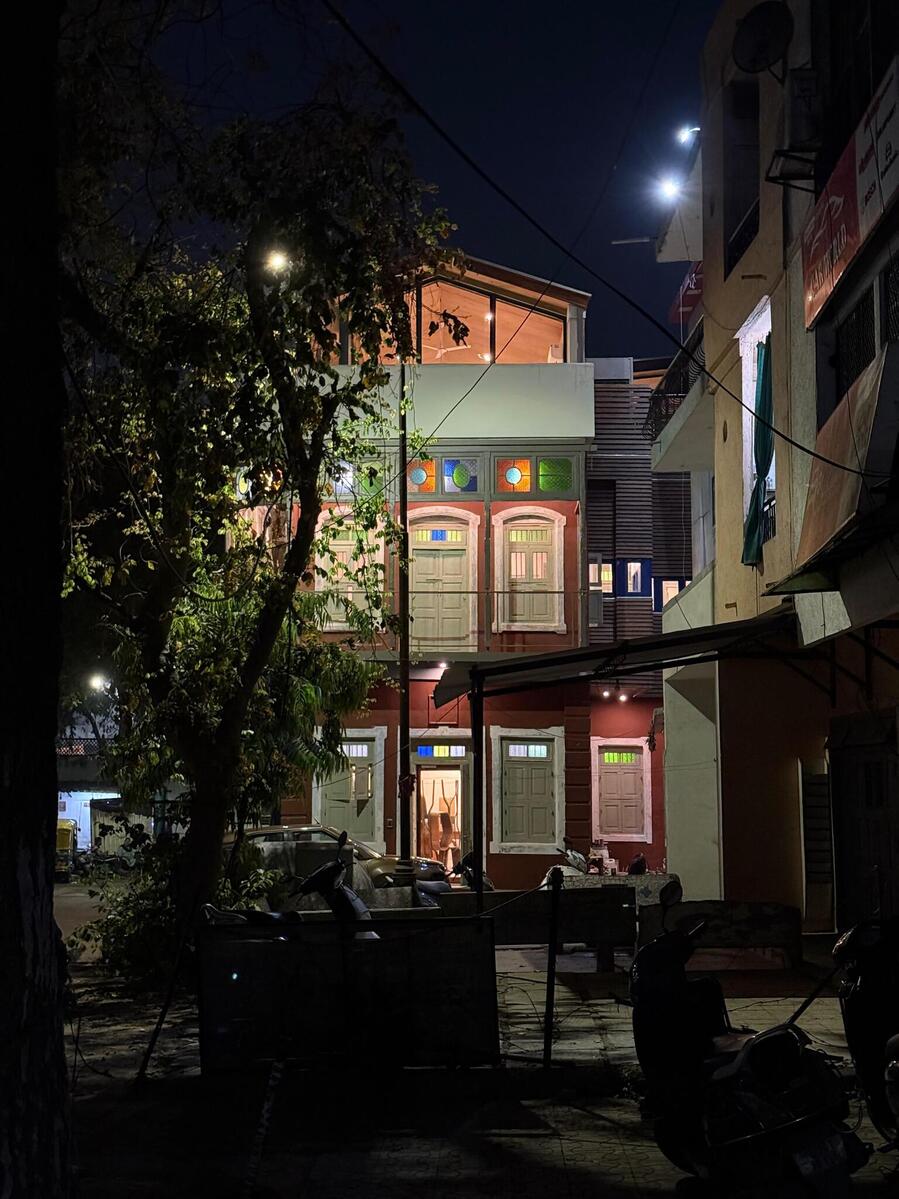
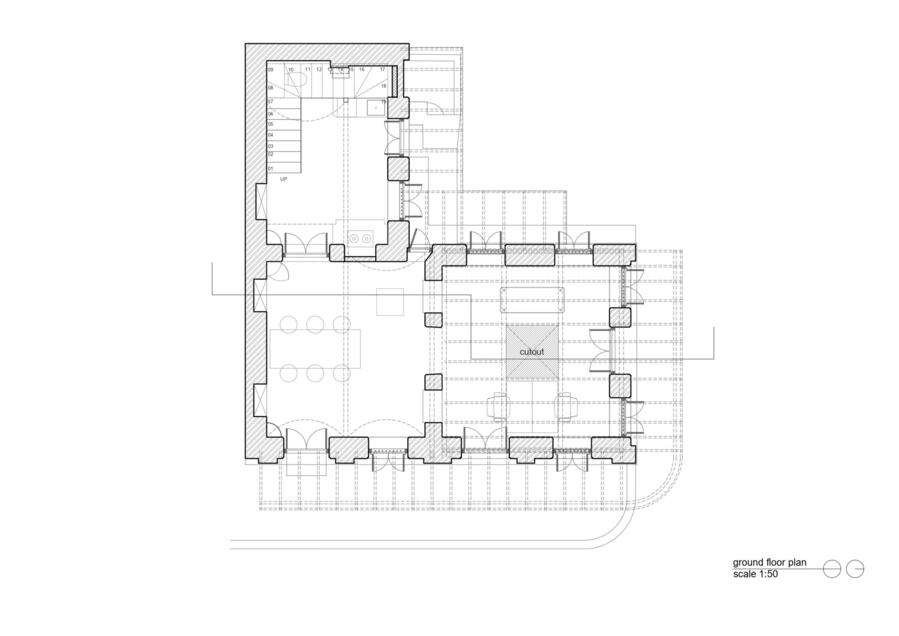
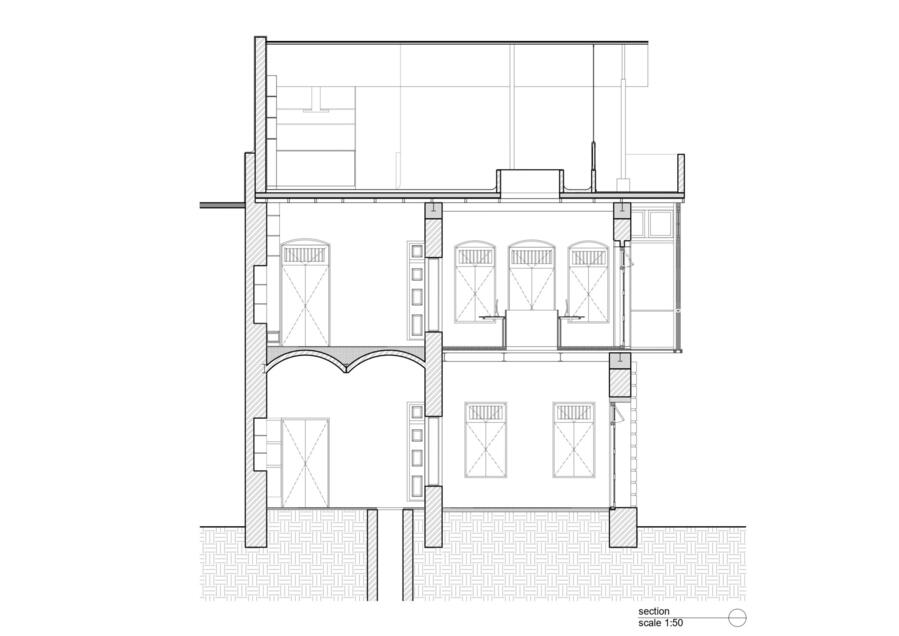
The new BandukSmith Studio is housed in a 94-year old structure in the urban village Mithakhali Gam at the center of the city of Ahmedabad.
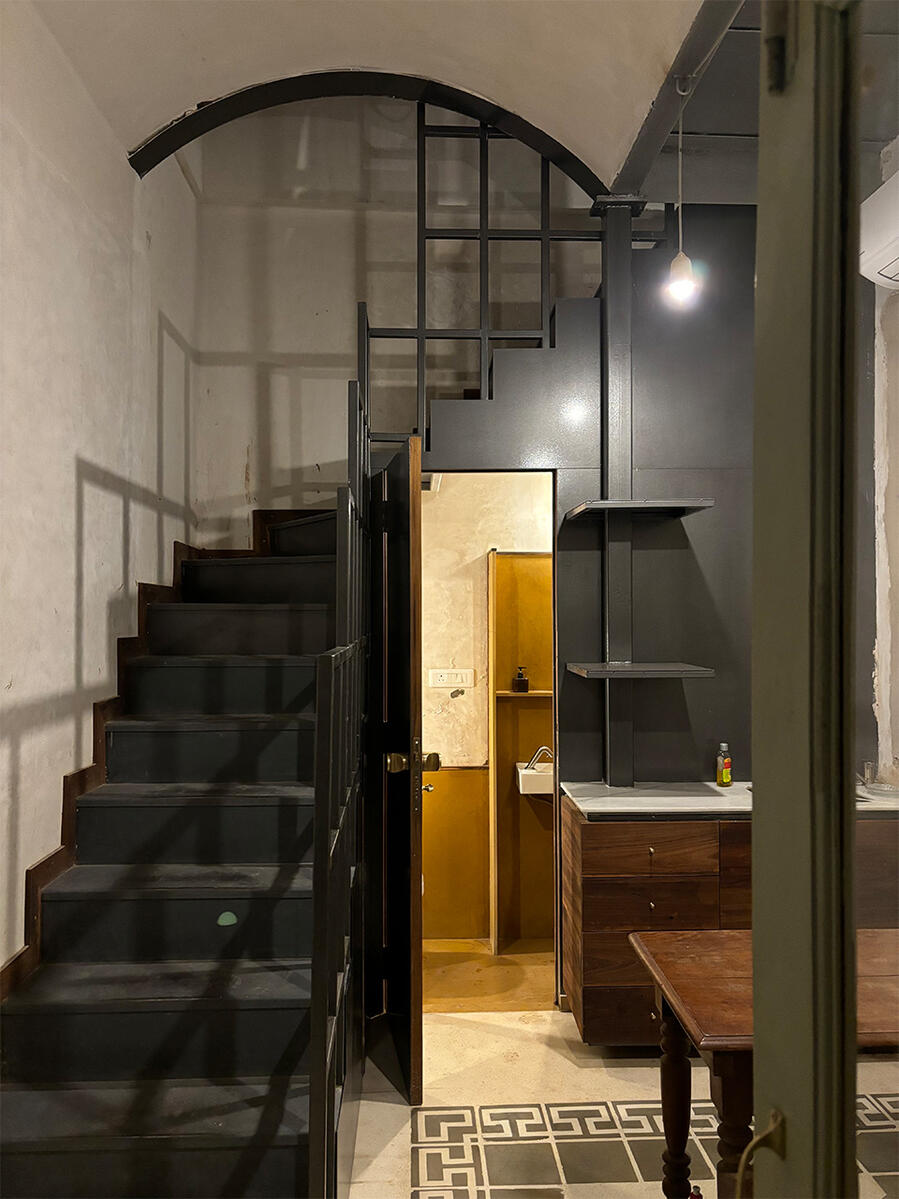
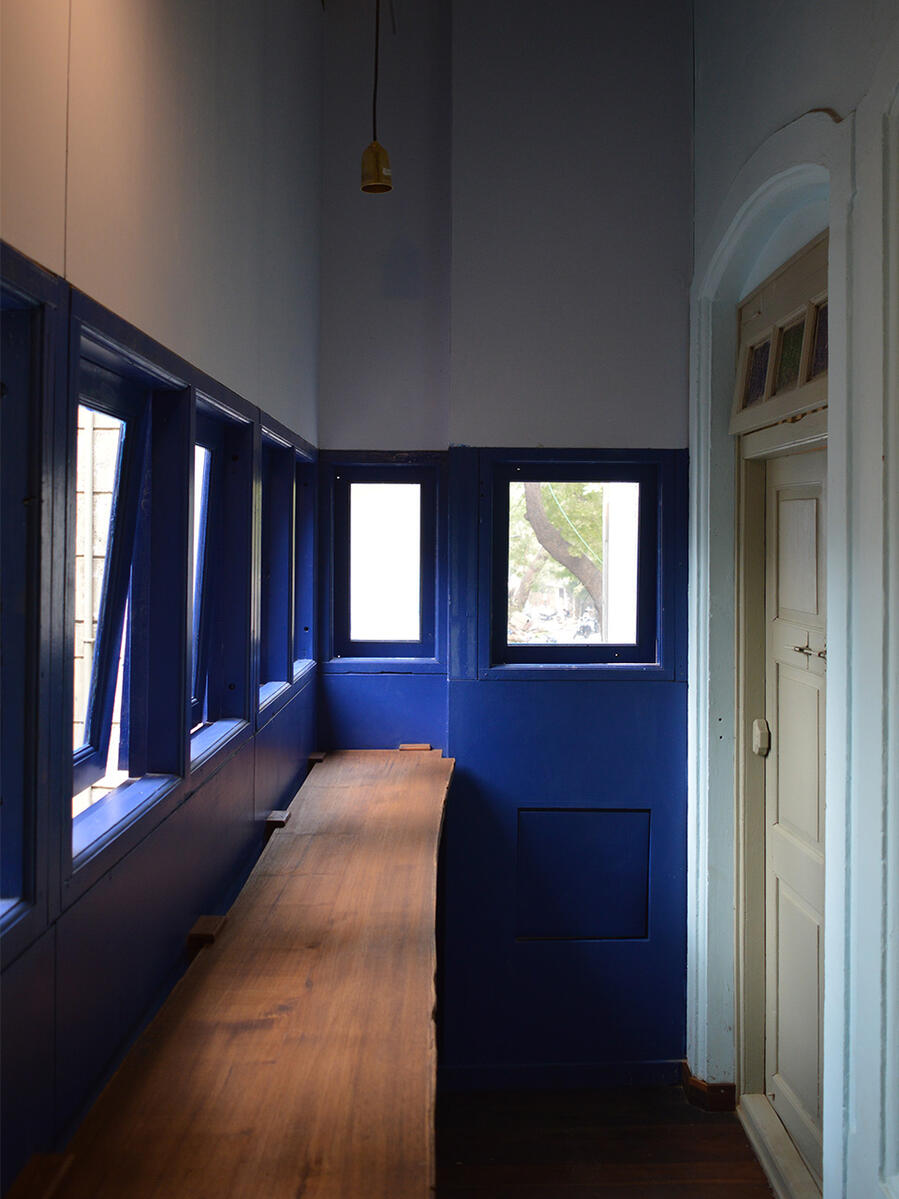
The renovation repairs the original art deco building, and inserts new, clean elements to redefine a new studio space within the old shell.
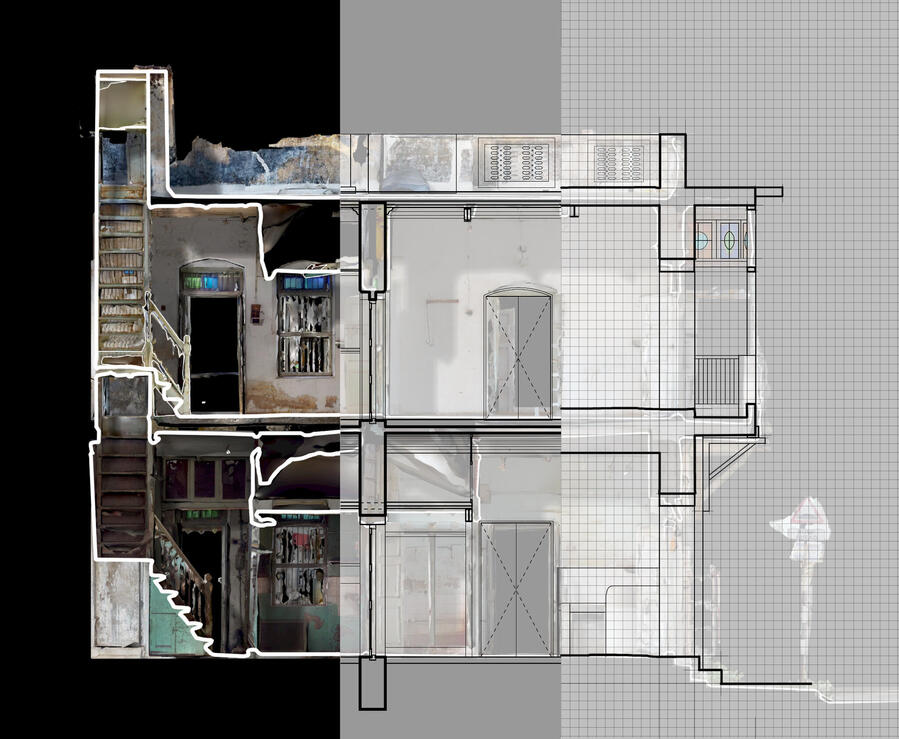
A photogrammetric scan recorded every existing detail of the space, with its visual data processed into a point cloud model that served as the first step to strategic, sensitive repair. The design favours experimentation over clarity, and aims to create a contemporary workspace that builds on and extends the historic frame, reusing every last bit of the original building, while exploiting opportunities for innovation.
Photography credits: Melissa Smith, Nishit Patel, Radhika Choksi, Swaraj Dhuri, Unnati Gandhi
Design Team: Melissa Smith, Sachin Bandukwala, Jhanvi Oza, Nishit Patel, Maitri Lad, Ruzeb Mohammed
Structural Consultancy: Ami Engineers
Contractor: ID Projects Pvt Ltd
Carpentry: Gopal Suthar
Fabrication: Mahadev Craft
Ahmedabad, Gujarat | 2015 - ongoing
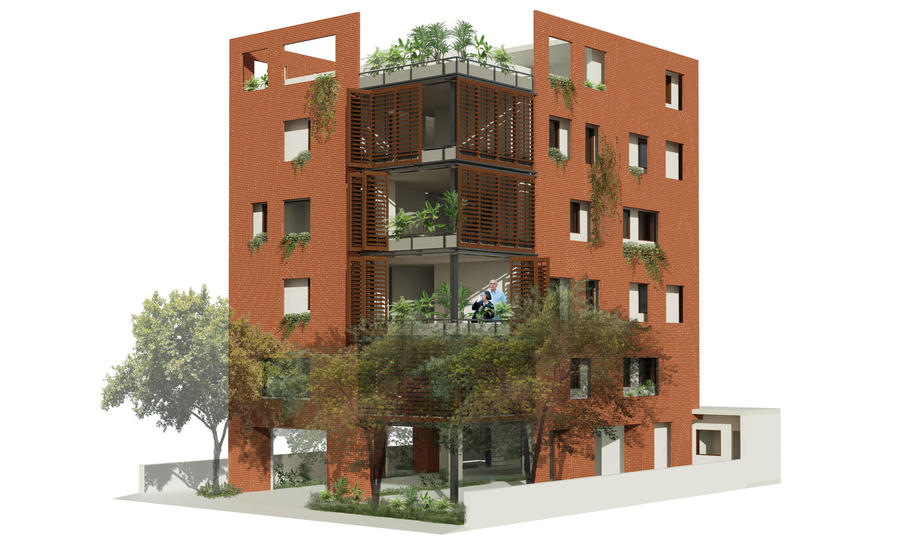
Two homes for the families of two brothers are stacked vertically into one joint house. A private, protected haven, the four storey structure is sheltered by a series of floating brick walls, and illuminated indirectly through a wood and marble core "chandelier" that peaks out into one corner of the facade and filters in light, spread deep into the house by the soft glow of white marble.
Bhandotra, Rajasthan | 2018
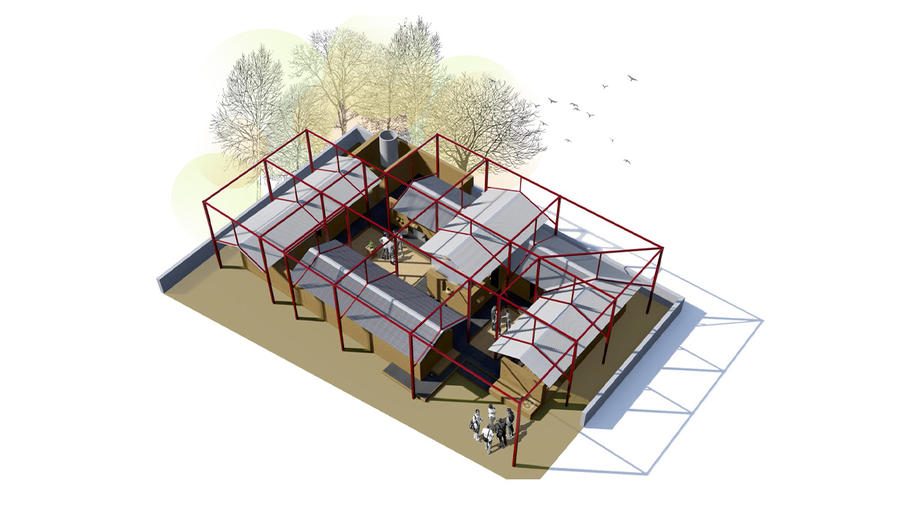
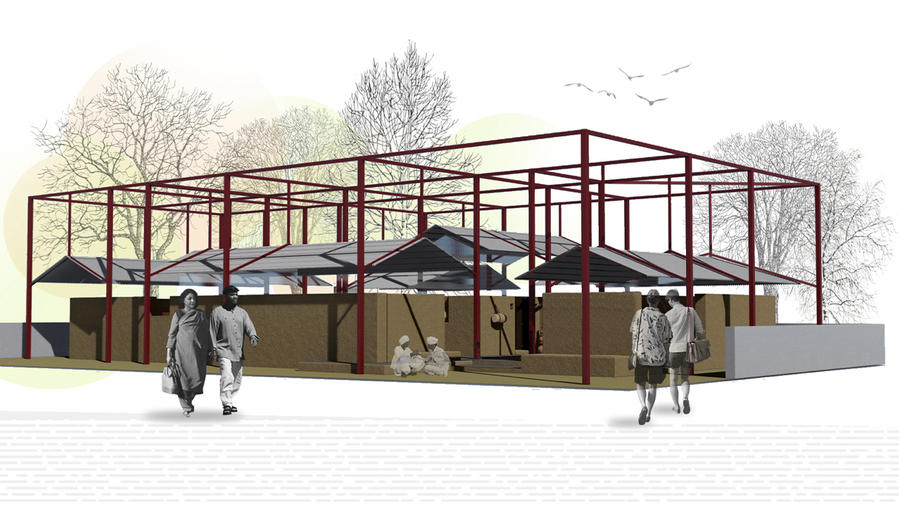
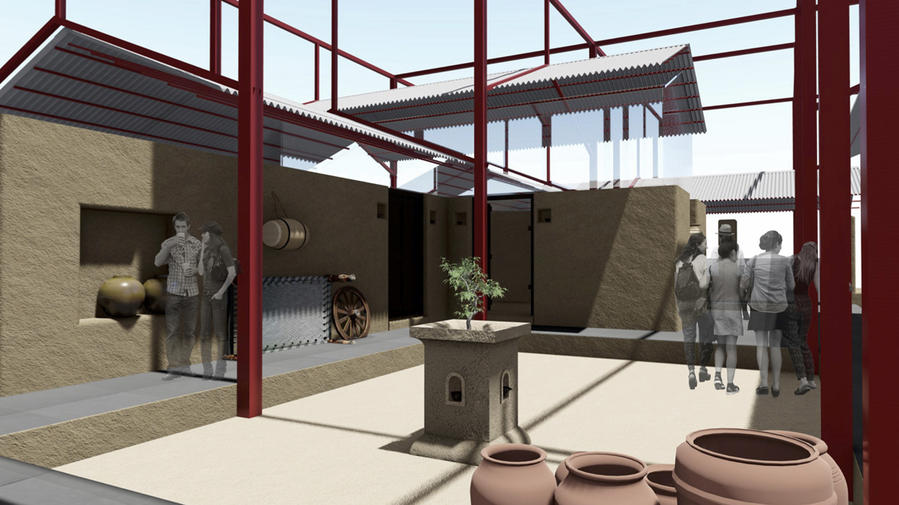
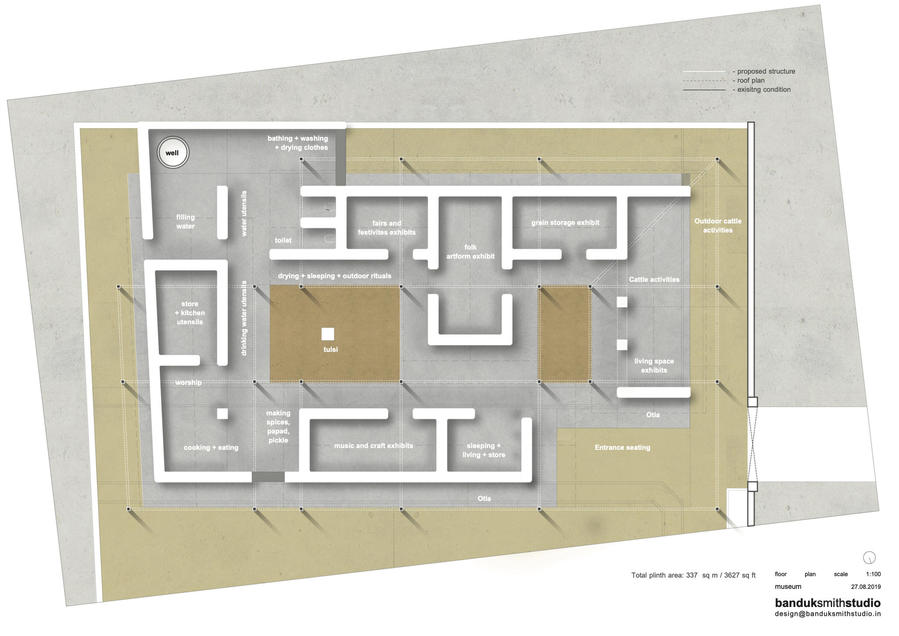
Bhandotra Museum is a folk museum near the border of Gujarat and Rajasthan, designed to commemorate the traditional rituals of village life. We proposed a hybrid technology - using traditional stone studded, rammed earth walls and "lifting" the roof as a means to open up the interiors to light (and make them taller - traditional houses are low to the ground), by hanging corrugated sheet roofs from a light steel frame that encompasses the campus.
Deesa, Gujarat | 2023
The orchard sits near the foot of the Aravalli Range in western India, surrounded by potato farms. With a raised deck, a few choice cuts and a linear plan that bends around corners, the house delicately navigates a grid of mango trees while its vistas peak down the rows for glimpses of the first stone of the mountains.
To create a living space that sits lightly between mango trees in an orchard on a working farm, and to balance the realities of growing and the beauty of the site, the elevated structure floats eight feet above the ground, and the house is placed in gaps left where trees had not survived, with a canted roof that protects its residents from the harsh sun, and a rich interior that views the lush green canopies from all its sides.
A structural steel deck laid with wooden planks extends around the house, perforated by wide circular cutouts for mango trees that grow up through the space, protecting the residents. A pool playfully juts off into the trees, while one cutout conceals a spiraling stair that reaches down to the ground. Below the floating deck, strips of light reach the cool, shaded ground below, and a series of sunken rooms, plastered in a traditional marble dust ”gutai” plaster, selectively draw in light, which is amplified across bright white marble floors and the sheen of the plaster, without drawing in its harsh heat. The heavy, lower portion of the house keeps residents cool in the hot afternoons, while the upper pavilion cools quickly once the sun lowers in the evening, allowing the space to open and extend into the protective vegetation that surrounds it.
The balance of the project puts to use every bit of material wastage, converting stone slivers into pathways and plinths, and drawing on leftover wood to develop interior panelling details, and to facilitate improvements in the barns and sheds for crop harvesting.


Photography credits: The Space Tracing Company
Design Team: Melissa Smith, Sachin Bandukwala, Megha Jhawar, Mudit Tikmani, Vishant Solanki
Structural Consultancy: StrucArt Design Consultancy
MEP Consultancy: -
Contractor: Mohan Prajapati
Carpentry: Mukesh Mevada
Radhanpur, Gujarat | 2022 - ongoing
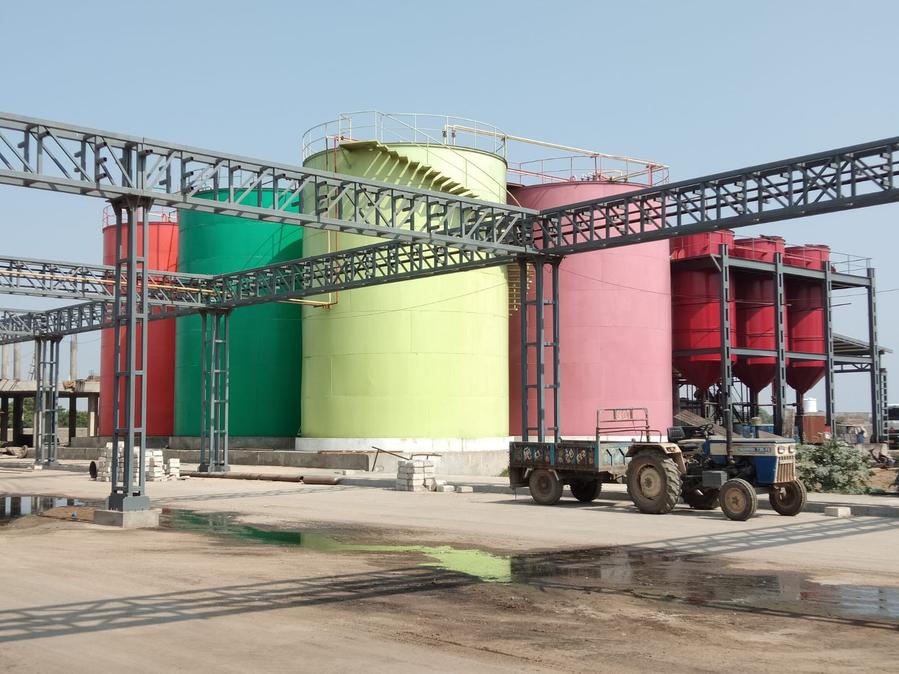
Who ever said that factories should be grey? This colourful approach to a factory producing edible oils in northern Gujarat uses bright paint, an organised main street development plan, and friendly, accessible blue green strategies to challenge the anything-goes attitude of typical industrial landscapes in India.

Ahmedabad, Gujarat | 2022
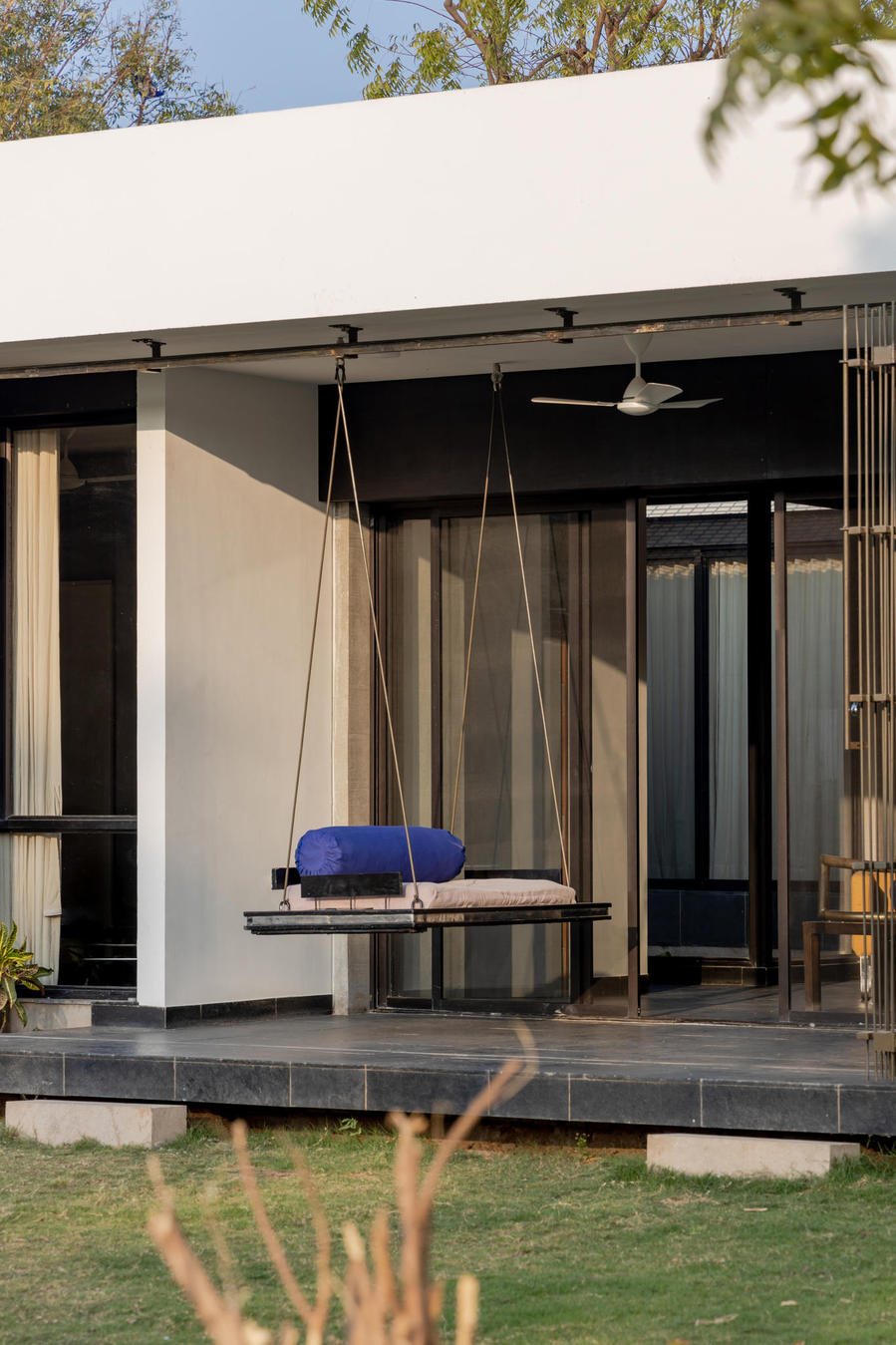
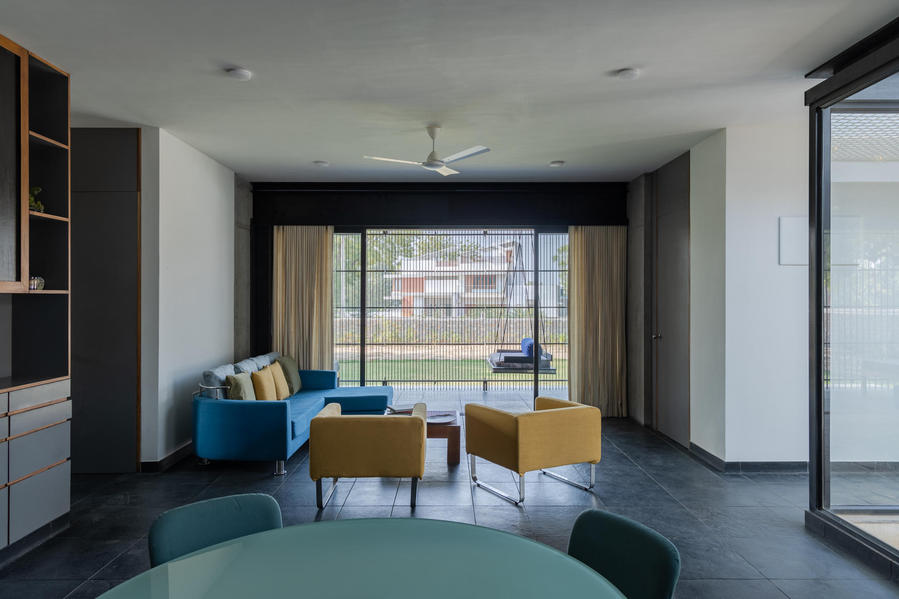
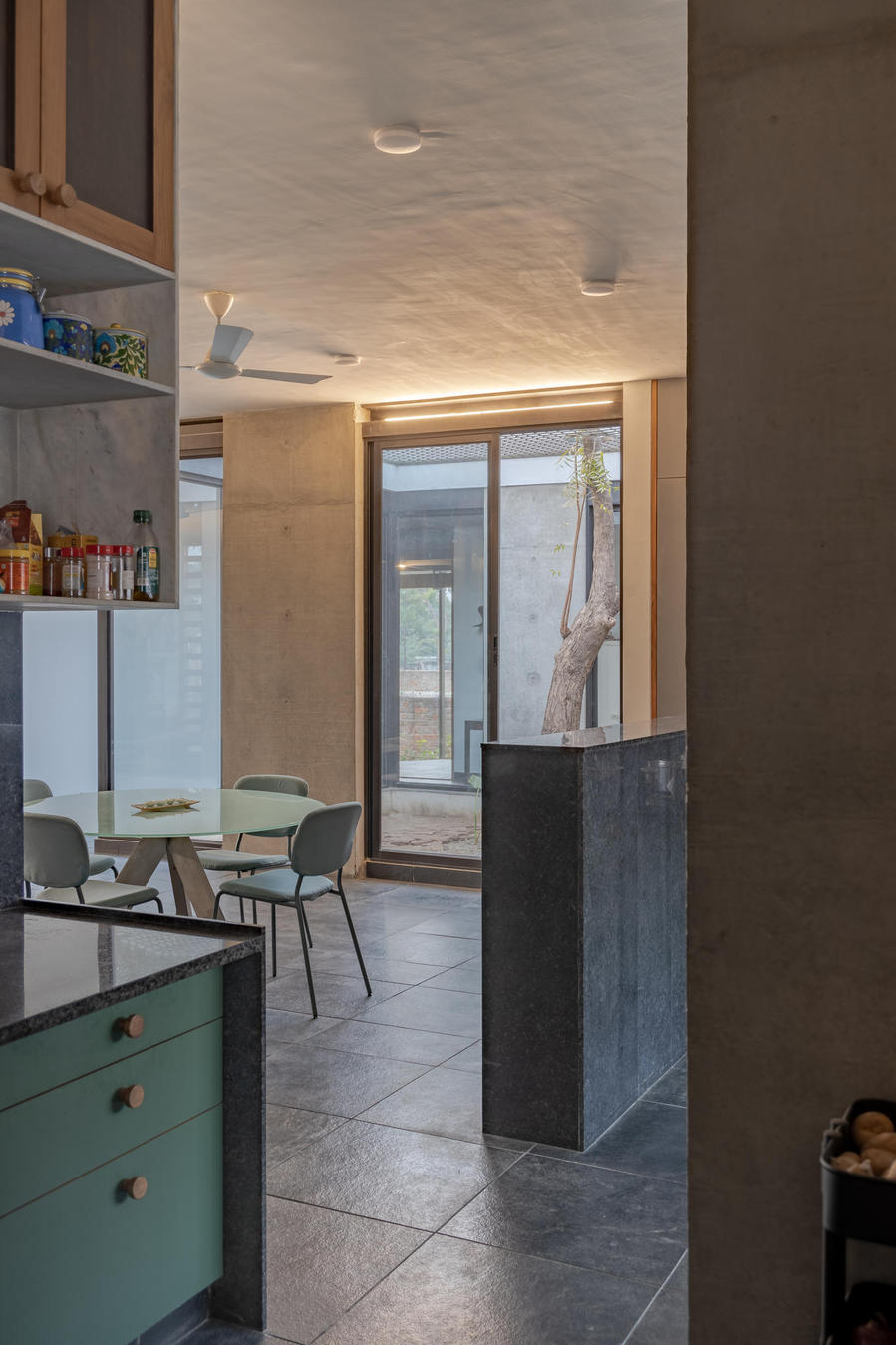
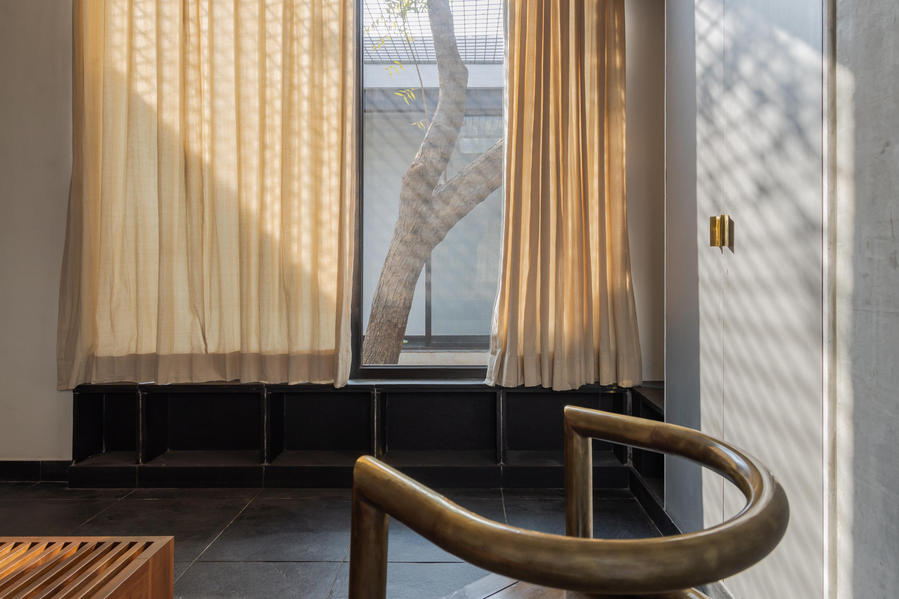
This four-bedroom courtyard house for a family of three sits in the outskirts of Ahmedabad. The brief was to design a thermally comfortable, minimal home with clean movement and flexibility in the spaces while acknowledging the existing trees on site. The aim was to achieve a delicate balance in the spatial arrangement and materials used in the project.
The plan is oriented toward the entrance on the north, with common space on the central axis. Bathrooms kept in the four corners insulate the interior. No rooms are directly exposed to exterior light; green strips bring indirect daylight deep into the square plan.


Photography credits: The Space Tracing Company
Design Team: Melissa Smith, Sachin Bandukwala, Hiral Kandoi, Mishal Dodia, Rushikesh Gawade
Structural Consultancy: StrucArt Design Consultants
MEP Consultancy: Jhaveri Associates
Contractor: Hitesh Purohit
Carpentry: Omprakash Suthar
Ahmedabad, Gujarat | 2021
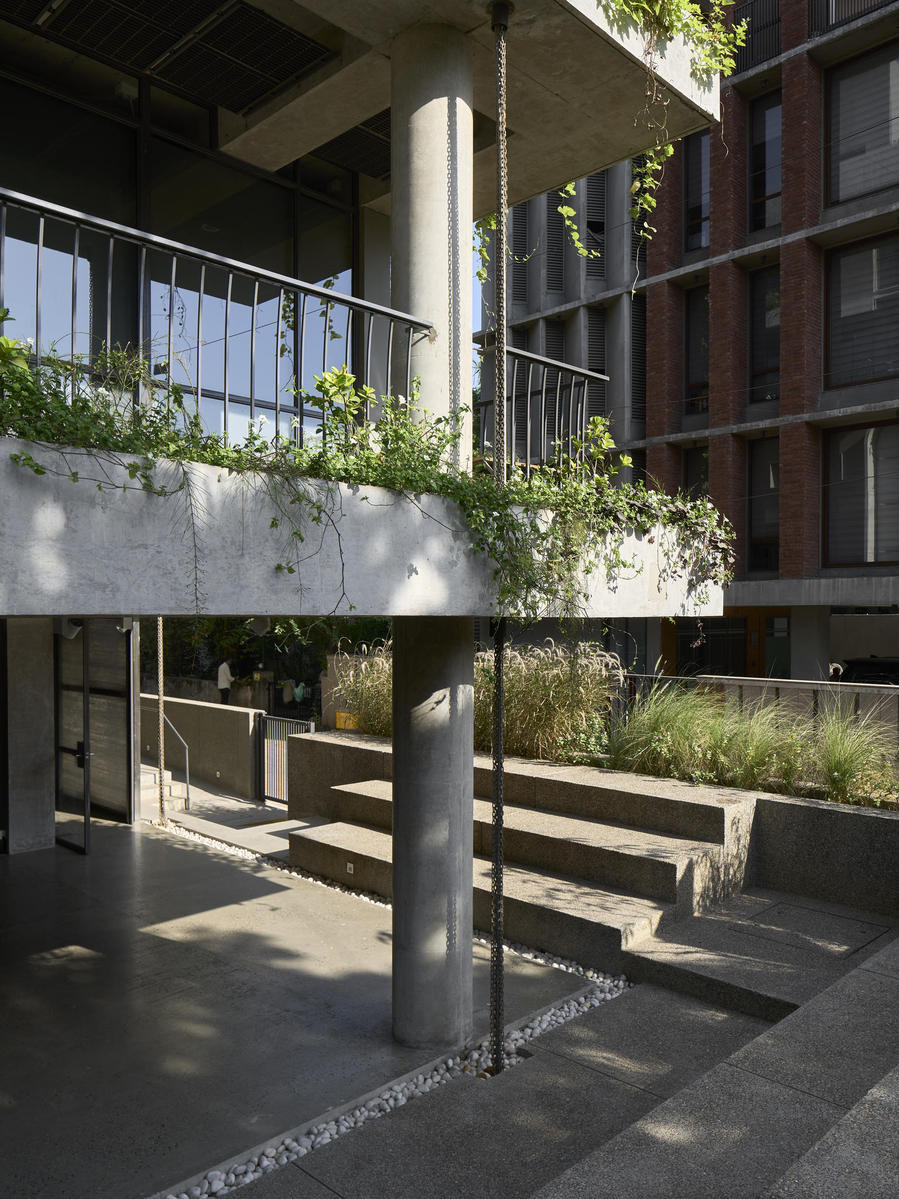
This project celebrates the unintended outcomes that arise when a building lives beyond its program.
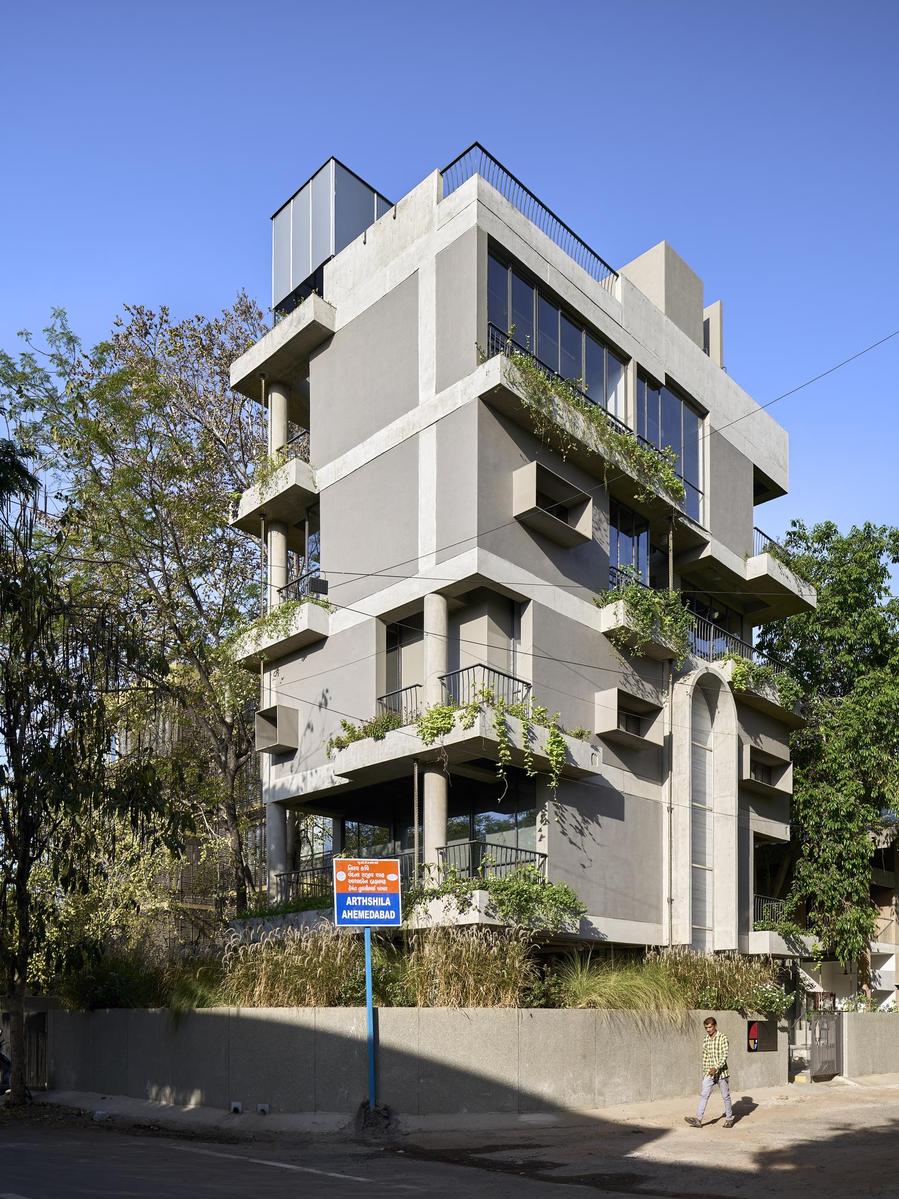
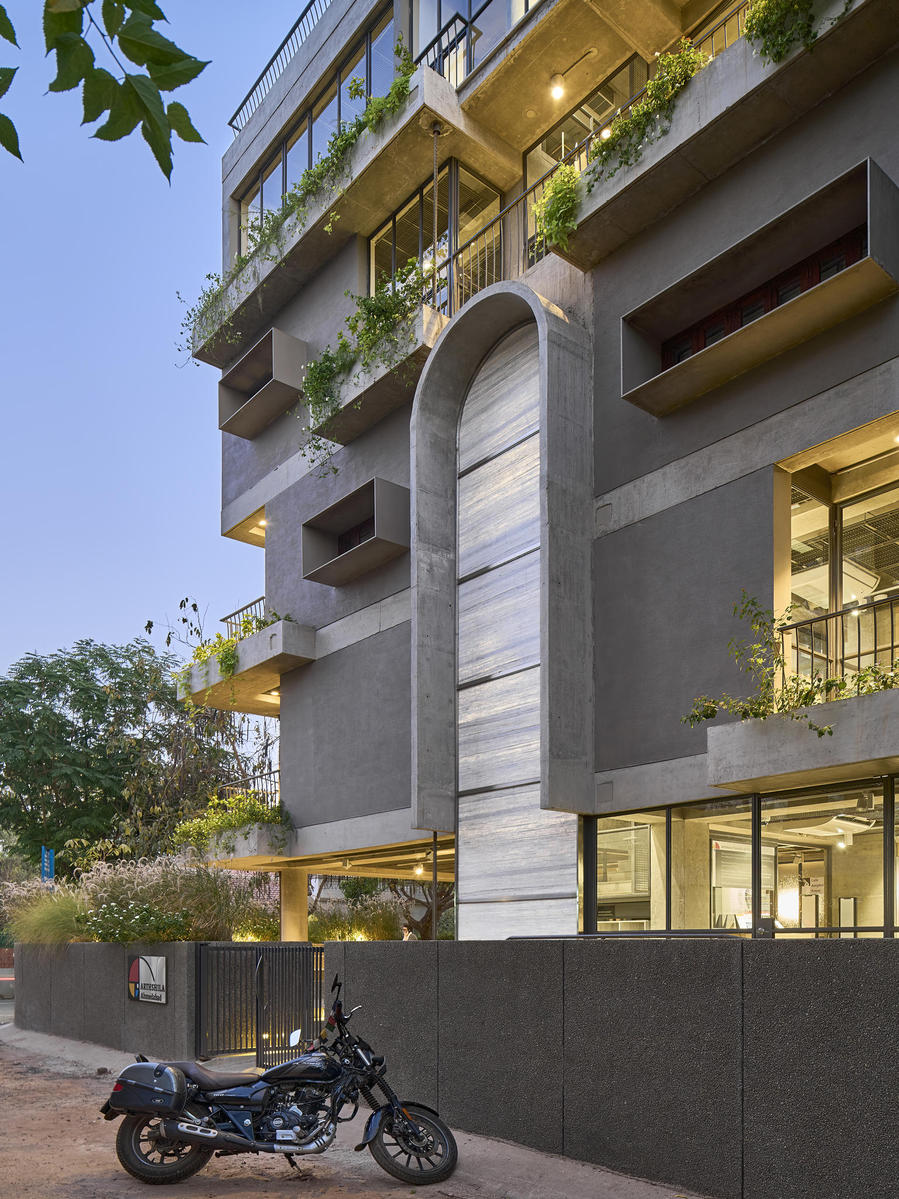
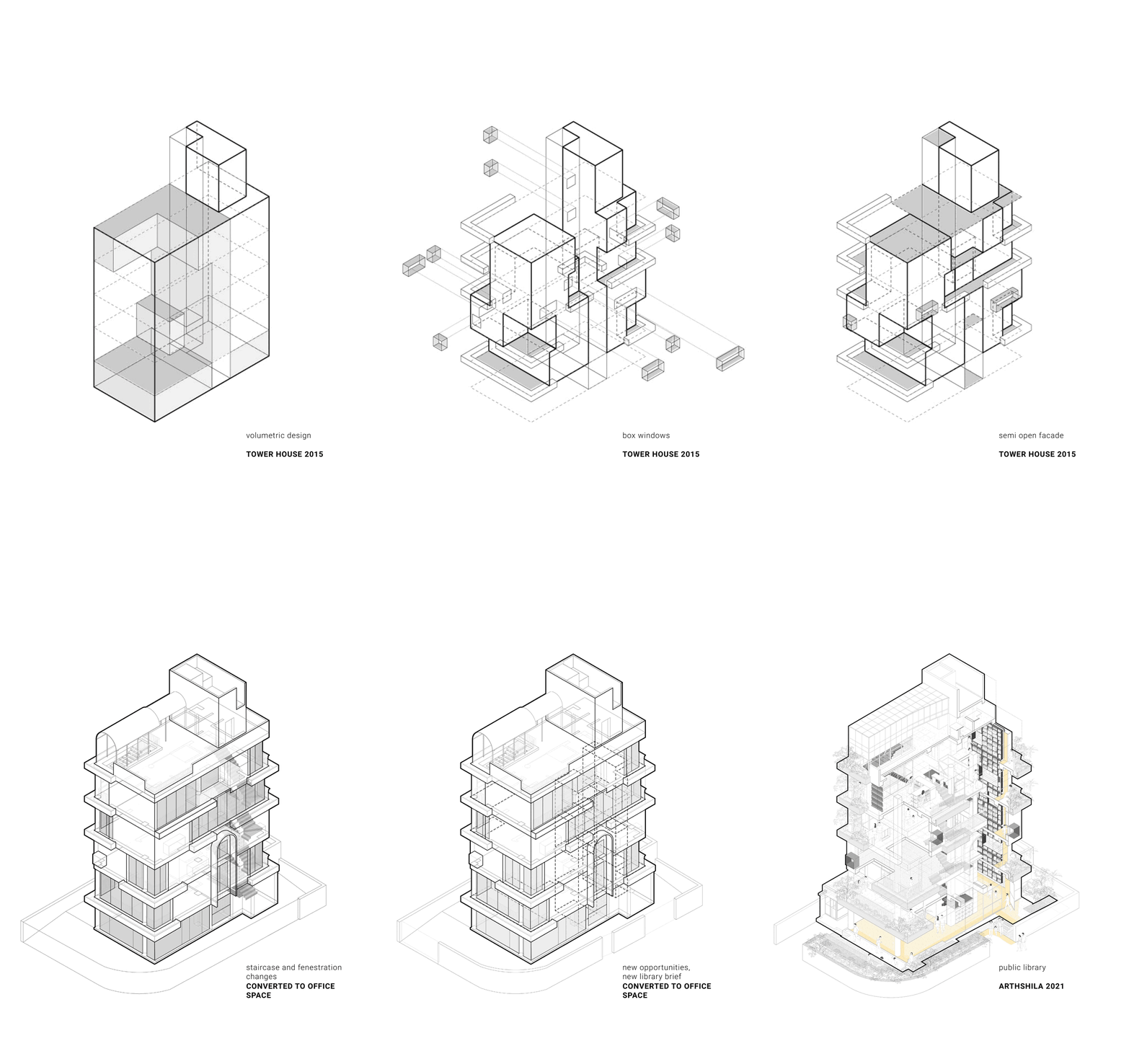
In 2014, the Tower House was an experiment in vertical living. A small plot in an area whose building height limits had recently risen, this five story bungalow leveraged the newfound air space, taking advantage of the benefits of moving vertically with efficiently organized services, views across the city, and potentials for both stack and cross ventilation. On a tiny floor plate, the design generated the experience of a house, with a diversity of spatial types throughout its section. A concrete frame provided the skeleton, while central vertical circulation allowed openings on all sides, and an outward looking entry to every room.
The building changed hands, and was converted from a multigenerational family home to a nuclear family residence, and then to an open plan office space.
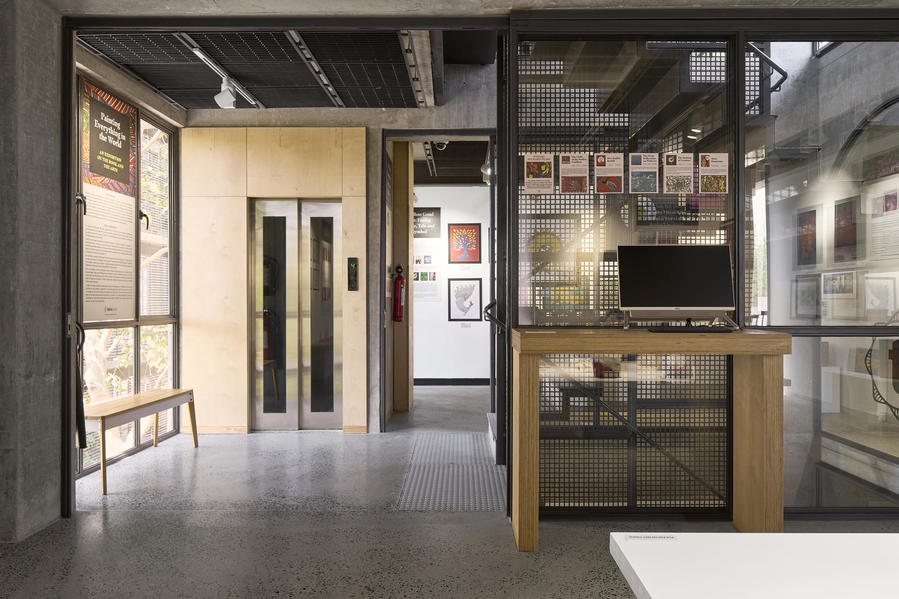
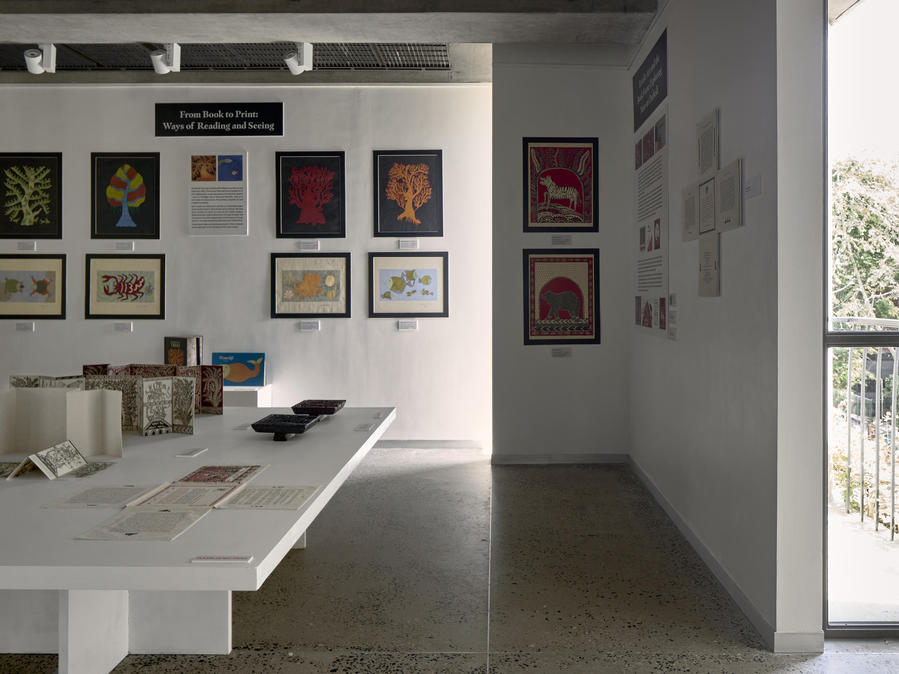
In 2021, it changed hands again, we were asked back to the project to recreate it as a library and design center, after the previous owner himself had made a series of modifications. We took the building as an artifact to be extended, and used the opportunity to rethink how the concrete frame, built to exploit code limits, could be applied to a new program.
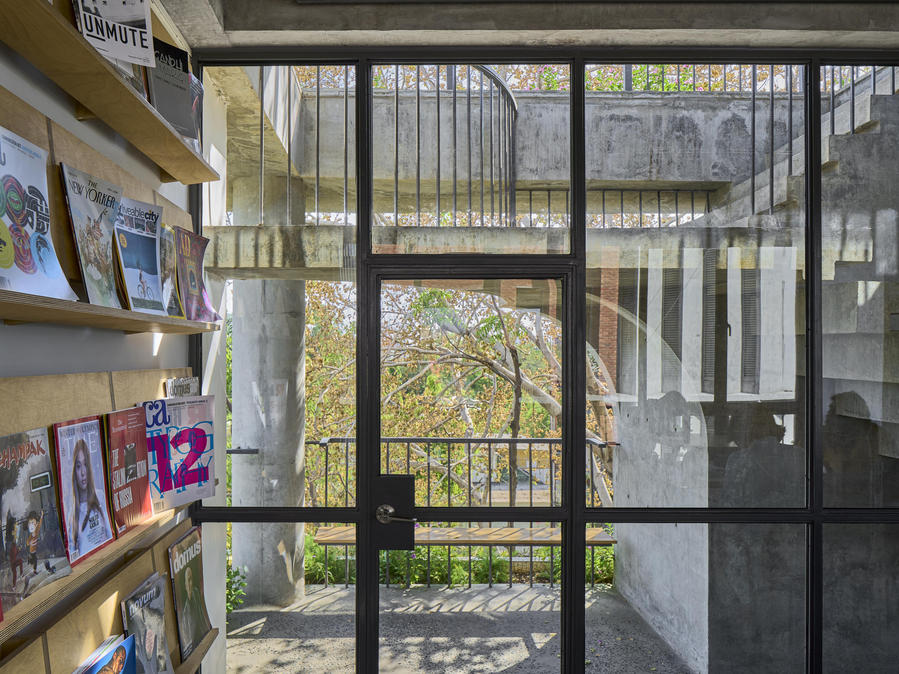
To shift from private to public, the ground floor is opened to a create a continuous, yet contained, public amphitheatre for outdoor events. The aggregate plaster used to finish them was created by crushing excess stone flooring we removed from the building. Public space moves up through a carefully inserted staircase that opens to public galleries on the second floor and library reading rooms on the third and fourth.
The public nature of the space is reinforced by a five-story cut in the slab – the building’s five story water-jet cut steel bookshelf has become its backbone, anchoring the shifting spaces on each floor. The depth of the bookshelf and a well-protected window creates a focused, intimate, seat within the shelf. The section of the building is literally visible through a glass cut adjacent the shelf - a response to the removal of an errant stairway, and an opportunity to tie together each floor with a bit of a thrill. The double frame steel negotiates the varied beam and surface levels while providing support for the cantilevered shelf.
The new building has a transformed fenestration system, which accommodates slight alterations in the enclosure. With small moments – the insertion of a terrace stair, the subtle extension of the fenestration – we play with accidental adjacencies and exploit unintended intersections. The facade wrapping balconies are moments to break with the logic of the vertical structure.
photo credit: Randhir Singh
Ahmedabad, Gujarat | 2020
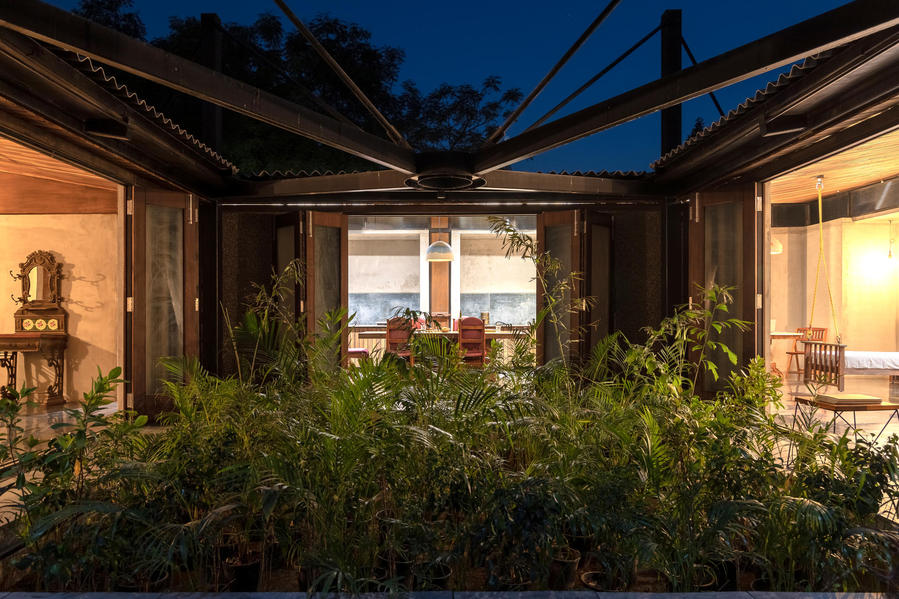
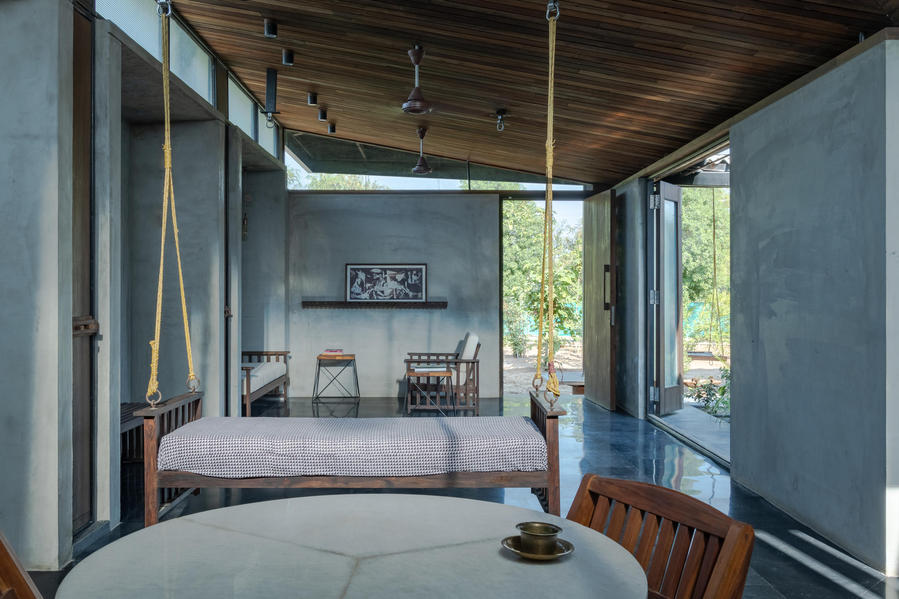
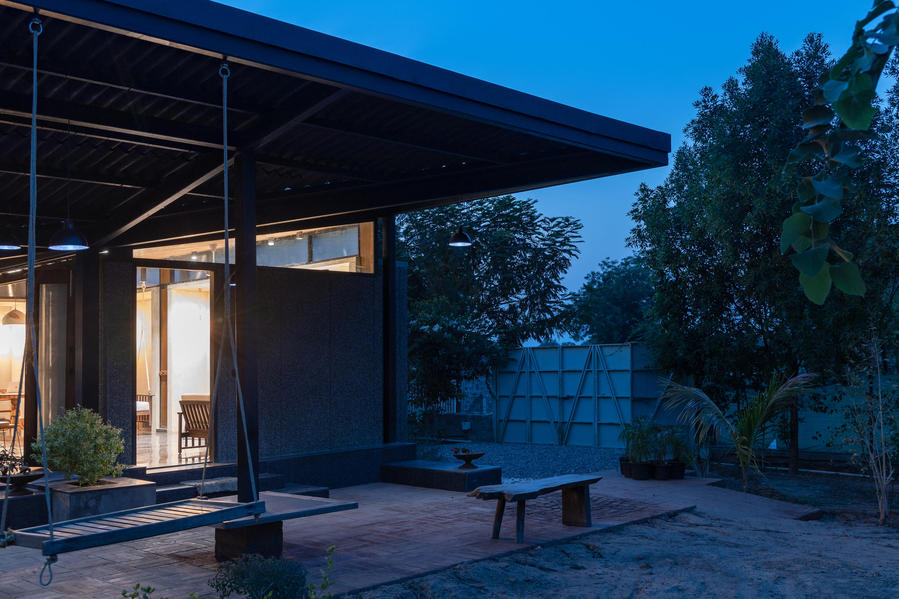
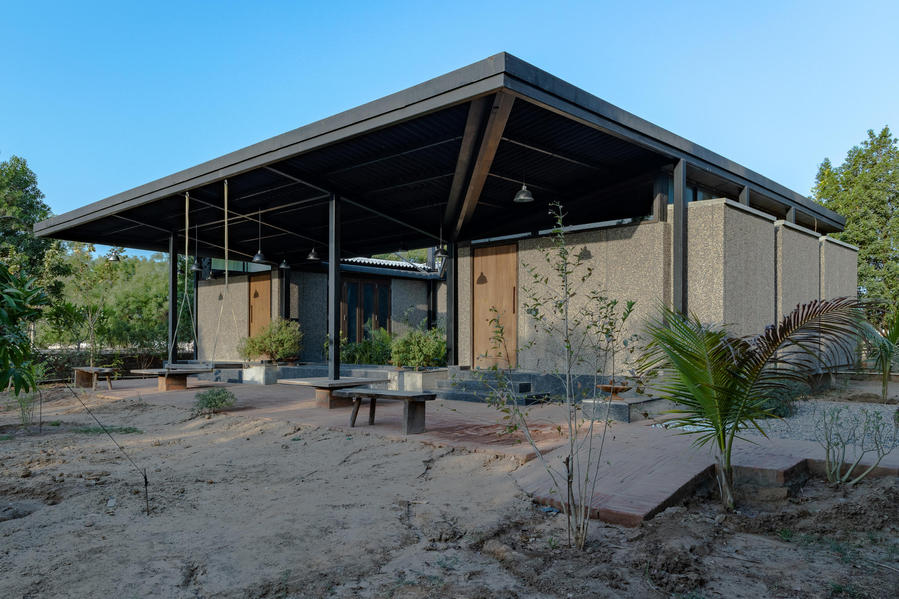
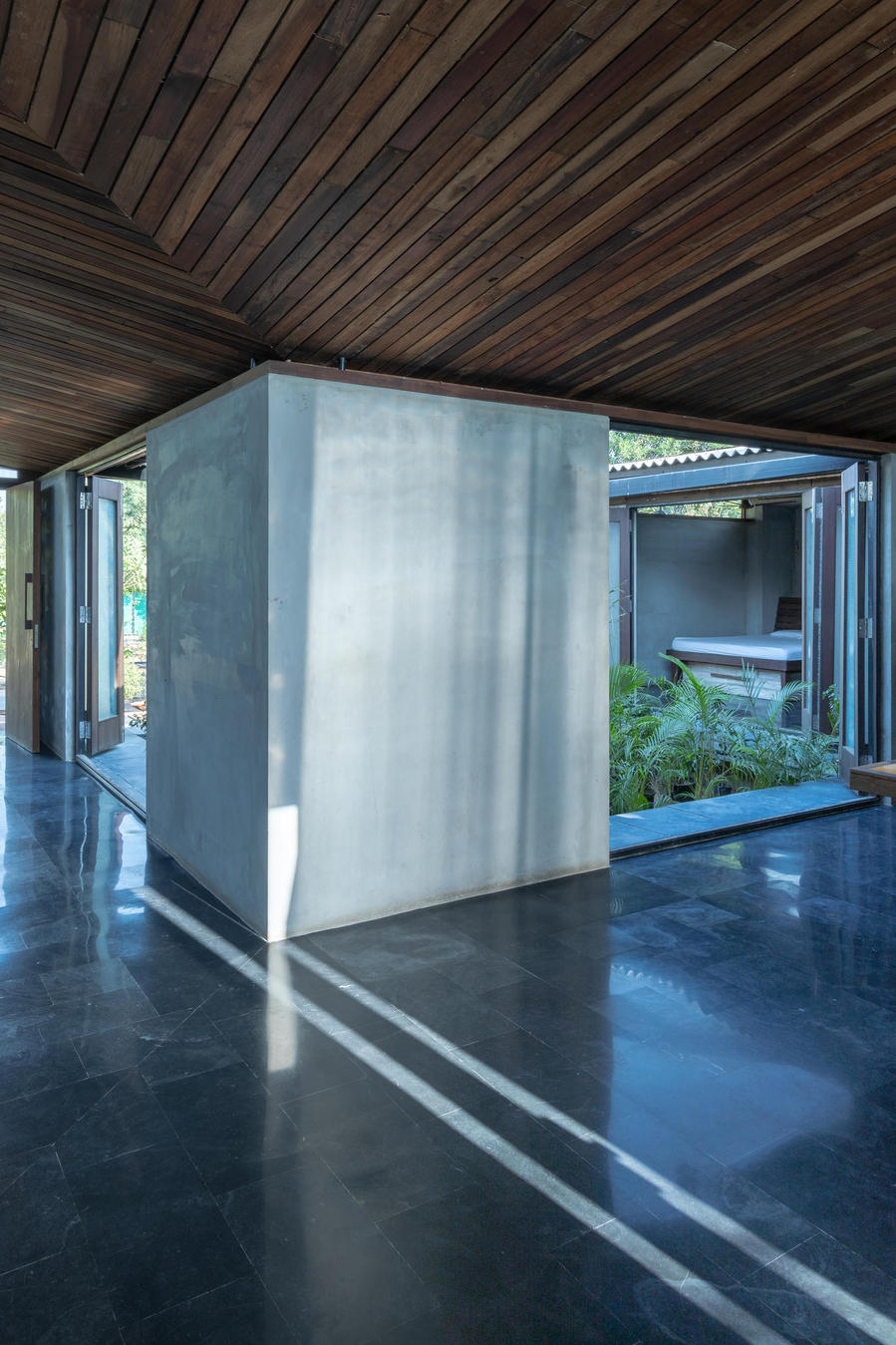
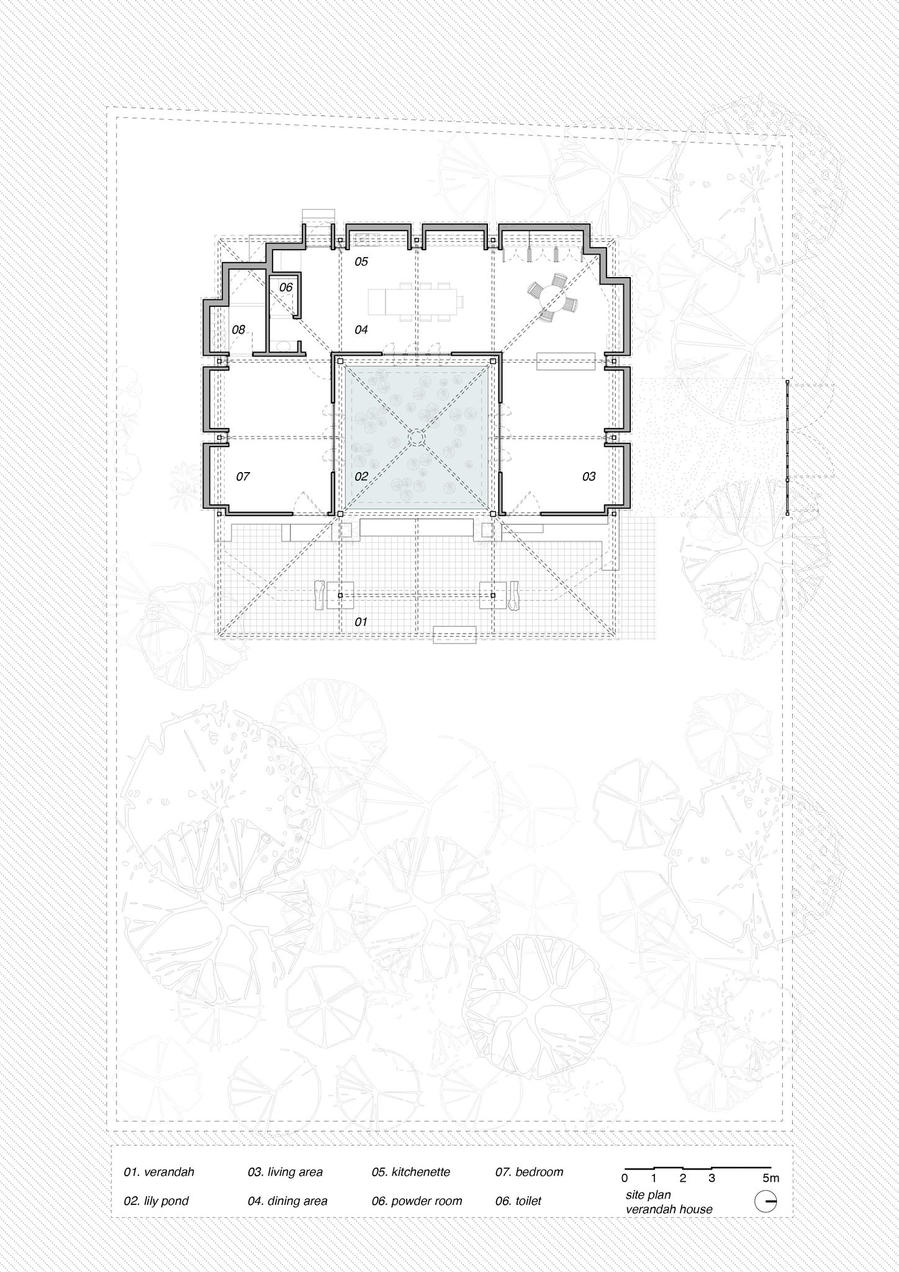
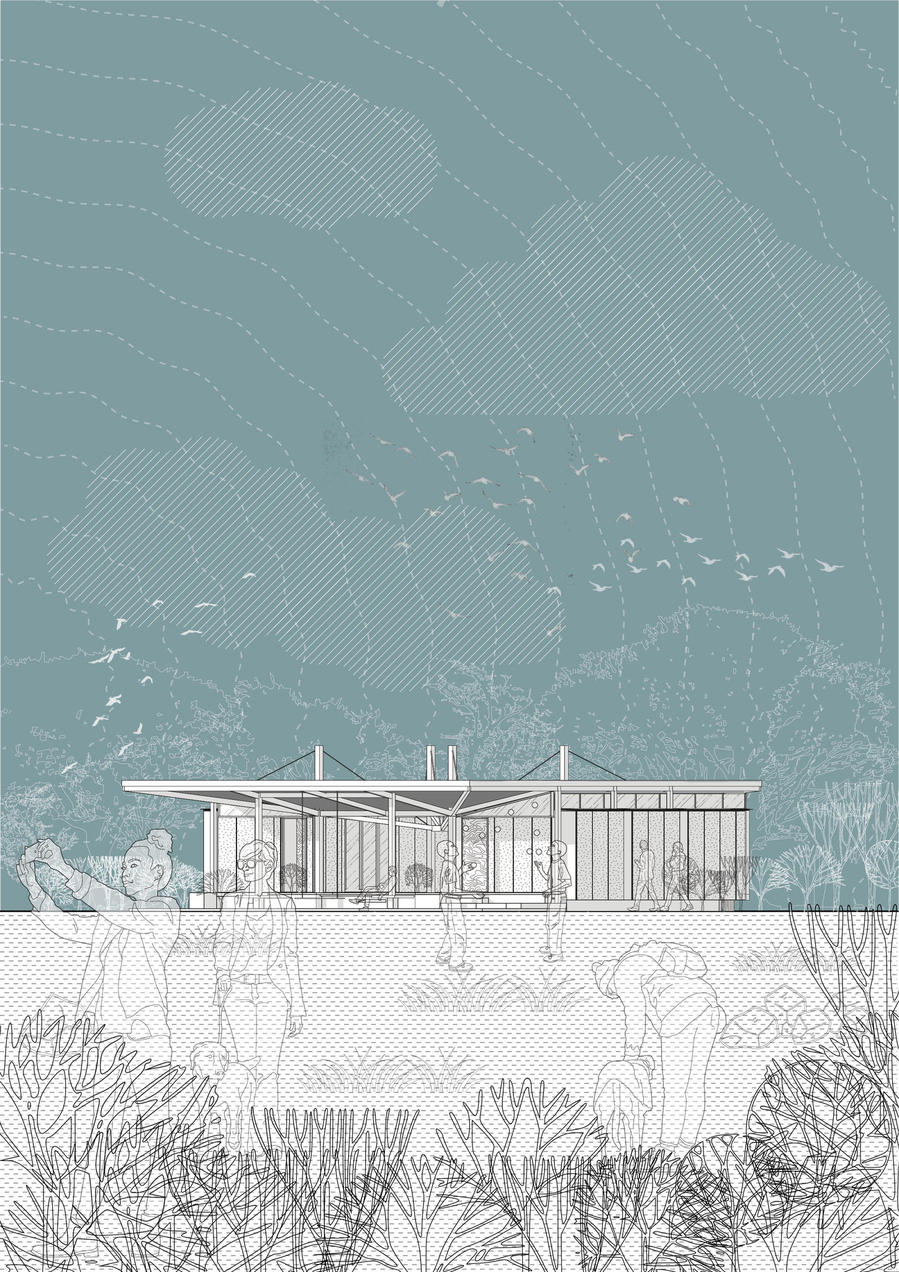
A delicately balanced weekend home in the outskirts of Ahmedabad provides respite from the limitations in the city. Located at the cusp of urbanization, its neighborhood of residential plots weaves between agricultural tracts, and birds from a nearby wetland drop in.
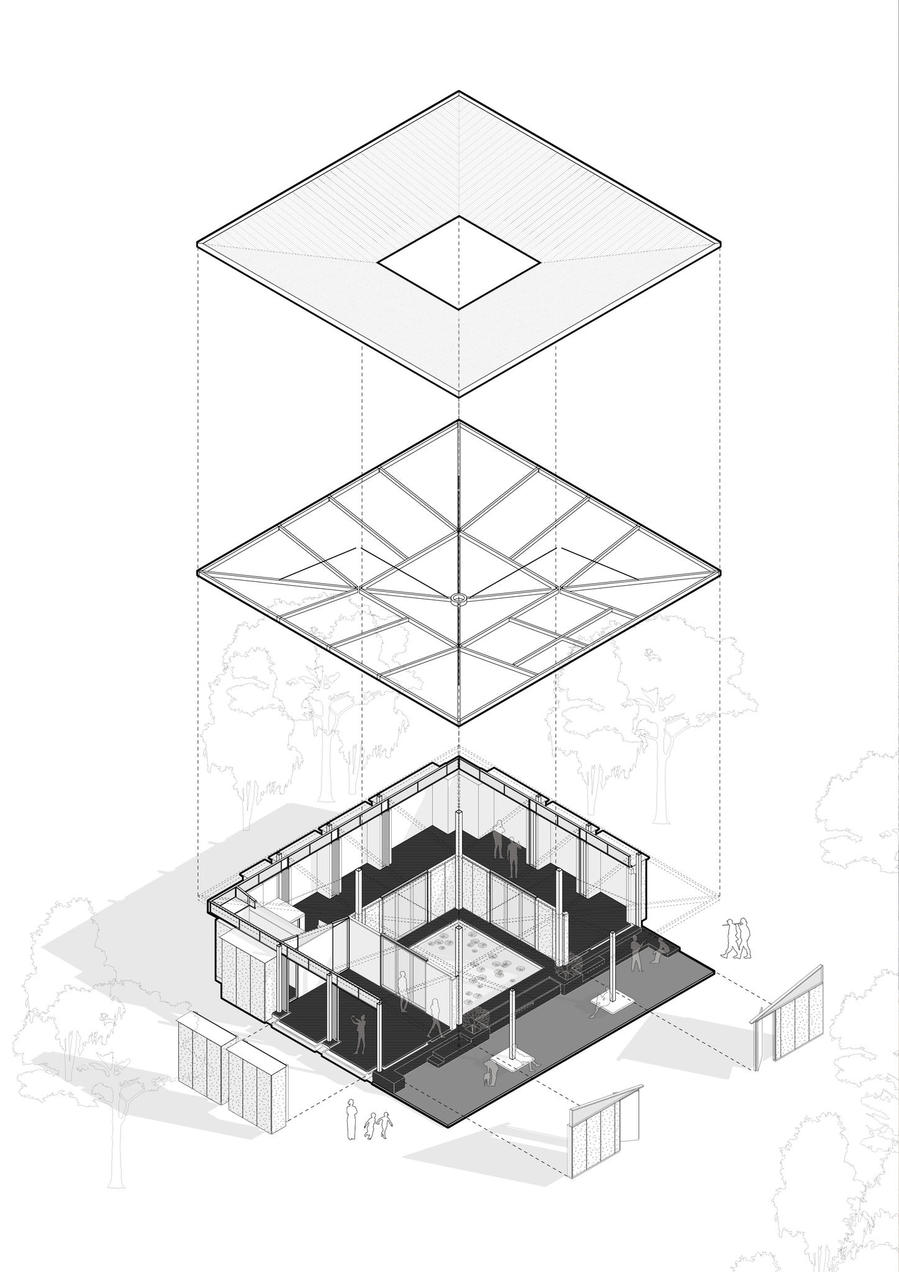
The house is perched on a plinth, and a light steel exoskeleton holds the roof, whose open courtyard cantilever is hung and tied from four tall masts. Living spaces surrounds three sides of a planted courtyard, opening onto it so that the whole house feels like one big verandah. Cozy corners are nestled inside boxes punctuating the perimeter, where carefully contained zone holds sofa, reading nook, and kitchen alike. The fourth side steps down into a small, young orchard, to create a living space that seamlessly moves between indoors and out.
The 127square meter structure has three prominent layers - a heavy plinth finished in polished kadappa stone, an MS exoskeleton framing the volume of the structure, and brick in-fill walls making the floating cabinets, finished in aggregate plaster. The sloping corrugated roof, the glazed doors, the brick paved variant veranda seating - all surround the central court. The house was constructed on a rapid schedule and built on the fly, largely from leftover site materials and unused prototypes. The client himself is a contractor, and the work a collaboration to use what he had available in ways that did not aestheticize repurposing, but rather seamlessly integrated it into the building system.